Michael Udoekpo's work brilliantly and pastorally discusses the issues of conflict, friction, and disunity in the worldand in Nigeria in particularfrom biblical, historical, and sociocultural perspectives.
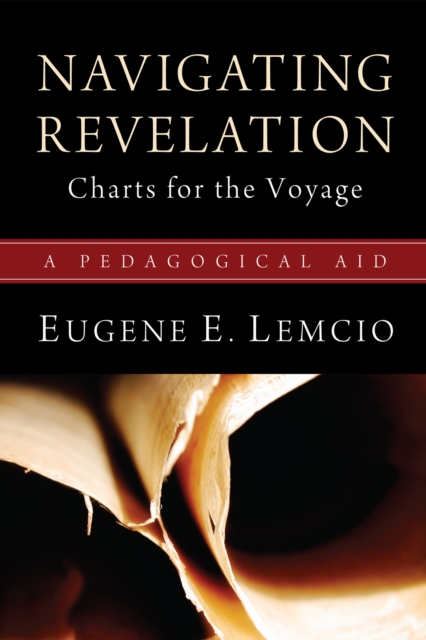
The strange Book of Revelation, written in about 95 AD, opens up a world in which Christian people were under threat from the Roman Empire; some were suffering for their faith.
Family physician Raymond Downing offers a bold critique of western medicine and sees medical care as one of the fallen "e;principalities and powers"e; in need of redemption.
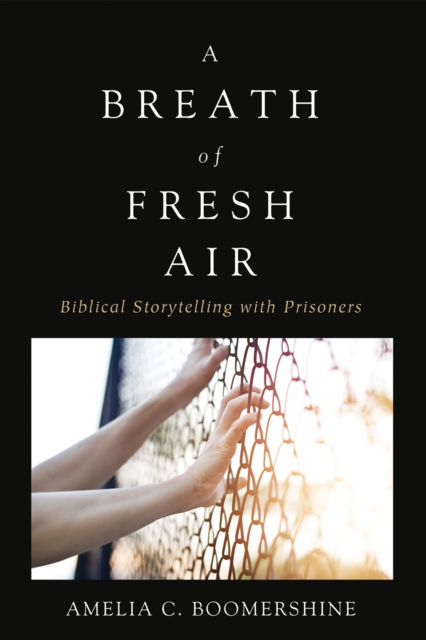
Breath of Fresh Air: Biblical Storytelling with Prisoners challenges the behemoth of mass incarceration through the convergence of biblical storytelling pedagogy, restorative justice principles, and peacemaking circle structure.
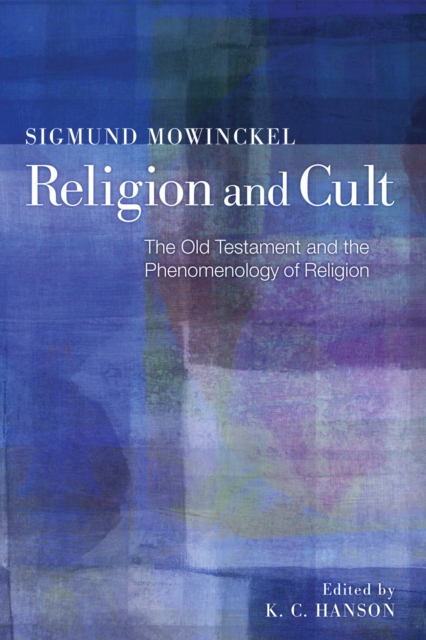
In this innovative work, Mowinckel employs the phenomenology of religion to investigate how religion was lived and experienced in ancient Israel and Judah.
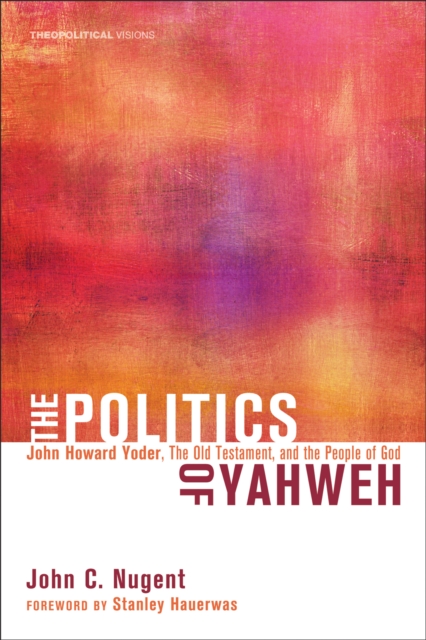
John Howard Yoder is most famous for arguing in The Politics of Jesus that a sound reading of the New Testament demonstrates the abiding relevance of Jesus to social ethics.
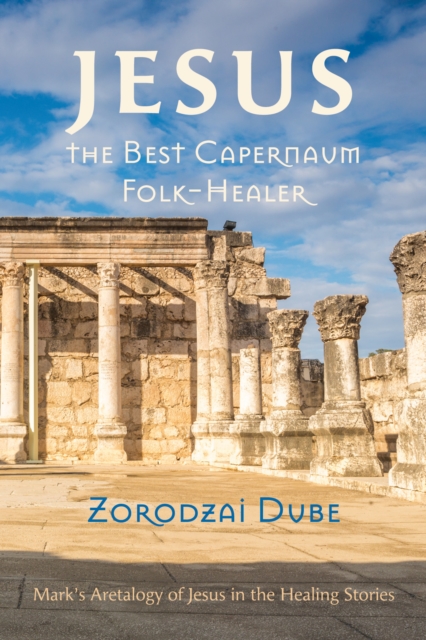
This book takes the established fields of orality, performance, and first-century Christian healthcare studies further by combining analogues of praise performances to Apollo, Asclepius, and those from the Dondo people of South Eastern Zimbabwe to propose that Jesus's healing stories in Mark's Gospel are praise-giving narratives to Jesus as the best folk healer within the region of Capernaum.
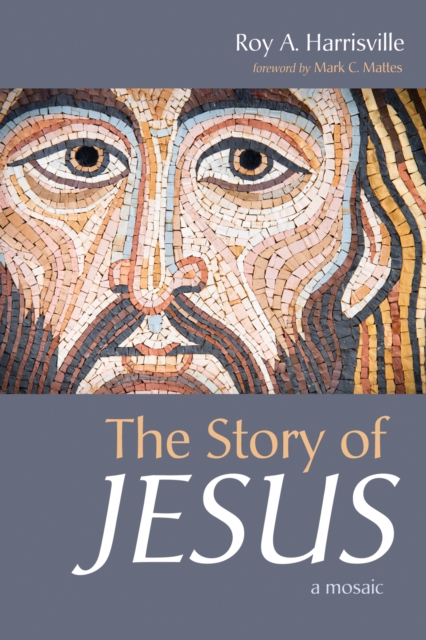
This book, written for college and seminary age students, is the distillation of reflection on the life and career of Jesus of Nazareth for over three decades.
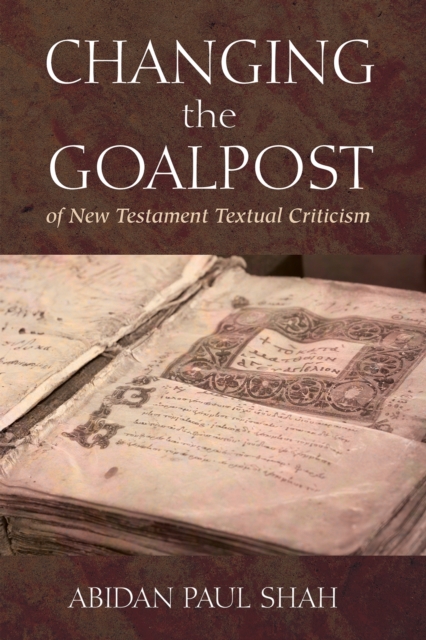
Although traditionally accepted by the church down through the centuries, the longer ending of Mark's Gospel (16:9-20) has been relegated by modern scholarship to the status of a later appendage.
This book, as a comprehensive analysis of the fate of Saul's heirs, shows that David, like other ancient Near Eastern usurpers, perpetrated heinous injustices against the vanquished house of Saul.
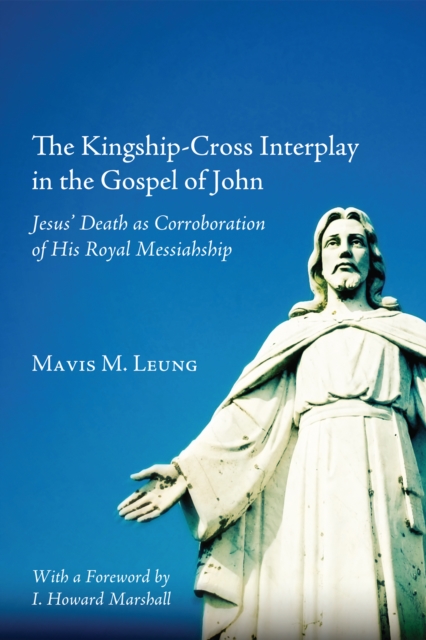
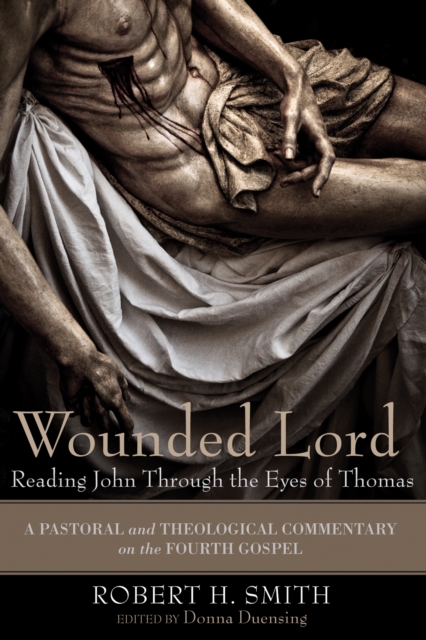
Recent studies of the Christology of John's Gospel have agreed in recognizing the centrality of the concept of messianism, but differ markedly in their interpretation of its character.
In this book, Matthew Aernie argues that Paul intentionally used forensic language, allusions, and idioms throughout 2 Thessalonians 1 in order to encourage the persecuted church to remain steadfast as they waited for their vindication at the final assize.
The Concept of Canonical Intertextuality and the Book of Daniel is an attempt to bring clarity to the concepts of intertextuality and canon criticism in the field of biblical studies.
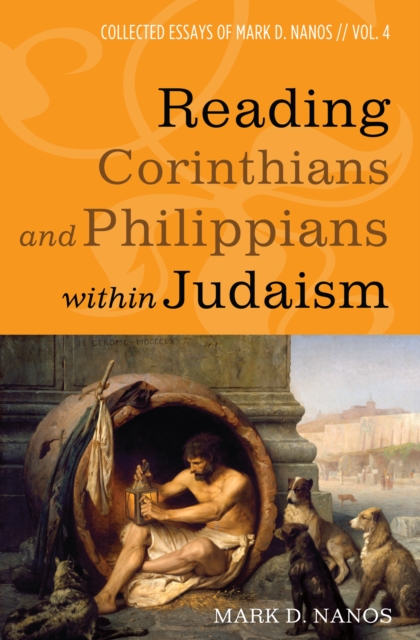
The troubles and ills of the church today can only be understood and healed when Christians begin to face up to their hidden alliances with the Corinthians of the first century and embrace both the Apostle's diagnosis and therapy offered in the epistle.
In his letter to the church in Galatia, the Apostle Paul addresses the inefficacy of religious tradition for salvation and reaffirms the completeness of Jesus Christ's redemptive work for our deliverance and righteousness.
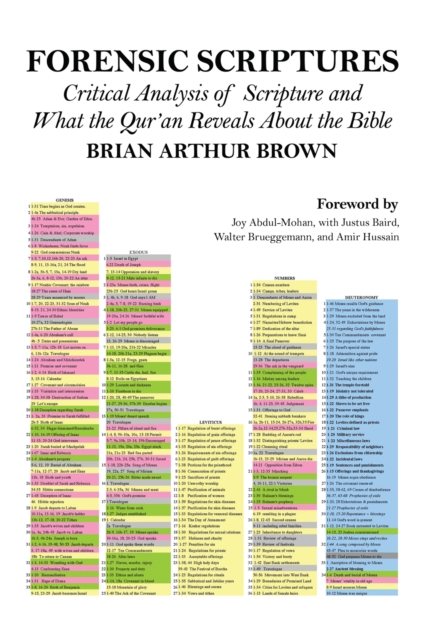
In Forensic Scriptures Brian Arthur Brown presents a long overdue Diagram of Sources of the Pentateuch from Hebrew Scriptures, a new perspective on authorship of the document known as "e;Q"e; in the Christian Scriptures, an acceptable entree into particular disciplines of scriptural criticism for Muslims, and an exciting new paradigm from Islam identifying the role women may have played in production of the Qur'an and the Bible.
When Jesus overturned the carts of the merchants in the temple, he was just the latest in a long line of people who decried the activities that took place there.
The commentary tradition regarding 1 Corinthians unanimously identifies the "e;weak"e; as Christ-followers whose faith was not yet sufficient to indulge in the eating of idol food with indifference, as if ideally Paul wanted them to become "e;strong"e; enough to do so.
Journal for the Evangelical Study of the Old Testament (JESOT) is a peer-reviewed journal devoted to the academic and evangelical study of the Old Testament.
Jesus was the descendant of sexually exploited women, narrowly survived a child homicide, and grew up to be the world's most prominent defender of children.
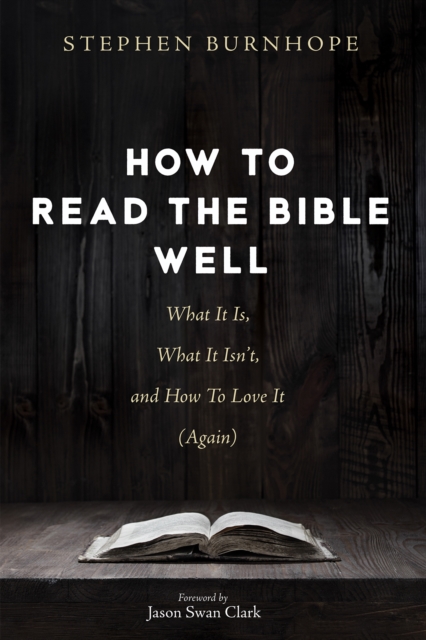
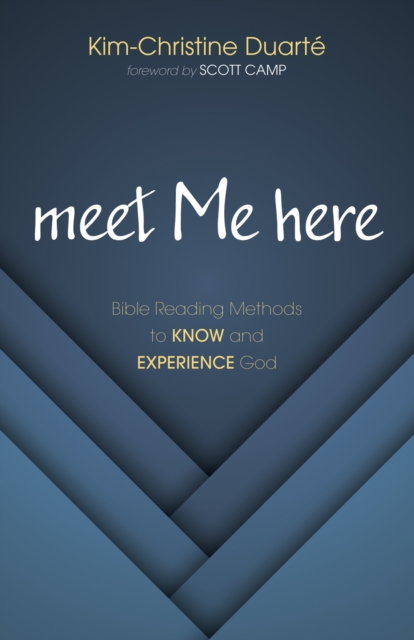
In easy-to-understand language, meet Me here shares three step-by-step Bible-reading approaches that will help you know how to better read, understand, and apply God's word.