Biblical narrative learning is a non-critical educational approach for Christian communities with diverse learning backgrounds, involving three sets of movement: inquire and invent, interpret and imagine-inspire, and imitate and impart.
This book is a collaboration between a biblical scholar (Mary Ann Beavis) and a practical theologian (HyeRan Kim-Cragg) who are concerned with the way that the Bible is portrayed and interpreted in popular culture, including but not limited to the movies.
The Old Testament prophets and their writings were hugely instrumental in the formation of the second temple eschatology, so an appreciation of the Old Testament prophetic literature greatly helps us in understanding the life and ministry of Jesus and the rationale of the early church.
As a dominant voice in our society, Western Christianity (including fundamentalism) is dying despite the growing tendency of people to identify as spiritual but not religious.
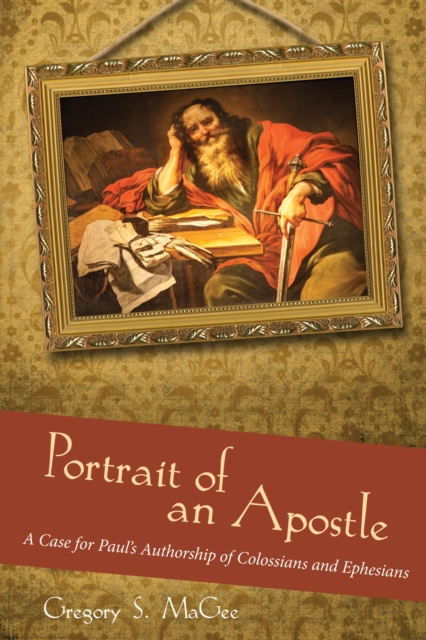
In Portrait of an Apostle Greg MaGee explores the claim that Colossians and Ephesians are works of forgery that use Paul's authoritative status to gain a hearing.
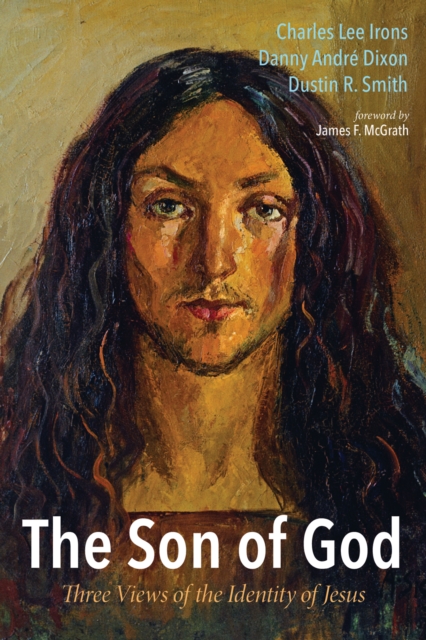
This is a multi-view book in which representatives of differing viewpoints make a positive statement of their case, followed by responses from the others, and concluding with a rebuttal by the original author.
The exciting New Inductive Study Series (more than 880,000 copies sold) was created by Kay Arthur for people who long to immerse themselves in God's Word but need a 15-minutes-a-day resource to match their busy lifestyles.
Atonement has been described as the central doctrine of Christianity and yet, surprisingly, the church has never insisted on a particular understanding of how redemption in Christ was achieved.
Adolescent girls are filled with passion, excitement, joy, critique, wit, and energy, even as they face and overcome a wide variety of difficult challenges.
Two Jews, Three Opinions examines a unique educational movement that began in 1980 when eight school leaders met to create RAVSAK: the Jewish Community Day School Network, an association of schools distinguished by being inclusive of all Jews in their communities.
The Sabbath-Lord's Day controversy exists because of a lack of faithful hermeneutics and attempts to validate denominational traditions with Scripture.
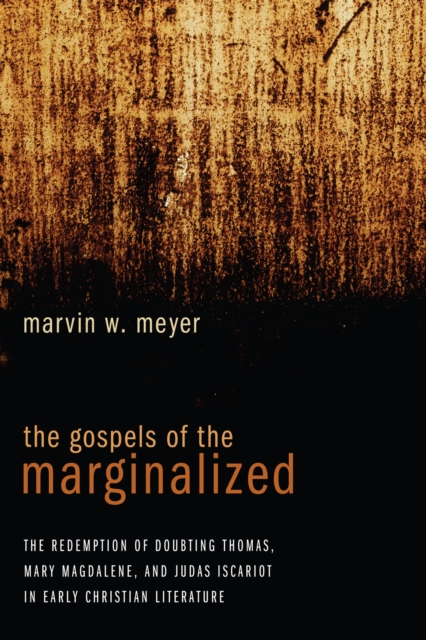
The Gospels of the Marginalized provides an exciting new study of three of the most maligned figures in the New Testament story of Jesus: Thomas, usually considered the quintessential doubter among the disciples; Mary Magdalene, characterized as a repentant prostitute during much of the history of the church; and Judas Iscariot, presented as the despicable disciple of Jesus who betrayed his master for money.
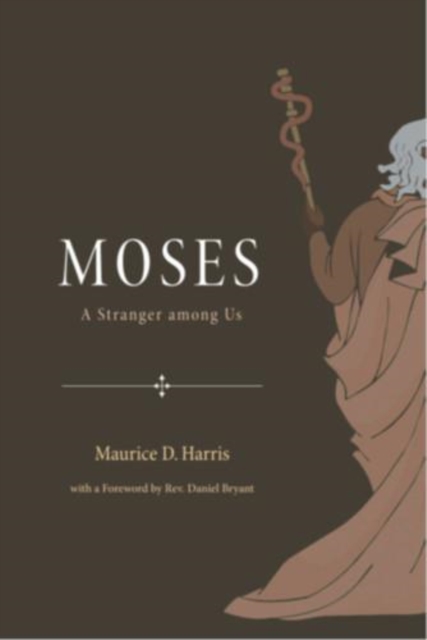
In Moses: A Stranger among Us, Rabbi Maurice Harris leads us to look beyond familiar and popular portrayals of Moses so that we can discover the Moses whose lesser-known attributes and experiences provide us with surprisingly fresh ethical and spiritual guidance.
In a public education world of vast, multiple, rapid, and often colliding educational reforms, Movements of Educational Reform provides the novice as well as the veteran educator and administrator a sort of map of educational changes and processes.
Analysis of the literary scheme of the letters to Timothy suggests that graphe, as it is employed in each letter, may legitimately be understood to include some of the apostolic writings that now appear in the New Testament.
This volume presents a tapestry of narratives in which the lived experiences of eight racially minoritized theologians and biblical scholars are woven together to present an interdisciplinary exploration of the direct impact that ethnocultural traditions have in shaping the way people read and interpret the biblical text.
Michael Udoekpo's work brilliantly and pastorally discusses the issues of conflict, friction, and disunity in the worldand in Nigeria in particularfrom biblical, historical, and sociocultural perspectives.
The strange Book of Revelation, written in about 95 AD, opens up a world in which Christian people were under threat from the Roman Empire; some were suffering for their faith.