Most New Testament scholars today agree that Jesus used an enigmatic self-designation, bar nasha ("e;the Son of Man"e;), translated into Greek as ho huios tou anthropou in the Synoptic Gospels.
Growing out of the work that the author did in preparing two major commentaries on Isaiah, these essays range from comprehensive to specific, and from popular to scholarly.
Based on linguistic and thematic links in the narrative, The Turning Point in the Gospel of Mark argues that the twin pericopae of Peter's confession (8:27-38) and the Transfiguration (9:2-13) together function as the turning point of the Gospel and serve in a Janus-like manner enabling the reader to see the author's main focus: the identity of Jesus and the significance of that reality for his disciples.
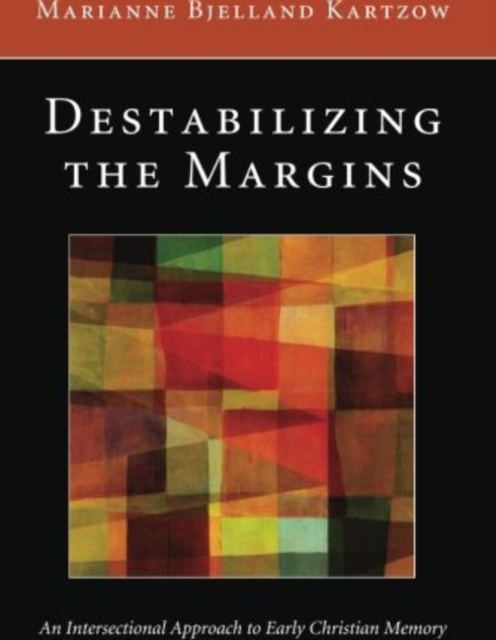
In this book Marianne Bjelland Kartzow suggests that ideas taken from recent discussions of multiple identities and intersectionality, combined with insights from memory theory, can renew our engagement with biblical texts.
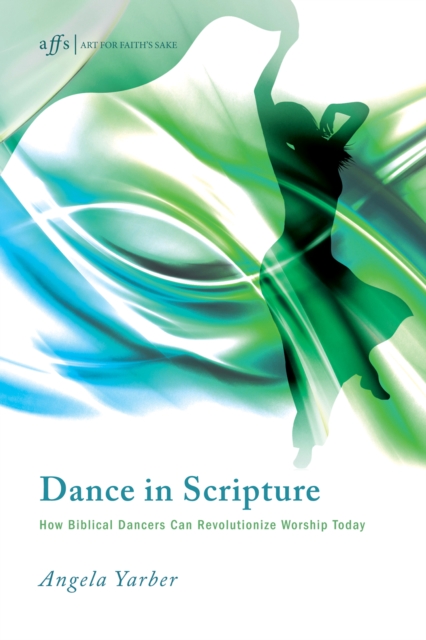
Dance in Scripture: How Biblical Dancers Can Revolutionize Worship Today examines the dances of seven biblical figures: Miriam, Jephthah's daughter, David, the Shulamite, Judith, Salome, and Jesus.
Here is a concise, inviting introduction to the greatest of the early Christian missionaries, the Apostle Paul--his life, his letters, his thinking--and the life-transforming gospel he proclaimed.
It is no surprise that the Bible is filled with stories of violence, having come into being through the crucible of trauma, cultural conflict, and warfare.
Identification of the Royal Psalms by Herman Gunkel indicates that the history and genre of the Royal Psalms must be distinguished from the Enthronement Psalms that are written to celebrate Yahweh's Kingship from those written to celebrate Davidic kingship.
This volume invites readers to walk in Israelite sandals, that is, to take a journey of the imagination, and to immerse themselves in the identity, values, and institutions of first-century CE Israelites with the help of contemporary social-scientific studies and theories.
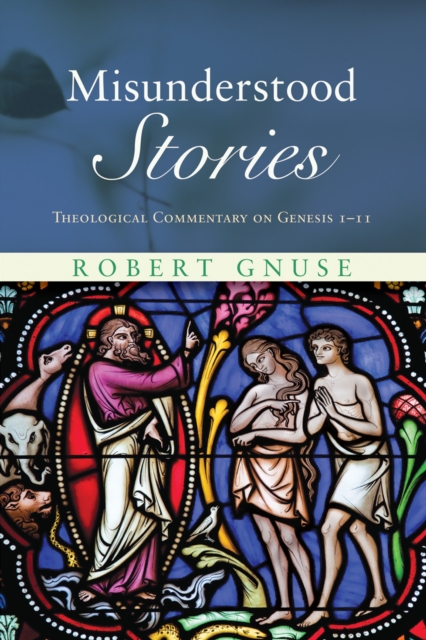
Narratives in Genesis 1-11 have been misunderstood in many ways, but they especially have been used to oppress women and African Americans and to present a God of wrath and judgment.
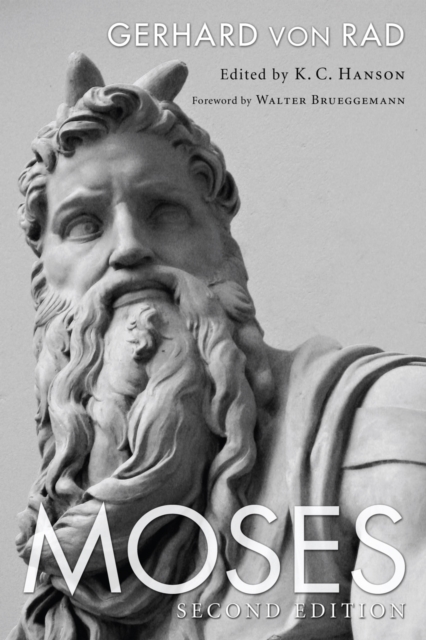
In this new edition of Gerhard von Rad's classic work on the Moses traditions, the reader is provided with a more polished text, cross-references to von Rad's other works, an updated bibliography, Scripture index, and a new foreword by Walter Brueggemann.
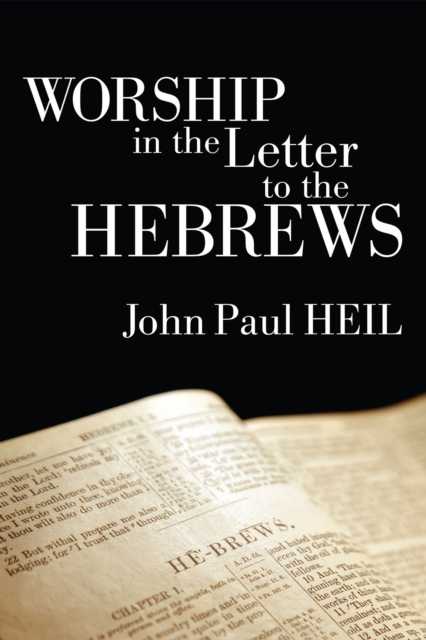
This book seeks a more comprehensive understanding and appreciation for the Letter to the Hebrews by examining it from the viewpoint of its prominent theme of worship.
The premise of Why Christians Should Not Tithe is simple: God, having freed his people from the Law through faith in Jesus Christ, does not place on them a burden from the Law.
The desert wanderings of the Chosen People-and the spiritual lessons and encouragement they offer to us today-come alive in scripture teacher Sonja Corbitt's five-week Bible study on the Exodus account.
Recent events in the United States have demonstrated the urgent need not only to discuss issues of racism in this country but to move toward meaningful antiracist work.
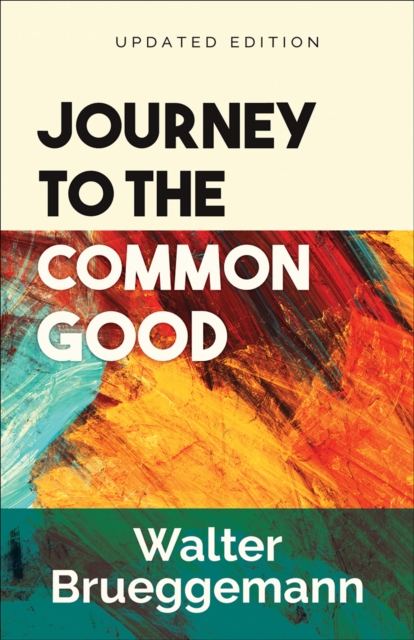
A decade ago, Walter Brueggemann called the church to journey together for the good of our community through neighborliness, covenanting, and reconstruction.
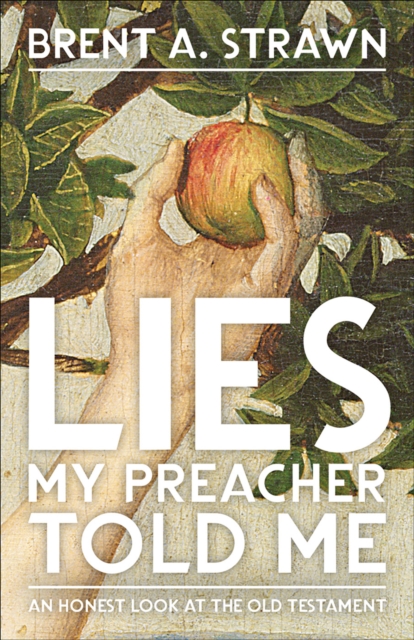
In this concise volume, Brent Strawn addresses ten common "e;lies"e; or mistruths about the Old Testament, from perceptions of God's personality (the "e;angry Old Testament God"e;) to the relevance of the Old Testament for Christians.
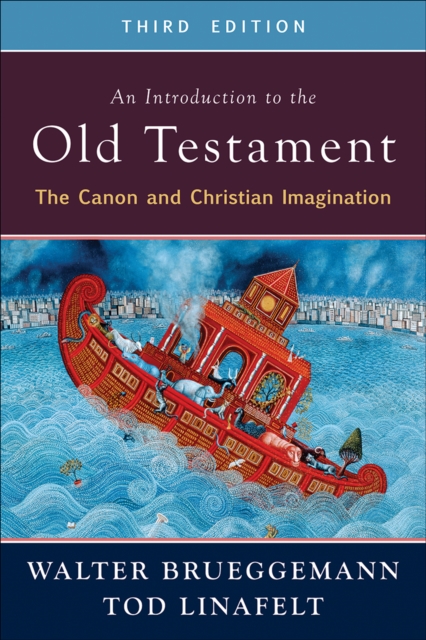
In this updated edition of the popular textbook An Introduction to the Old Testament, Walter Brueggemann and Tod Linafelt introduce the reader to the broad theological scope of the Old Testament, treating some of the most important issues and methods in contemporary biblical interpretation.
In this volume, Ralph Korner argues that John's extensive social identification with Judaism(s), Jewishness, and Jewish institutions does not reflect a literary program of replacing Israel with the ekklesiai ("e;churches"e;/"e;assemblies"e;), that is the Jewish and non-Jewish followers of Jesus as Israel's Messiah.
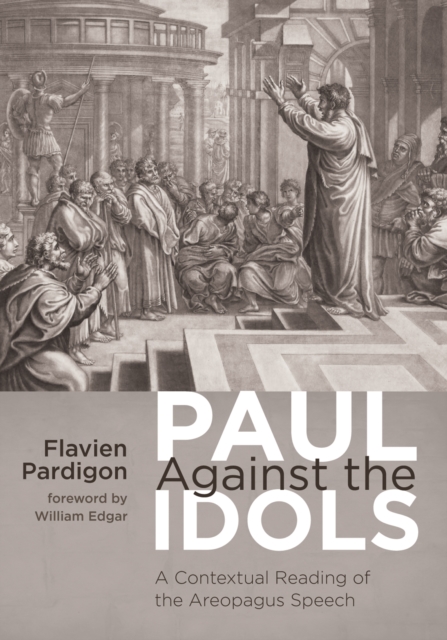
The story of Paul's visit to the city of Athens with its speech delivered before the Areopagus council is one of the best-known and most-celebrated passages of the Acts of the Apostles.