While this new Bible is certainly an inclusive-language translation, it is much more: it is a re-imagining of the scriptures and our relationship to them.
From the Preface:"e;The principal thrust of this book is to challenge the compartmentalization to which we seem all too easily resigned, to discover whether, and to what extent, the methods of modern scholarship can become part and parcel of the study of Torah, conceived as a religious-intellectual way of life.
A comprehensive and accessible guide to the Hebrew BibleThis book brings together some of the world's most exciting scholars from across a variety of disciplines to provide a concise and accessible guide to the Hebrew Bible.
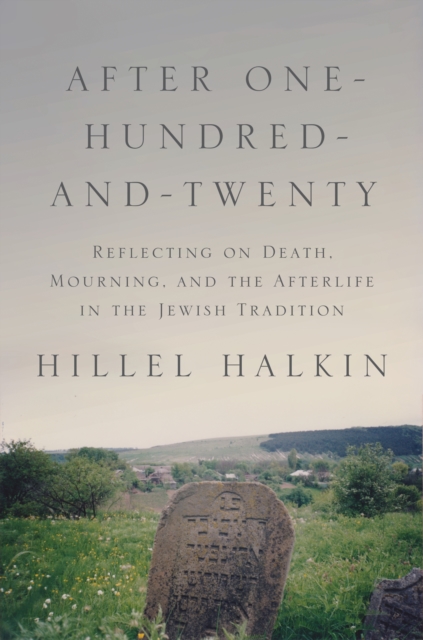
A deeply personal look at death, mourning, and the afterlife in Jewish traditionAfter One-Hundred-and-Twenty provides a richly nuanced and deeply personal look at Jewish attitudes and practices regarding death, mourning, and the afterlife as they have existed and evolved from biblical times to today.
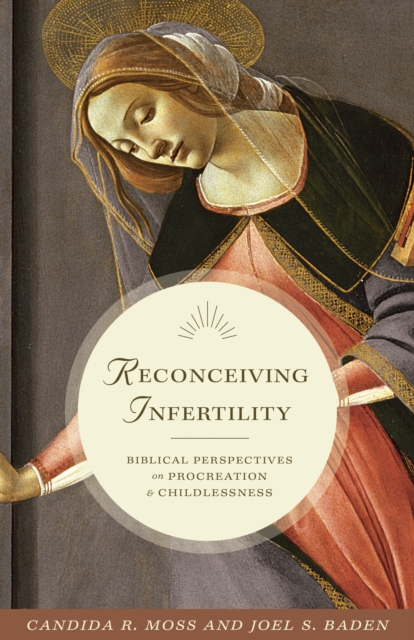
A more complete picture of how procreation and childlessness are depicted in the BibleIn the Book of Genesis, the first words God speaks to humanity are "e;Be fruitful and multiply.
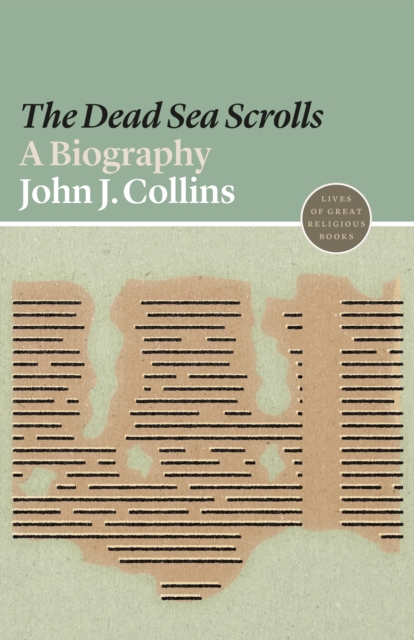
Unraveling the controversies surrounding the Dead Sea ScrollsSince they were first discovered in the caves at Qumran in 1947, the Dead Sea Scrolls have aroused more fascination-and more controversy-than perhaps any other archaeological find.
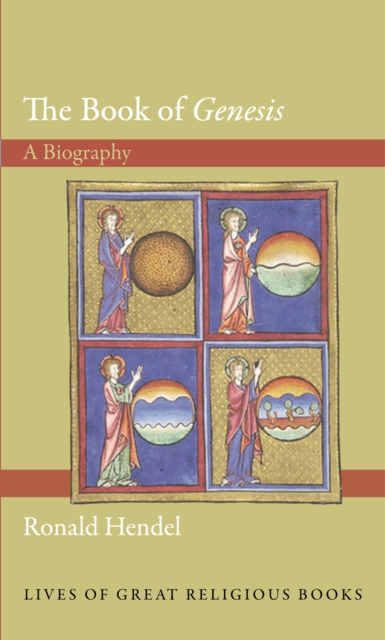
An essential biography of one of the Bible's most influential booksDuring its 2,500-year life, the book of Genesis has been the keystone to almost every important claim about reality, humanity, and God in Judaism and Christianity.
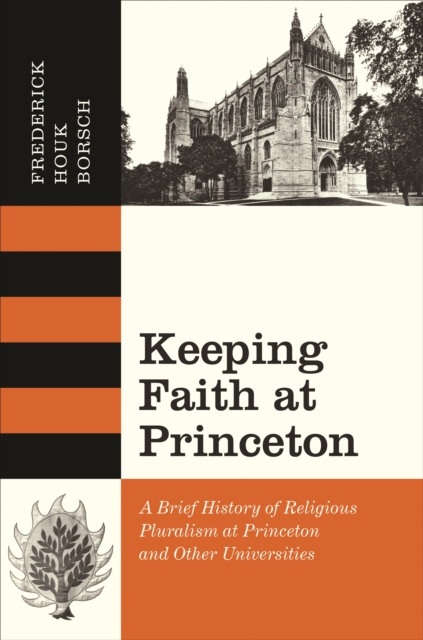
An inside look at how religious diversity came to PrincetonIn 1981, Frederick Houk Borsch returned to Princeton University, his alma mater, to serve as dean of the chapel at the Ivy League school.
Recent interest in the person and work of James of Jerusalem and in the community he led has sometimes put the apostle Paul in a negative light—a reversal of the more usual pattern in Protestantism, where Paul is the shining light and James is thrust into the shadows.
Sound, practical exposition of EcclesiastesThe John Phillips Commentary Series is designed to provide pastors, Sunday school teachers, and students of the Scripture with doctrinally sound interpretation that emphasizes hands-on application of Bible truth.
The essays presented here represent over twenty-five years of thinking about the theology and life of the Apostle Paul who, as a "e;slave of Jesus Christ"e; (Rom 1:1), was a "e;servant of the new covenant"e; with a "e;ministry of the Spirit"e; (2 Cor 3:6, 8).
Matters pertaining to our Lord's second coming, heaven, hell, and associated topics are often set aside by Christians, sometimes for very understandable reasons.
The Gospel of Matthew opens with a patrilineal genealogy of Jesus that intriguingly includes five women: Tamar, Rahab, Ruth, "e;she of Uriah,"e; and Mary.
Since the rise of the "e;New Homiletic"e; a generation ago, it has been recognized that sermons not only say something to listeners, they also do something.
This book is a commentary on the Acts of the Apostles for the nonspecialist, based on lecture notes accumulated over many years of Professor Mel Storm's introductory course on Acts.
In Glory, Grace, and Truth, Alexander Tsutserov argues that three concepts of the revelation of God as Jesus are unfolded throughout the Gospel of John in terms of a ratification of the covenant of the presence of God.
An examination of the Hebrew Scriptures reveals the ethical situations in ancient Israel as a structural analysis, and exposes a covenantal triangle that features a dynamic of giving and receiving, taking and paying penalties, as a meme for human relationships.