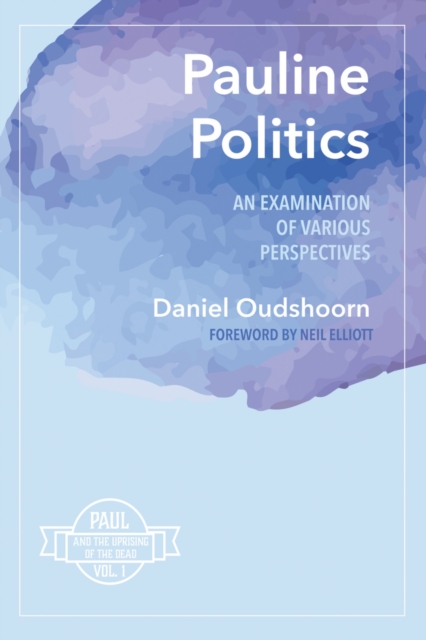
Rather than viewing the Apostle Paul's many references to peace and non-retaliation as generalized ethical principles drawn from Paul's background, Jeremy Gabrielson argues that peace and non-retaliation should be understood in relation to Paul's biography of being a violent persecutor of Jesus' followers.
Jesus was a Jew, living in a Jewish culture and under Jewish laws, laws that governed the people of Israel at a time of conflict with their Roman overlords.
In this book, Nicholas Haydock explores the biblical presentation of the Levitical priesthood, drawing out themes that run throughout Scripture and reveal God's intention for the priesthood.
In order to reconcile the discrepancies between ancient and modern cosmology, confessional scholars from every viewpoint on the interpretation of the early chapters of Genesis agree that God accommodated language to finite human understanding.
In Agnostic at the Altar, former Catholic priest and psychologist John Van Hagen engages the voices of the ancient Jewish prophets in an effort to find something of a universal voice that speaks to all people.
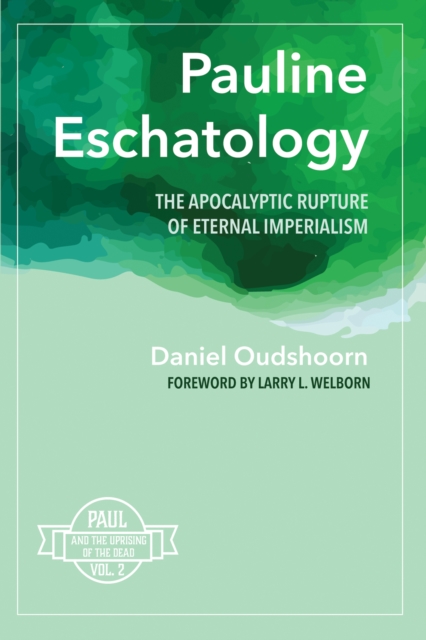
Building on the themes established in the first two volumes of Paul and the Uprising of the Dead, Pauline Solidarity explores: (a) how the Pauline faction transforms relationships within the household unit in the new transnational family of God; (b) how dominant cultural conceptions of honor are rejected in the embrace of shame in the company of the crucified; (c) how vertical practices of patronage are replaced with a horizontal sibling-based political economy of grace; and (d) how the gospel of the Caesars is overcome by the lawlessness of the good news that is being assembled in an uprising of life among the left for dead.
When seeking to understand what Paul and his coworkers were trying to accomplish, it is no longer possible to ignore Graeco-Roman cultural, economic, political, and religious beliefs and practices.
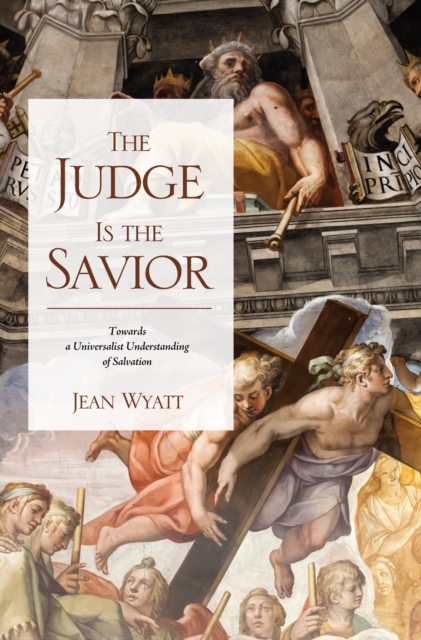
This is a book Jean Wyatt felt compelled to write, as she has for many years wrestled with questions surrounding the love and the justice of God, his salvation and judgment through Jesus Christ, and the effect of our response (or lack of response) to that salvation.
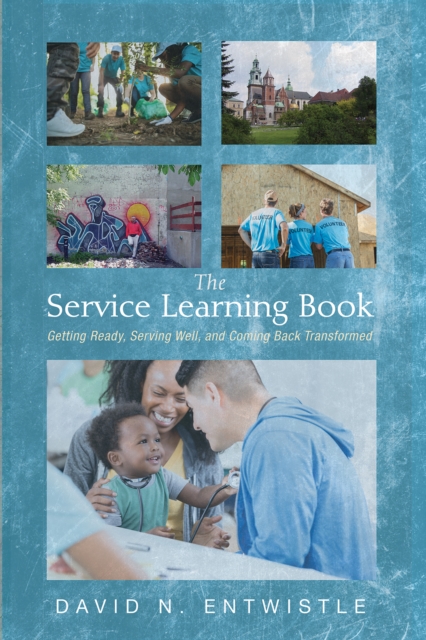
Service learning teams and short-term mission opportunities have incredible potential to help participants stretch their faith, to help others, and gain a bigger picture of what God is doing in the world.
In this highly readable and engaging commentary on the Gospel of Luke, Diane Chen introduces her readers to the particularities of the world of Jesus, steeped in Jewish history and convictions yet threatened by Roman power and hegemony.
People have used the Bible for a variety of purposes over the course of the past two thousand years; unfortunately, many of those uses have reinforced power structures and systems that oppress and dominate those without privilege.
Drawing upon over fifty years of scholarly experience of one of the most industrious contemporary scholars, this work, which was first published in 1975, has been revised, updated, and expanded to offer a fresh, in-depth introduction to the New Testament for today's students.
This work is dedicated to David Alan Black, a New Testament scholar who has contributed to the love of the Koine Greek language as it pertains to New Testament studies in numerous ways--as a professor, author, missionary, and editor.
Early literary man learned that free speech and free labor were frequently suppressed or obliterated by powerful governments in the Near Eastern world.
In Revelation 21-22, John offered a resplendent portrayal of a new Jerusalem without a temple, in which he seemed to reference the final chapters of Ezekiel.
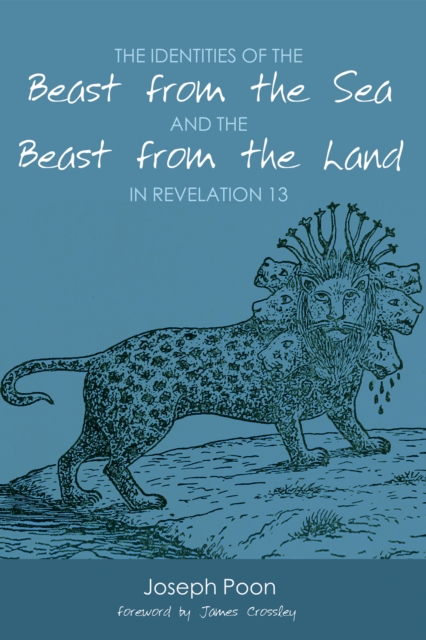
This book aims to identify the beast from the sea and the beast from the land in Revelation 13 by studying their unique link together with the dragon in Revelation 12: the land beast is subordinate to the sea beast, which in turn is subordinate to the dragon.