Building on the themes established in the first two volumes of Paul and the Uprising of the Dead, Pauline Solidarity explores: (a) how the Pauline faction transforms relationships within the household unit in the new transnational family of God; (b) how dominant cultural conceptions of honor are rejected in the embrace of shame in the company of the crucified; (c) how vertical practices of patronage are replaced with a horizontal sibling-based political economy of grace; and (d) how the gospel of the Caesars is overcome by the lawlessness of the good news that is being assembled in an uprising of life among the left for dead.
When seeking to understand what Paul and his coworkers were trying to accomplish, it is no longer possible to ignore Graeco-Roman cultural, economic, political, and religious beliefs and practices.
This is a book Jean Wyatt felt compelled to write, as she has for many years wrestled with questions surrounding the love and the justice of God, his salvation and judgment through Jesus Christ, and the effect of our response (or lack of response) to that salvation.
In this highly readable and engaging commentary on the Gospel of Luke, Diane Chen introduces her readers to the particularities of the world of Jesus, steeped in Jewish history and convictions yet threatened by Roman power and hegemony.
People have used the Bible for a variety of purposes over the course of the past two thousand years; unfortunately, many of those uses have reinforced power structures and systems that oppress and dominate those without privilege.
Drawing upon over fifty years of scholarly experience of one of the most industrious contemporary scholars, this work, which was first published in 1975, has been revised, updated, and expanded to offer a fresh, in-depth introduction to the New Testament for today's students.
This work is dedicated to David Alan Black, a New Testament scholar who has contributed to the love of the Koine Greek language as it pertains to New Testament studies in numerous ways--as a professor, author, missionary, and editor.
Early literary man learned that free speech and free labor were frequently suppressed or obliterated by powerful governments in the Near Eastern world.
In Revelation 21-22, John offered a resplendent portrayal of a new Jerusalem without a temple, in which he seemed to reference the final chapters of Ezekiel.
This book aims to identify the beast from the sea and the beast from the land in Revelation 13 by studying their unique link together with the dragon in Revelation 12: the land beast is subordinate to the sea beast, which in turn is subordinate to the dragon.
Readers of the Gospels are typically attuned to the words of Jesus while paying comparatively little attention to what other characters in the narratives say about him.
Intuitive logical thinking would suggest that Revelation should be:One biblically coherent and complete narration,That uses only natural and biblical symbols,To retell God's consistent work from beginning to end;That reveals Jesus and his resurrection as the focus;To call for decisive response from every person,For the creation which God loves and will glorify;To close God's written oracle to humankind.
In Jeremiah and God's Plans of Well-being, Barbara Green explores the prophet Jeremiah as a literary persona of the biblical book through seven periods of his prophetic ministry, focusing on the concerns and circumstances that shaped his struggles.
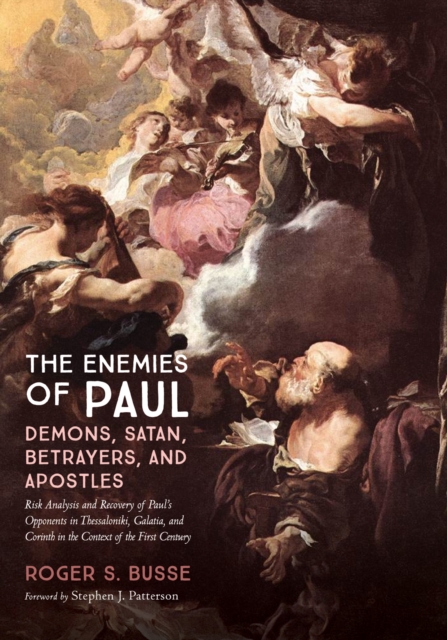
Paul's conflict with viscous enemies, human and otherwise, led him to employ efficacious powers, charismata (charismatic powers), and controversial and sometimes illegal practices that are only coherent when placed in context of the first century Hellenistic-Roman world.
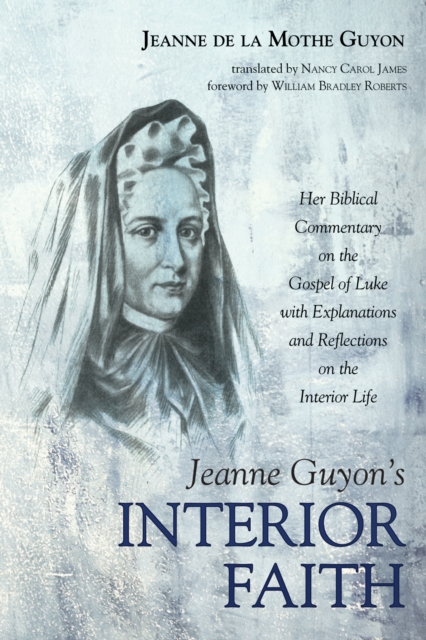
In seventeenth-century France, Jeanne Guyon wrote about God, "e;I loved him, and I burned with his fire because I loved him, and I loved him in such a way that I could love only him, but in loving him I had no motive save himself.
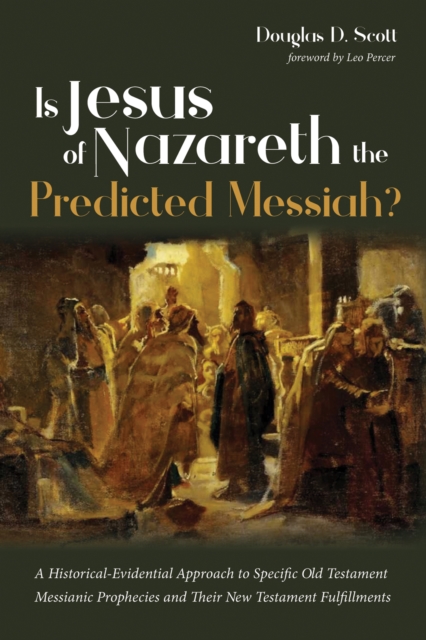
Christians in general--and preachers of prophecy in particular--attribute the fulfillment of hundreds of Old Testament messianic prophecies to Jesus of Nazareth.
Although the object of centuries of study, only relatively recently has Genesis 1-11 been analyzed with attention to its literary unity and theological purpose.
The language of perfection crops up regularly in the Bible, from Noah ("e;a just man and perfect in his generations,"e; KJV) to Jesus ("e;be perfect, therefore, as your heavenly father is perfect,"e; NRSV).
The long history of interpretation of the three Johannine letters has been largely characterized, at least since Irenaeus in the late second century, by the assumption that the Elder was addressing the Gnostic heresy.
Drawing on recent scholarship on the Pauline tradition within early Christianity, this book examines Paul's theology of baptism and highlights its practical application in ministry today.
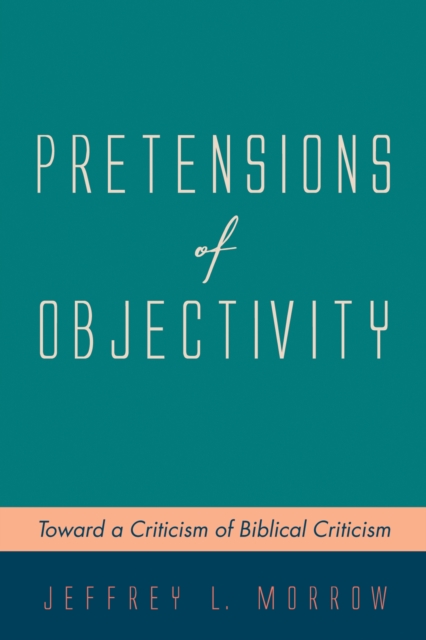
Modern historical biblical criticism, while having many strengths, often operates under the pretensions of objectivity, as if such scholarship were neutral and disinterested.