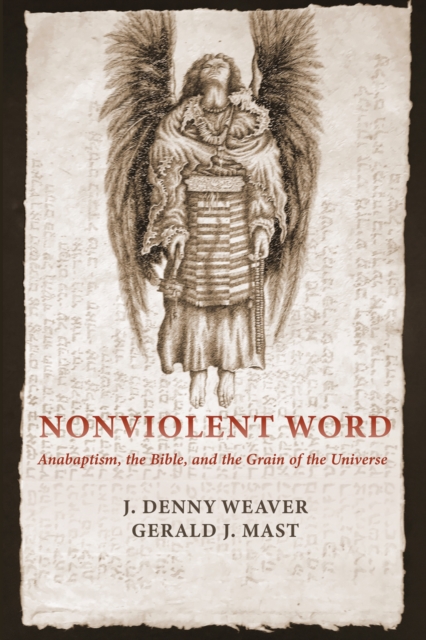
This book displays how the nonviolent Word of God made visible in Jesus Christ is expressed in the contemporary idiom of the peaceable grain of the universe.
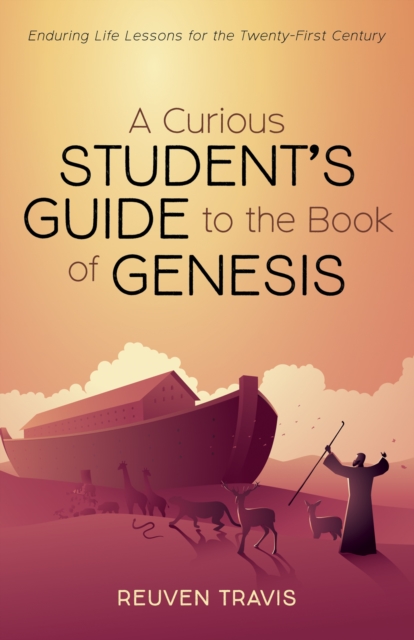
Genesis contains a rich, nuanced text, and yet, when taught to children, it is often done through a series of "e;factoids,"e; such as the number of animals brought into the ark or Esau's red lentil soup.
Idolatry in the Pentateuch addresses both the manner in which the Pentateuch was produced and how theological intentions can be discerned from the texts that constitute it.
Among the numerous sets of conferences that Thomas Merton presented during his decade (1955-1965) as novice master at the Cistercian Abbey of Gethsemani are the two courses included in the present volume, a thorough examination of the book of Genesis that began in mid-1956 and concluded on the Feast of Pentecost, 1957, and a considerably less detailed series of classes on the book of Exodus from 1957-1958.
In an age in which scholars continue to produce books on the nature and significance of Jesus's death, books that often assume the Old Testament cult was the New Testament authors' primary background for their conception of Jesus's death, Jarvis J.
Compelling perspectives on the Gospel of John from a premiere scholar of the subjectThis multidimensional volume from the leading American scholar of Johannine studies brings together D.
Rather than viewing the Apostle Paul's many references to peace and non-retaliation as generalized ethical principles drawn from Paul's background, Jeremy Gabrielson argues that peace and non-retaliation should be understood in relation to Paul's biography of being a violent persecutor of Jesus' followers.
Jesus was a Jew, living in a Jewish culture and under Jewish laws, laws that governed the people of Israel at a time of conflict with their Roman overlords.
In this book, Nicholas Haydock explores the biblical presentation of the Levitical priesthood, drawing out themes that run throughout Scripture and reveal God's intention for the priesthood.
In order to reconcile the discrepancies between ancient and modern cosmology, confessional scholars from every viewpoint on the interpretation of the early chapters of Genesis agree that God accommodated language to finite human understanding.
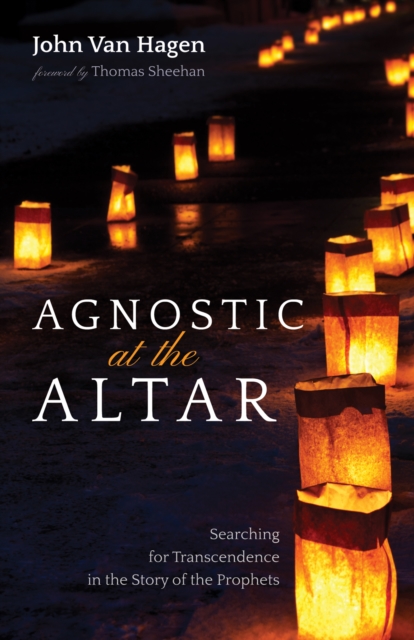
In Agnostic at the Altar, former Catholic priest and psychologist John Van Hagen engages the voices of the ancient Jewish prophets in an effort to find something of a universal voice that speaks to all people.
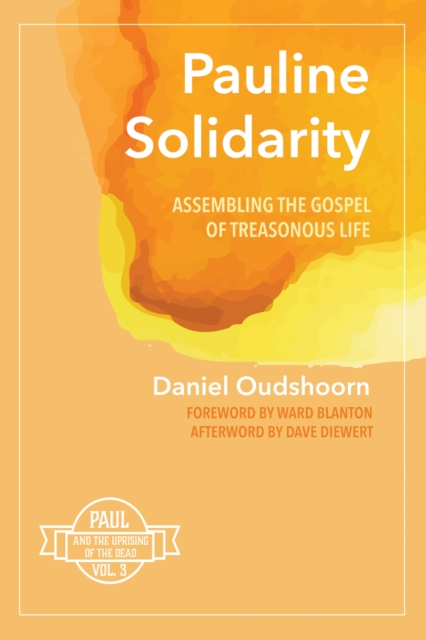
Building on the themes established in the first two volumes of Paul and the Uprising of the Dead, Pauline Solidarity explores: (a) how the Pauline faction transforms relationships within the household unit in the new transnational family of God; (b) how dominant cultural conceptions of honor are rejected in the embrace of shame in the company of the crucified; (c) how vertical practices of patronage are replaced with a horizontal sibling-based political economy of grace; and (d) how the gospel of the Caesars is overcome by the lawlessness of the good news that is being assembled in an uprising of life among the left for dead.
When seeking to understand what Paul and his coworkers were trying to accomplish, it is no longer possible to ignore Graeco-Roman cultural, economic, political, and religious beliefs and practices.
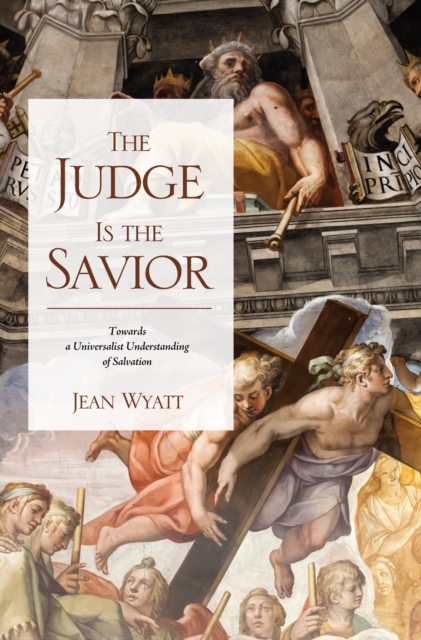
This is a book Jean Wyatt felt compelled to write, as she has for many years wrestled with questions surrounding the love and the justice of God, his salvation and judgment through Jesus Christ, and the effect of our response (or lack of response) to that salvation.
In this highly readable and engaging commentary on the Gospel of Luke, Diane Chen introduces her readers to the particularities of the world of Jesus, steeped in Jewish history and convictions yet threatened by Roman power and hegemony.
People have used the Bible for a variety of purposes over the course of the past two thousand years; unfortunately, many of those uses have reinforced power structures and systems that oppress and dominate those without privilege.
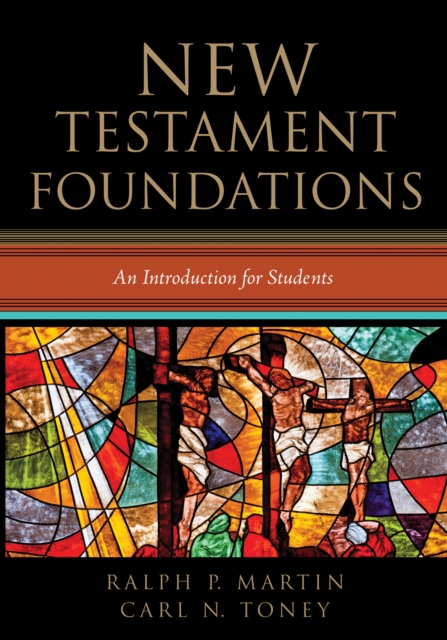
Drawing upon over fifty years of scholarly experience of one of the most industrious contemporary scholars, this work, which was first published in 1975, has been revised, updated, and expanded to offer a fresh, in-depth introduction to the New Testament for today's students.