When writing to the Corinthians, the Apostle Paul used figurative temple language repeatedly to shape the identity of his audience ("e;Temple of God,"e; "e;Temple of the Holy Spirit,"e; and "e;Temple of the Living God"e;).
The Apostle Paul leaves no stone unturned as he encourages, enlightens, and informs the Ephesian believers (and us) regarding their duties and responsibilities as Christ's followers.
This volume draws upon historical and theological sources and empirical research to provide a unique and diverse perspective on theological education in the twenty-first century.
Empowering English Language Learners showcases strategies of those who teach English as a second language in pre-schools, graduate schools, secular public schools, and private Christian schools.
Paul's letter to the Philippians has often been read as one of the apostle's clearest denials of his (previous) Jewish identity in order to preempt the "e;Judaizing"e; tactics of false teachers who might infiltrate the congregation.
Written at a time when his ideas and practices were provoking opposition even from fellow Christians, the Apostle Paul articulates in his Letter to the Romans his understanding of God's plan for humanity and discusses the implications of this plan for different groups of people.
Although the cry for justice in human society is an important theme in the Bible, in many church and academic circles action for and discourse about social justice is carried on without a thorough exploration of this theme in Scripture.
In 1992, Peter Ochs and a few Christian and Muslim colleagues began to gather small groups, in and outside the classroom, to practice close and attentive reading of the sacred Scriptures of the Jewish, Muslim, and Christian traditions.
Like the first volume in this series (WealthWatch, Pickwick, 2011) this book attempts to do two things: (a) examine the primary socioeconomic motifs in the Bible from a comparative intertextual perspective, and (b) trace the trajectory formed by these motifs through Tanak into early Jewish and Nazarene texts.
Do we appreciate to the full why the Jewish believers of the early church "e;were amazed because the gift of the Holy Spirit was poured out even on Gentiles"e;?
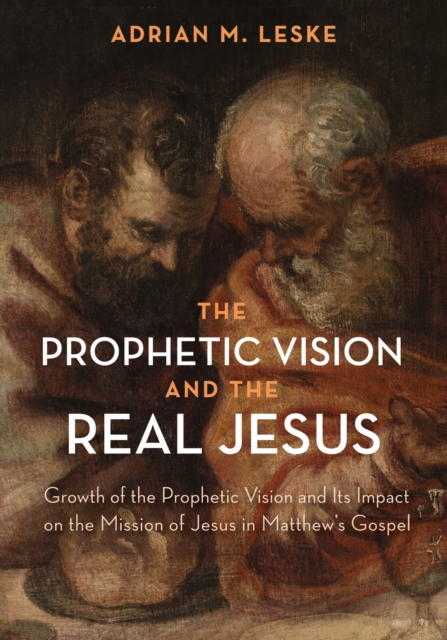
Using the method of intertextuality, Adrian Leske has traced the growth of the prophetic vision from Amos to the Exile, demonstrating how, after the Exile, the dominant influence on that vision down to the time of Jesus is the positive and new message of Deutero-Isaiah.
From battling apartheid to saving the environment, fighting racism to urging tax justice, and Sunday preaching to visiting the sick, this book tells the story of nearly fifty years of active church ministry.
Why does the Christian walk often feel like an ongoing struggle and why does God's creation include imperfection, let alone forces that are intent on thwarting God's creative work?