What if we looked at the things we see wrong in the world with empathy, dug below the surface of people's disappointing actions to experience their pain, and understood hurtful words as a cry for consolation?
If you ask legendary football coach Lou Holtz about his greatest accomplishment, he doesn't talk about winning a national championship at the University of Notre Dame.
Are you looking for freedom and fulfillment in the life you are already living, or do you feel trapped because your everyday reality doesn't match your dreams?
In this personal healing retreat from Heather Khym, cohost of the popular Abiding Together podcast, you are invited to break through the barriers that prevent you from trusting and experiencing the deep love of Jesus and be transformed by the freedom that comes when we vulnerably bring our entire selves to the foot of the Cross.
Winner of a first-place award in the healing and self-help category from the Catholic Media Association and a third-place award in general interestfrom the Association of Catholic Publishers.
Muffet McGraw coached hundreds of amazing, smart, and talented young women in her thirty-three seasons as the head coach of the University of Notre Dame women's basketball team, yet she says almost all of them struggled with their confidence.
You work hard to motivate your students every day, but where can you find the inspiration you need when teaching gets tough or your passion for the classroom starts to wane?
Exemplifying nonsensical but random quotes directly related as a result from my entire lifetime ofexperiences in which I have been facing, is the entire essence of this book.
Hope and Humor for Women in Cross-Cultural MinistryScreams in the Desert is an invitation to participate in one womans cross-cultural journey and the lessons she learns along the way.
Shows how the certainty of change and loss can support rather than diminish love Shares practices and meditations to help love endure in the face of loss, disappointment, change, or any of the ways relationships and circumstances are altered by time Explores how to cultivate gratitude for every expression of love we encounter, strengthen compassion for others, and recognize the power of love after life Collaborating with his late son, Jordan, psychologist Matthew McKay offers five ways to keep love alive in a world of impermanence.
What if we looked at the things we see wrong in the world with empathy, dug below the surface of people's disappointing actions to experience their pain, and understood hurtful words as a cry for consolation?
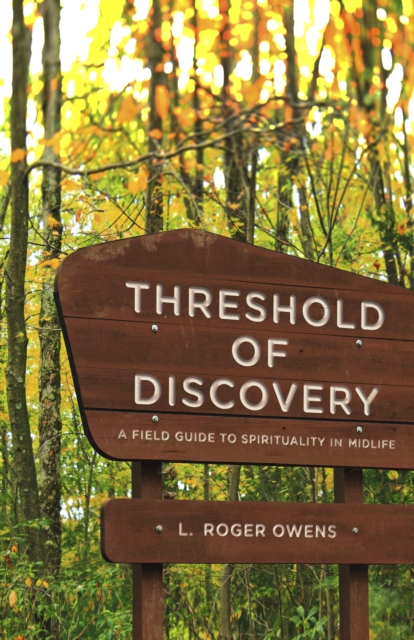
Thoughtful exploration of midlife spirituality through the prism of nature walksRoger Owens, facing a "e;dark night of the soul"e; as he turned forty and entered midlife, was encouraged by his spiritual director to think of it instead as a "e;threshold of discovery.
Once an individual hath found thy path and begin'eth thy journey toward enlightenment, ye shall know such path lead'eth thee toward thy destiny where ye need not a form of religion because thy spiritual salvation hath already been secured by the unwritten laws of universal knowledge and that of "e;What Is.
"e;'Of course, let us have peace,' we cry, 'but at the same time let us have normalcy, let us lose nothing, let our lives stand intact, let us know neither prison nor ill repute nor disruption of ties .
Robert Muthiah believes a deepened theology of the priesthood of all believers is essential for answering the crucial questions of what shape the church should take in the twenty-first century, and how this theological query relates to the lived experiences of congregations.
This collection of theological essays, spiritual meditations, public prayers, and biblical interpretations provides a focus, day by day, for contemplation and reflection.
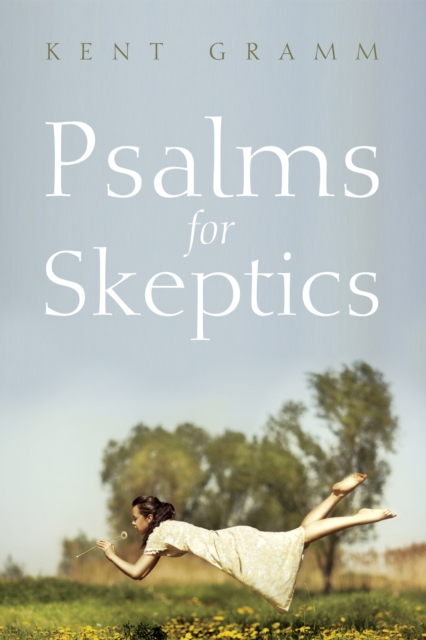
Sparked by phrases from the book of Psalms, these poems question and occasionally affirm our everyday ideas about life, mortality, the afterlife, God, family, and belief.