As a leader of religious thought in England, Richard Baxter (1615-1691) was deeply concerned about the state of the church, and, in particular, about the condition of the ministry.
Apart from impressive liturgical expressions every year in Advent and one stirring statement called "e;The Christian Hope,"e; which concludes the Prayer Book Catechism, the Episcopal Church is not known for its formation and application of eschatology--the doctrine of last things.
This book enables worship leaders to skillfully guide spiritual novices, skeptics, and Christian veterans to the grace embedded in the timeless liturgy.
Historically, people who have risen to the occasion to speak of faith for their generation have been keenly aware of their own limitations-whether Moses, who was "e;slow of speech,"e; or Isaiah, who was concerned that he spoke with "e;unclean lips.
This volume examines the various theological aspects of divorce and remarriage--historical, contemporary, exegetical, and practical--recognizing that all are subject to the teaching of Scripture.
The Teaching Hymnal: Ecumenical and Evangelical is a teaching resource that provides a new generation of worshipers the opportunity to draw upon the rich history of the use of hymns and hymnody in the church.
Everyone has heard of Augustine of Hippo, the greatest of the Church Fathers of the Western Christian world; but not so many are acquainted with his writings.
Seminaries, teachers, and students of preaching, as well as preachers in the active ministry are always on the alert for books to guide them in the construction of effective sermons.
In the 5th, 6th, and 7th chapters of the Gospel according to Matthew are recorded the words of Christ as He presented them to the multitudes in the message we now call '"e;The Sermon on the Mount.
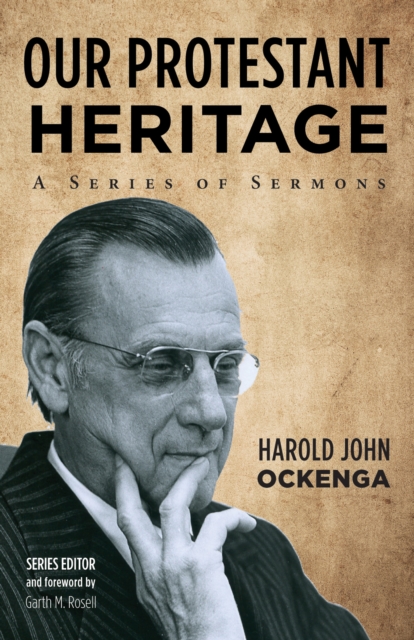
In this series of eight beautifully crafted sermons, first delivered to the congregation of Boston's historic Park Street Church in Boston in 1938, Harold John Ockenga invites his listeners--then and now--to rediscover the spiritual insights of the Protestant Reformation of the sixteenth century.
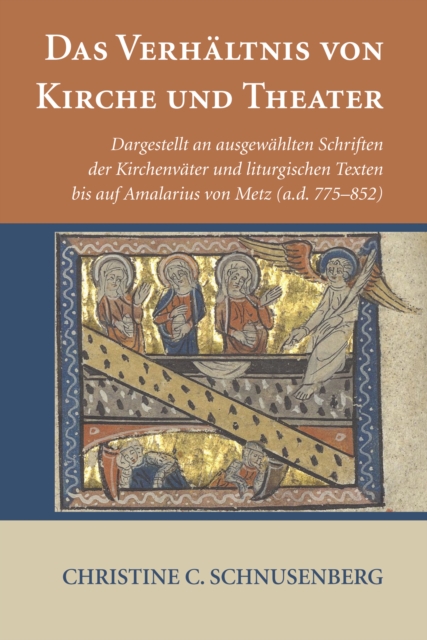
This work has grown out of the question regarding the negative relationship of the Church Fathers toward the Roman theatre and the apparent subsequent theatre vacuum of over 400 years (ca.
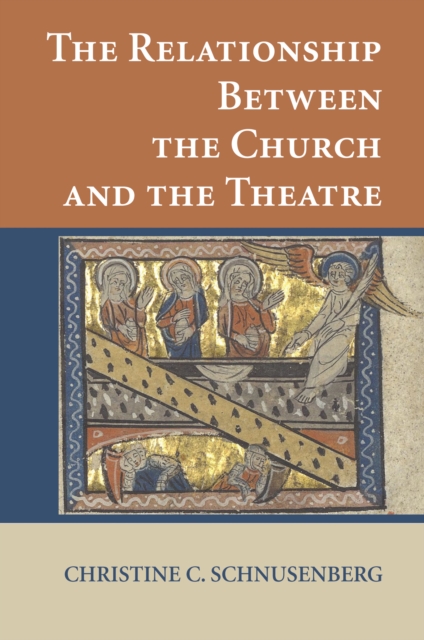
This work has grown out of the question regarding the negative relationship of the Church Fathers toward the Roman theatre and the apparent subsequent theatre vacuum of over 400 years (ca.
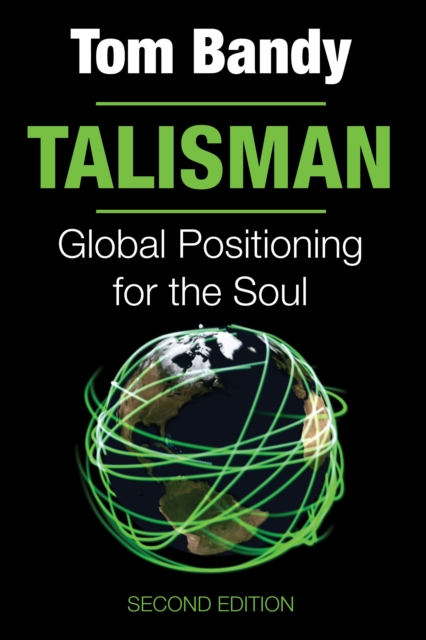
Mentoring is the primary vehicle for spiritual insight and holistic growth today, and Talisman is written from the perspective of a mentee reflecting on the teachings of his/her mentor.
"e;The aim in preparing this work has been to bring together the best examples of the products of the pulpit through the Christian centuries, and to present these masterpieces in attractive and convenient form.
Andrew Ramer acts as a messenger for the saints and angels who have spoken to him since childhood, and his precise, fascinating, and hopeful "e;revelations"e; provide a dynamic new vision for all of us on this endangered planet.
Someone's Praying, Lord is a book of prayers written specifically for situations of daily life--prayers for the high times and the lows, prayers for times of happiness and sadness, prayers in the morning and those at night.
Receiving the Spirit is a gentle, honest, and sensitively written account of a Congregationalist minister who found the Holy Spirit in the Catholic Charismatic Movement and who then preached his deepened faith in mainline churches across the country.
In an inclusive, welcoming manner, the Finleys share their insights, beliefs, and convictions concerning the foundation of church being rooted in the firm foundation of family.
This book tells the story of Keith's restless journey of faith, from his early days at Prairie Bible Institute in Canada, through positive encounters withAnglican evangelicalism in Australia, and into a more restful and sustainable faith.
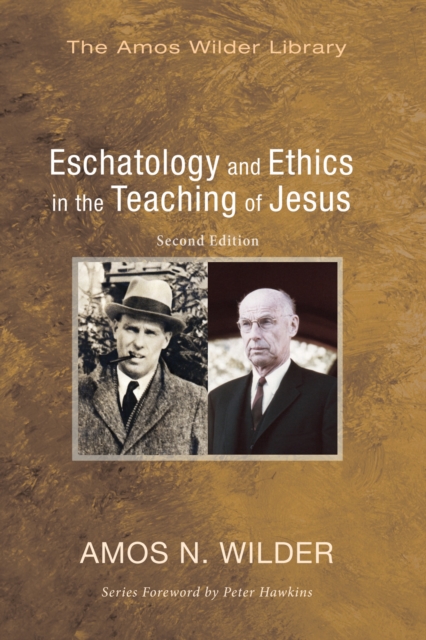
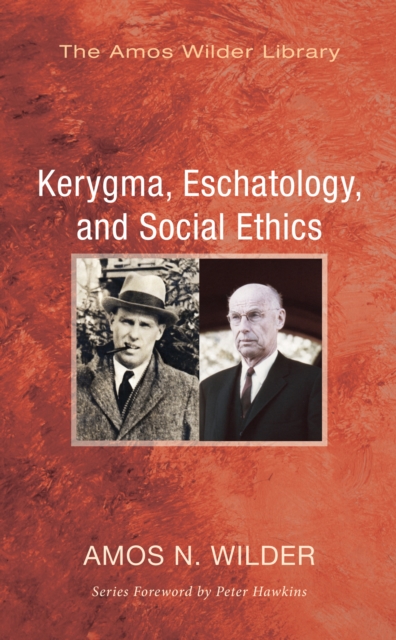
"e;The eschatological and dualistic symbolism of the early Christians has misled us into thinking that the Gospel in its classic period has no concern with what we call social change,"e; writes Wilder.
Leisure: A Spiritual Need presents an impressive and articulate case for the integration of authentic leisure into every aspect of our lives, showing that lei-sure is of the essence of Christianity, and a vital component of our spiritual growth.