Written from a post-Christendom/emergent worldview, this books was born of a singular question asked in hundreds of ways: "e;What do we do to be faithful in this changed and changing reality?
Almost everywhere throughout the greater church are unsustainable trends-endowments are being depleted, building maintenance deferred, congregations are aging and dwindling, and budgets are too far out-of-whack.
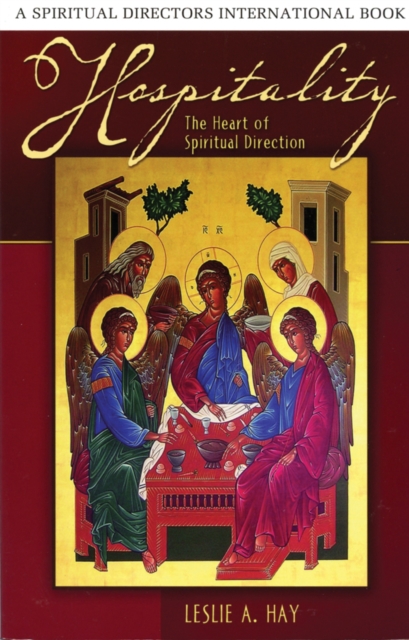
In this latest addition to the Spiritual Directors International Series, professional spiritual directors and those in formation programs learn to extend traditional forms of hospitality by living out its deeper meaning as they explore ways in which the spirit of hospitality enriches the spiritual direction experience.
Finding God in the diversity of races, cultures, and creeds that make up our neighborhoods and cities, our country and our world, is one of the most important tasks for people of faith today.
Popular homiletics professor Linda Clader has been helping her students become attentive to how the Holy Spirit is speaking to them, and eventually through them to the congregation.
A look at the ways that meals of various sorts can be more effectively integrated into parish activities, promoting theemergence of new gifts for ministry as well as increasing ourgratitude for Gods abundance and the works of justice andmercy that follow from our expressions of thanksgiving.
"e;Our goal is the Kingdom, the completion of God's creative vision, and we are God's hands in bringing that vision to pass, "e; wrote Urban Holmes in Spirituality for Ministry, originally published in 1982.
Preaching as Pastoral Caring is the thirteenth in a series of books devoted to presenting examples of preaching excellence from parishes throughout the Episcopal Church.
An exploration of the history of the Book of Common Prayer and its revisions, beginning with the 1549 English Prayer Book and continuing up to the present.
By exploring the Episcopal Church's mission and precepts in the context of 21st century and its challenges, this thoughtful book deepens the Church's relationship with its people and makes the faith more relevant.
From Eusebius of Caesarea, who first compiled a collection of martyr narratives around 300, to Thierry Ruinart, whose Acta primorum martyrum sincera et selecta was published in 1689, the selection and study of early hagiographic narratives has been founded on an assumption that there existed documents written at the time of martyrdom, or very close to it.
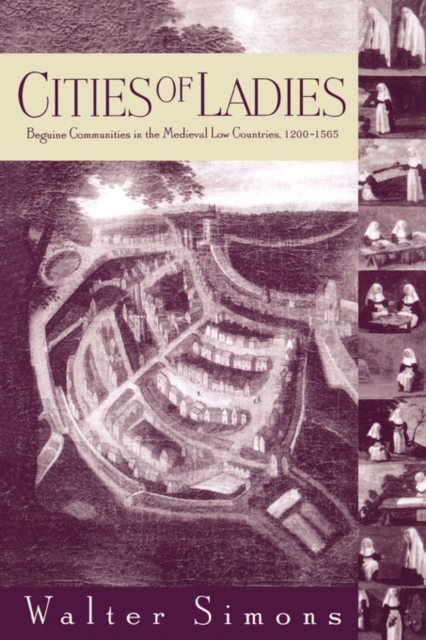
Selected by Choice magazine as an Outstanding Academic TitleIn the early thirteenth century, semireligious communities of women began to form in the cities and towns of the Low Countries.
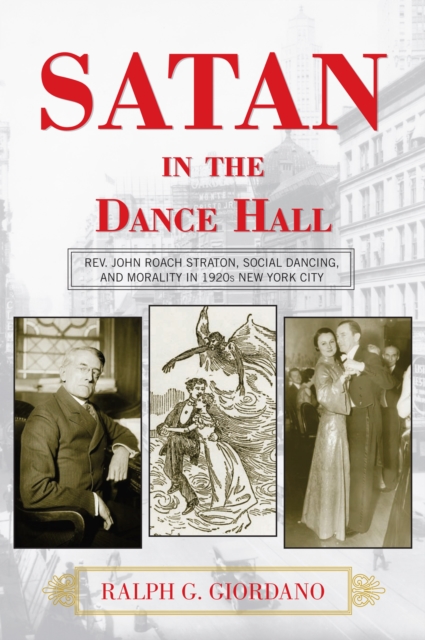
Satan in the Dance Hall explores the overwhelming popularity of social dancing and its close relationship to America's rapidly changing society in the 1920s.
Next to his Experiencing God classic, Spiritual Leadership is one of Henry Blackaby's most highly regarded and bestselling books to date, encouraging leaders in business and church to follow God's design for success.
Whether you find yourself on the verge of burnout or simply need someone to fan the flames of your faith, take time to experience afresh The Power of the Call.
Brides of Christ invites the modern reader to follow the histories of colonial Mexican nuns inside the cloisters where they pursued a religious vocation or sought shelter from the world.
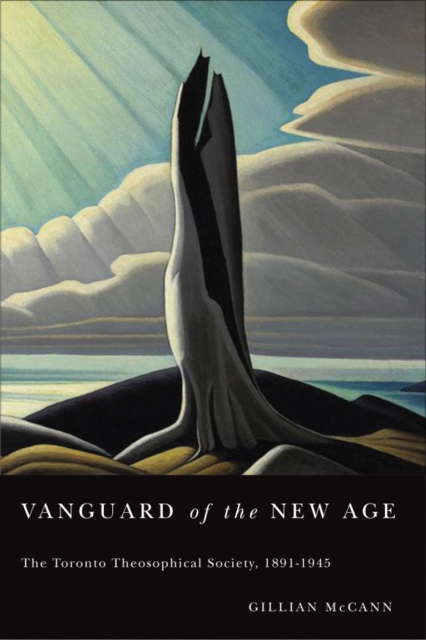
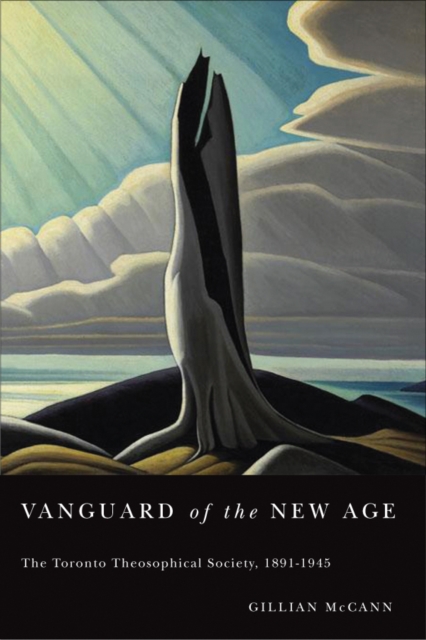
The story of the small new age religious group that introduced Victorian Toronto to Eastern thought and theology, vegetarianism, reincarnation, cremation, and the pacifism of Mohandas Gandhi.
Based on interviews with forty rural Protestant clergy, Mellow argues that male and female clergy challenge gendered definitions of work by focusing on obligation, context, visibility, and time.
Adams examines the contributions of such major Francais libres as Rene Cassin, Pierre Mendes France, and Jacques Soustelle and explores de Gaulle's troubled relations with Churchill and Roosevelt.
Based on interviews with forty rural Protestant clergy, Mellow argues that male and female clergy challenge gendered definitions of work by focusing on obligation, context, visibility, and time.