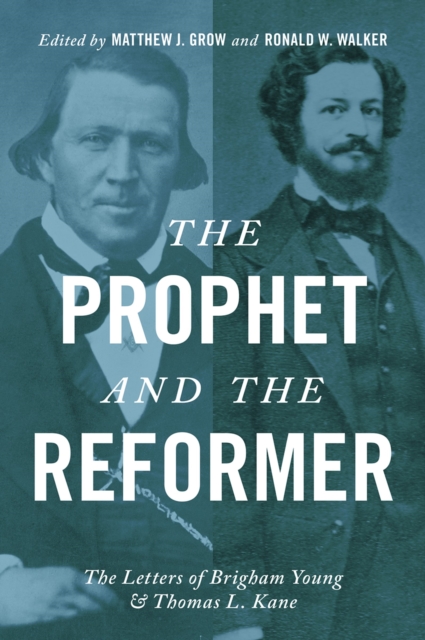
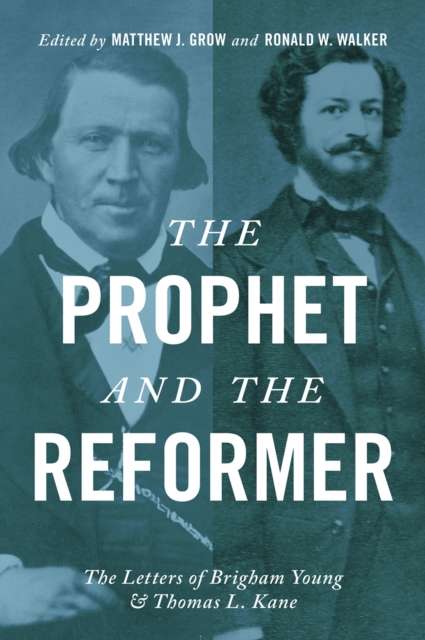
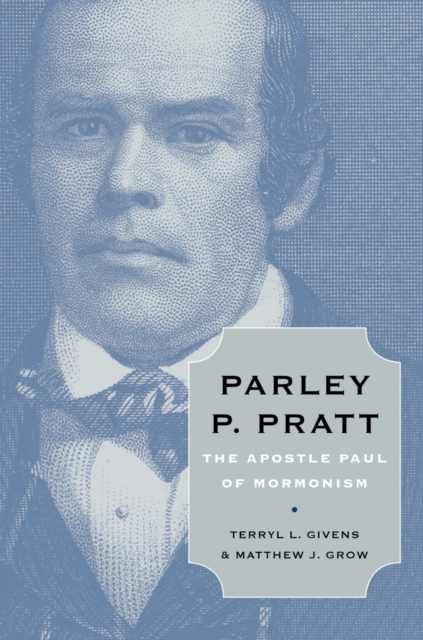
Until his death in 1877, Brigham Young guided the religious, economic, and political life of the Mormon community, whose settlements spread throughout the West and provoked a profound political, legal, and even military confrontation with the American nation.
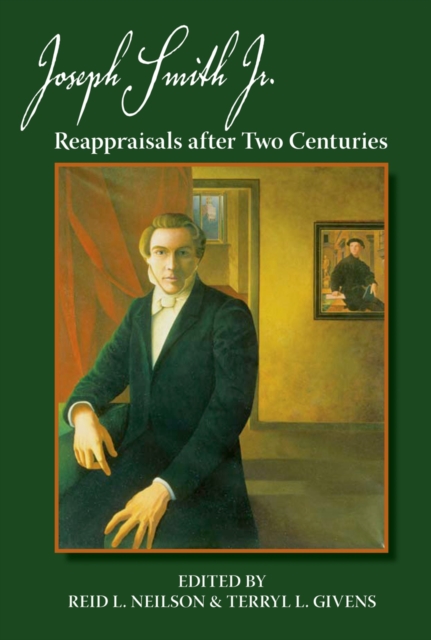
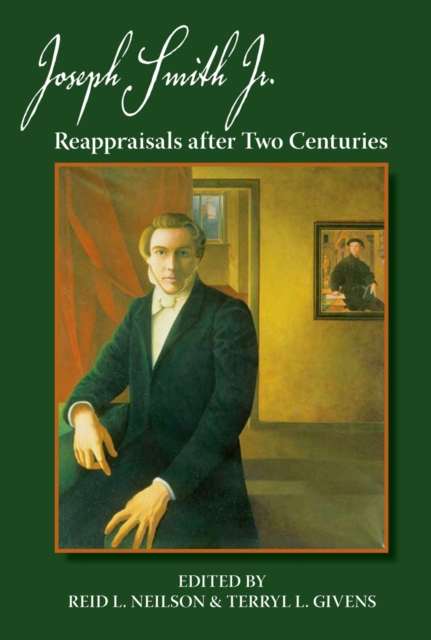
Mormon founder Joseph Smith is one of the most controversial figures of nineteenth-century American history, and a virtually inexhaustible subject for analysis.
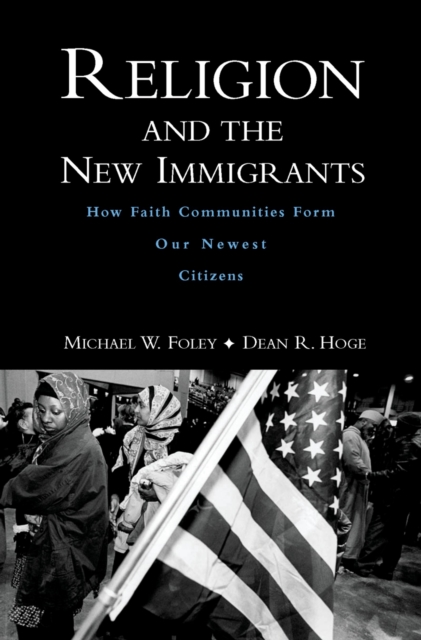
The explosive growth of the immigrant population since the 1960s has raised concerns about its impact on public life, but only recently have scholars begun to ask how religion affects the immigrant experience in our society.
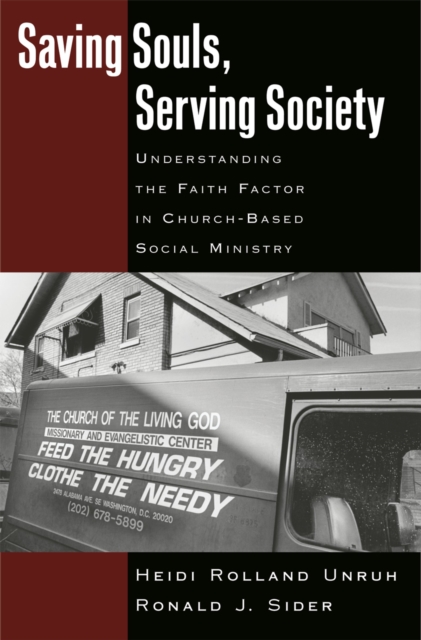
Recent years have seen unprecedented attention to faith-based institutions as agents of social change, spurred in part by cuts in public funding for social services and accompanied by controversy about the separation of church and state.
Until his death in 1877, Brigham Young guided the religious, economic, and political life of the Mormon community, whose settlements spread throughout the West and provoked a profound political, legal, and even military confrontation with the American nation.
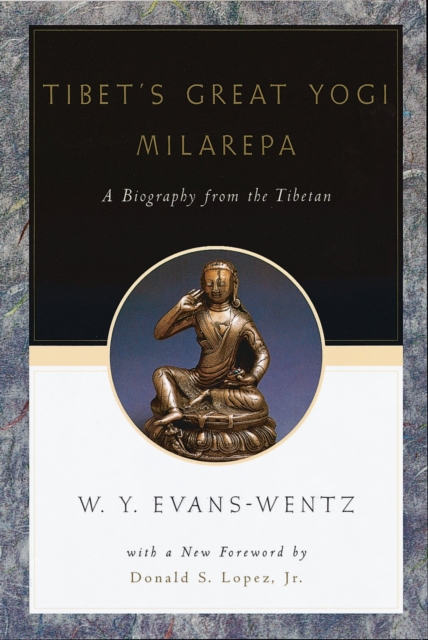
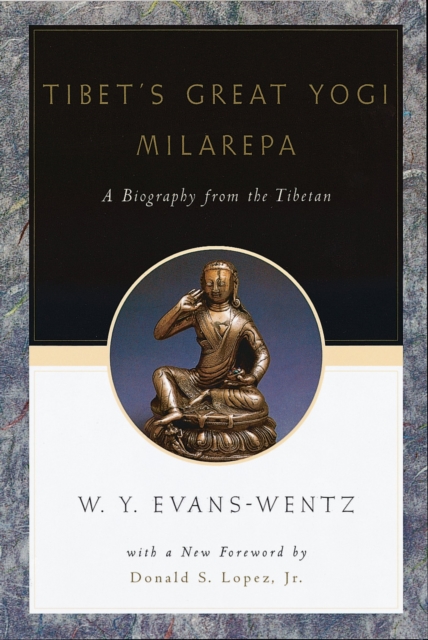
This life story of Milarepa--the important Tibetan religious leader who lived over 800 years ago--is part of a remarkable four-volume series on Tibetan Buddhism produced by the late W.
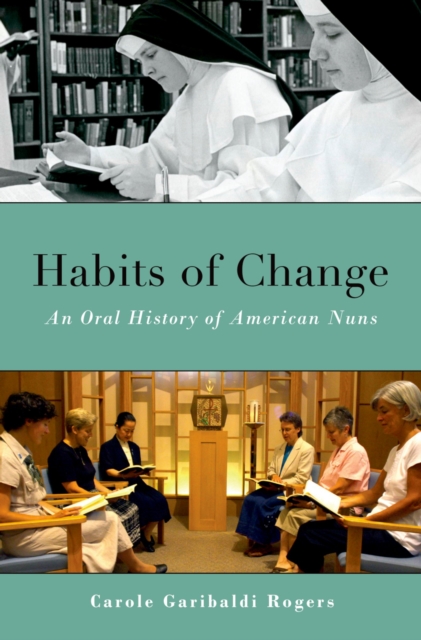
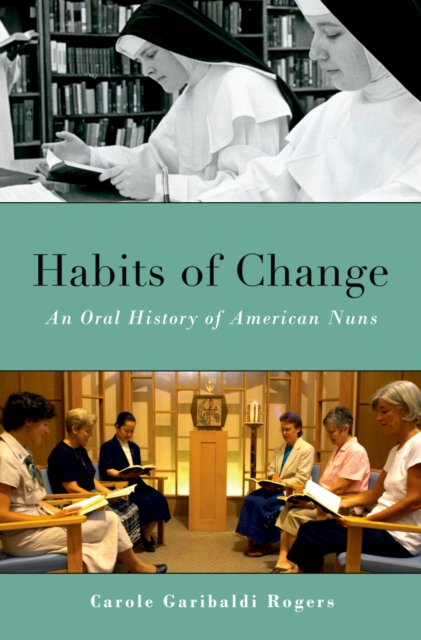
A collection of extraordinary oral histories of American nuns, Habits of Change captures the experiences of women whose lives over the past fifty years have been marked by dramatic transformation.
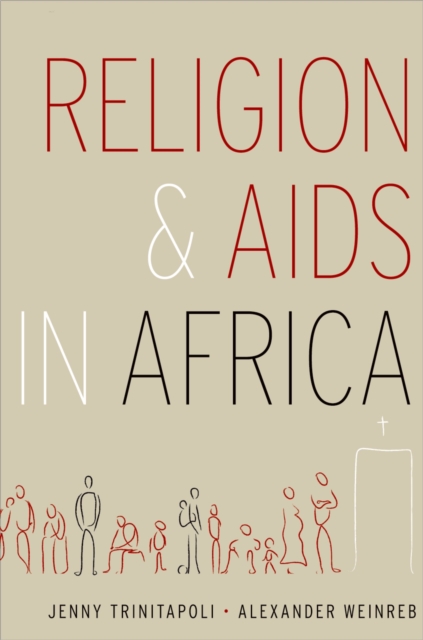
The first comprehensive empirical account of how religion affects the interpretation, prevention, and mitigation of AIDS in Africa, the world's most religious continent.
A collection of extraordinary oral histories of American nuns, Habits of Change captures the experiences of women whose lives over the past fifty years have been marked by dramatic transformation.
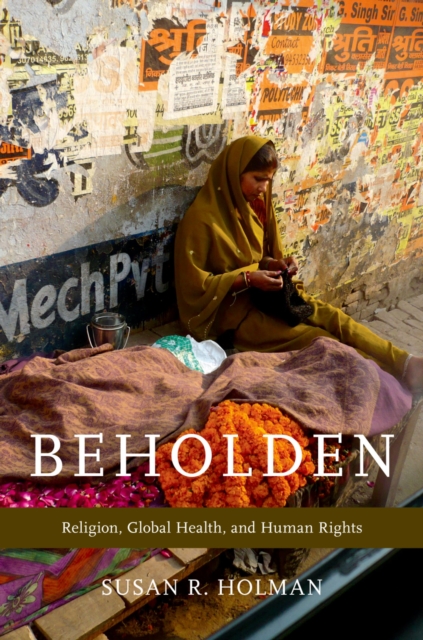
Winner of the 2016 Grawemeyer Award in ReligionGlobal health efforts today are usually shaped by two very different ideological approaches: a human rights-based approach to health and equity-often associated with public health, medicine, or economic development activities; or a religious or humanitarian "e;aid"e; approach motivated by personal beliefs about charity, philanthropy, missional dynamics, and humanitarian "e;mercy.
This life story of Milarepa--the important Tibetan religious leader who lived over 800 years ago--is part of a remarkable four-volume series on Tibetan Buddhism produced by the late W.
The first comprehensive empirical account of how religion affects the interpretation, prevention, and mitigation of AIDS in Africa, the world's most religious continent.
Mormon founder Joseph Smith is one of the most controversial figures of nineteenth-century American history, and a virtually inexhaustible subject for analysis.
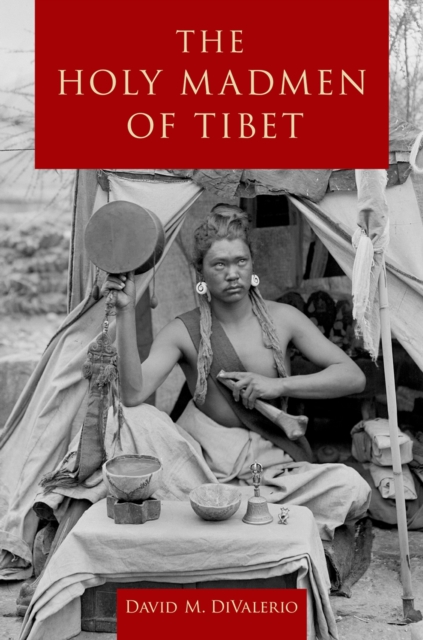
Throughout the past millennium, certain Tibetan Buddhist yogins have taken on profoundly norm-overturning modes of dress and behavior, including draping themselves in human remains, consuming filth, provoking others to violence, and even performing sacrilege.
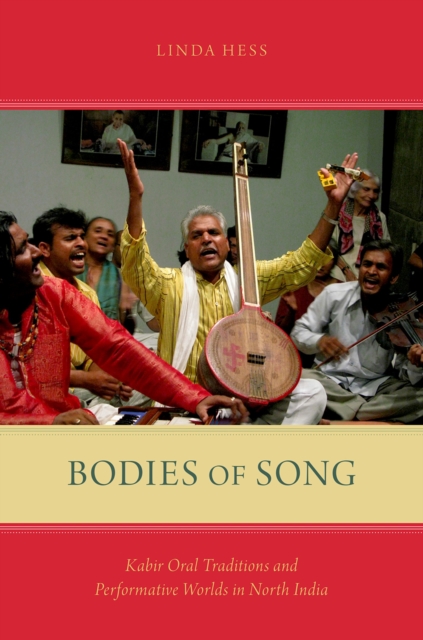
Kabir was a great iconoclastic-mystic poet of fifteenth-century North India; his poems were composed orally, written down by others in manuscripts and books, and transmitted through song.
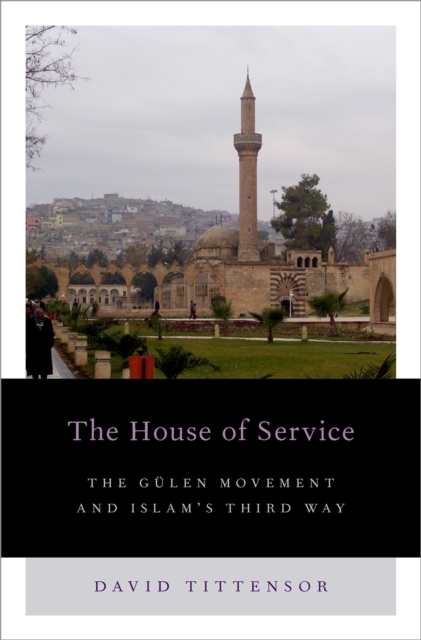
David Tittensor offers a groundbreaking new perspective on the Gulen movement, a Turkish Muslim educational activist network that emerged in the 1960s and has grown into a global empire with an estimated worth of $25 billion.
William Bentley, pastor in Salem, Massachusetts from 1783 to his death in 1819, was unlike anyone else in America's founding generation, for he had come to unique conclusions about how best to maintain a traditional understanding of Christianity in a world ever changing by the forces of the Enlightenment.
The explosive growth of the immigrant population since the 1960s has raised concerns about its impact on public life, but only recently have scholars begun to ask how religion affects the immigrant experience in our society.
Recent years have seen unprecedented attention to faith-based institutions as agents of social change, spurred in part by cuts in public funding for social services and accompanied by controversy about the separation of church and state.
The common view of the nineteenth-century pastoral relationship--found in both contemporary popular accounts and 20th-century scholarship--was that women and clergymen formed a natural alliance and enjoyed a particular influence over each other.
The growing scholarly attention in recent years to the religious world of late antiquity has focused new attention on the quest for holiness by the strange, compelling, often obscure early Christian monks known as the desert fathers.
The Fengdao kejie or "e;Rules and Precepts for Worshiping the Dao"e; dates from the early seventh century and is a key text of medieval Daoist priesthood and monasticism, which was first formally organized in the sixth century.
In this study, based on both historical evidence and ethnographic data, Paula Arai shows that nuns were central agents in the foundation of Buddhism in Japan in the sixth century.
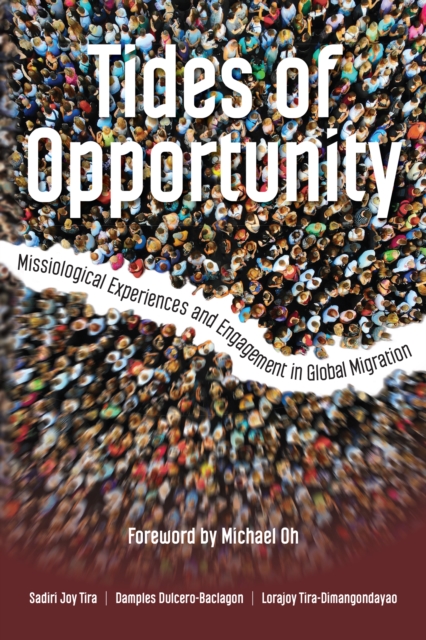
Hope and Hospitality for Migrating People Never have so many people left their homes and migrated to other parts of the world as weve seen in recent years.
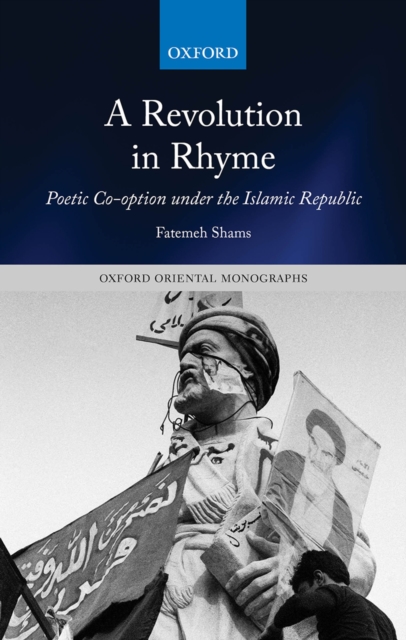
A Revolution in Rhyme: Poetic Co-option under the Islamic Republic offers, for the first time, an original, timely examination of the pivotal role poetry plays in policy, power and political legitimacy in modern-day Iran.
A Revolution in Rhyme: Poetic Co-option under the Islamic Republic offers, for the first time, an original, timely examination of the pivotal role poetry plays in policy, power and political legitimacy in modern-day Iran.
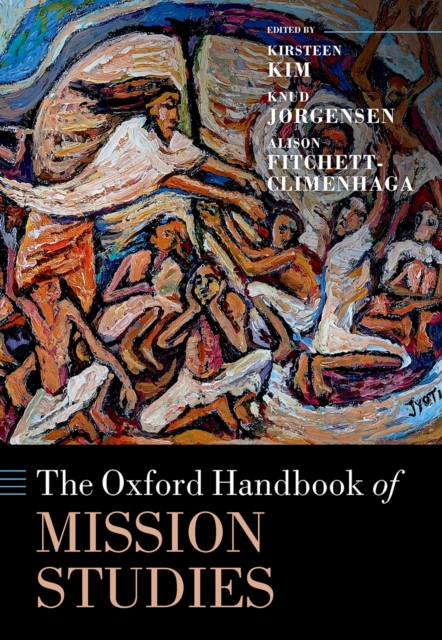
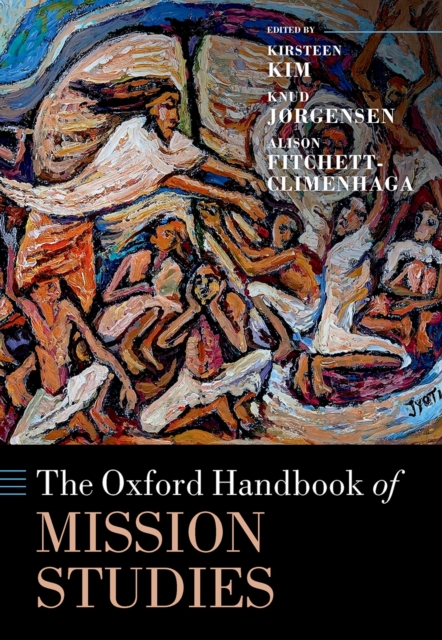
The Oxford Handbook of Mission Studies represents more than a century of scholarship related to the theology, history, and methodology of the propagation of Christian faith and the engagement of Christians with cultures, religions, and societies worldwide.
The Oxford Handbook of Mission Studies represents more than a century of scholarship related to the theology, history, and methodology of the propagation of Christian faith and the engagement of Christians with cultures, religions, and societies worldwide.
This book provides an account and explanation of a fundamental dilemma facing secular states: the 'legitimacy gap' left by the withdrawal of religion as a source of legitimacy.
This book provides an account and explanation of a fundamental dilemma facing secular states: the 'legitimacy gap' left by the withdrawal of religion as a source of legitimacy.
In early medieval Europe, monasticism constituted a significant force in society because the prayers of the religious on behalf of others featured as powerful currency.
In early medieval Europe, monasticism constituted a significant force in society because the prayers of the religious on behalf of others featured as powerful currency.
Bob Tennant presents a history of the missionary work, cultures, and rhetoric of the Church of England in 1760-1870, when it was the predominant organizer of Protestant overseas missions.
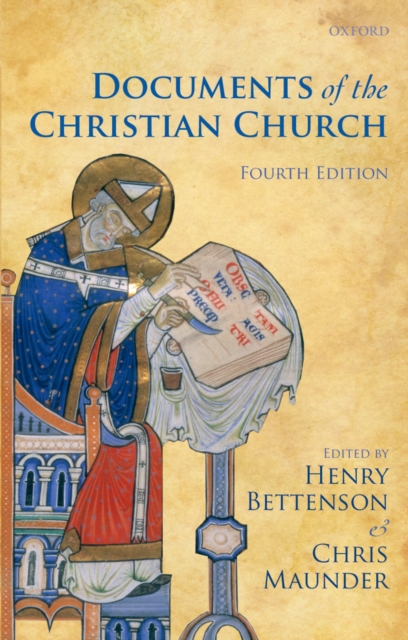
This selection of writings from the most important moments in the history of Christianity has become established as a classic reference work, providing insights into 2000 years of Christian theological and political debate.
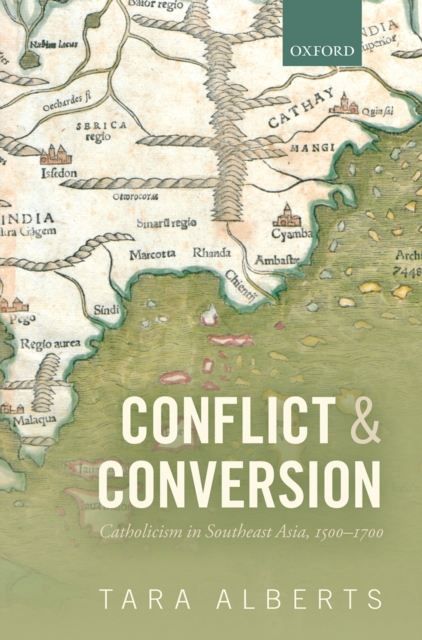
Conflict and Conversion explores how Catholic missionaries, merchants, and adventurers brought their faith to the strategically and commercially crucial region of Southeast Asia in the sixteenth and seventeenth centuries.
Gavin D'Costa breaks new ground in this authoritative study of the Second Vatican Council's doctrines on other religions, with particular attention to Judaism and Islam.
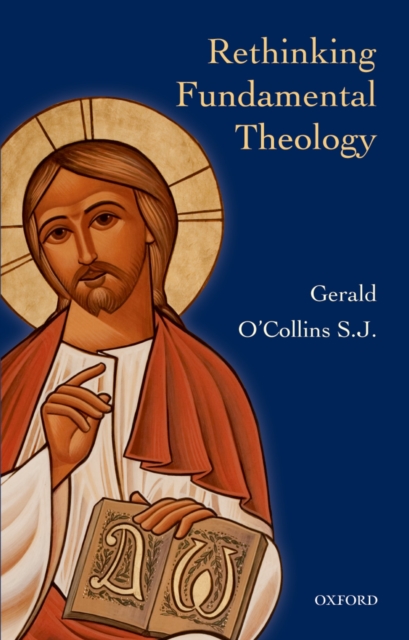
This book identifies the distinguishing features of fundamental theology, as distinct from philosophical theology, natural theology, apologetics, and other similar disciplines.