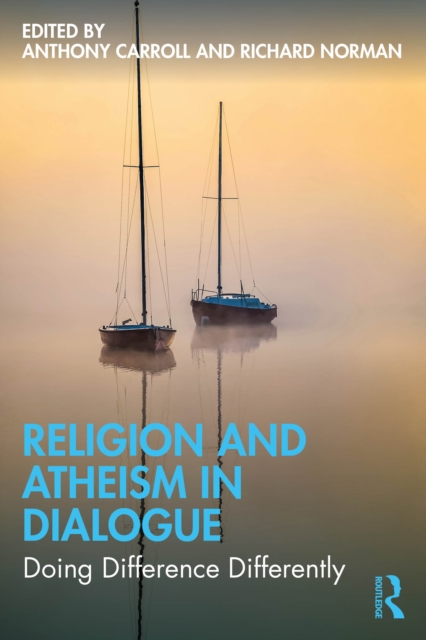
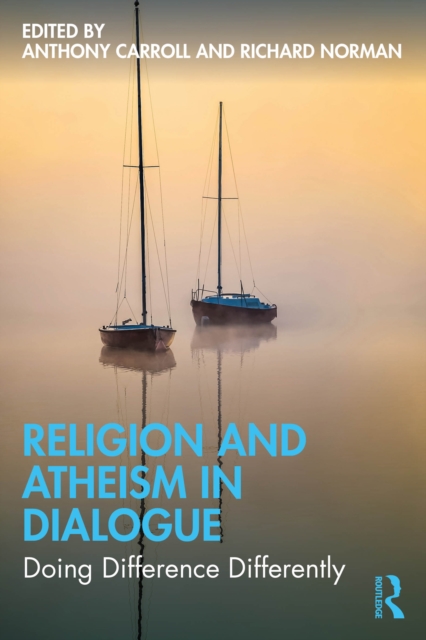
The divide in our societies between those who are religious and those who are not is becoming increasingly apparent in many areas of contemporary life.
Each day, approximately twenty-five thousand people die from hunger and related problems while on the other side of the globe people worry about how to reduce food waste.
The divide in our societies between those who are religious and those who are not is becoming increasingly apparent in many areas of contemporary life.
Relaţia guru-discipol face partedintr-o serie de broşuri de buzunardespreînvăţăturileluiParamahansa Yogananda, autorulcărţiiAutobiografia a unuiYoghin.
The essence of Ascent of the Mountain, Flight of the Dove remains intact: its vision of religious studies as sustained refl ection on our lifelong voyage to discover who we are.
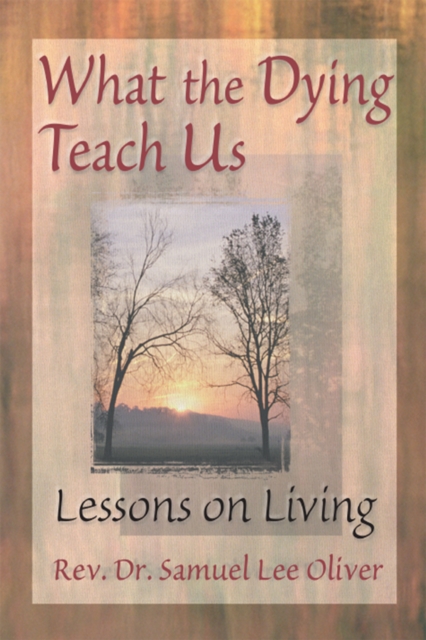
What the Dying Teach Us: Lessons on Living is a spiritual approach to health care that teaches the reader about values, hope, and faith through actual experiences of terminally ill persons.
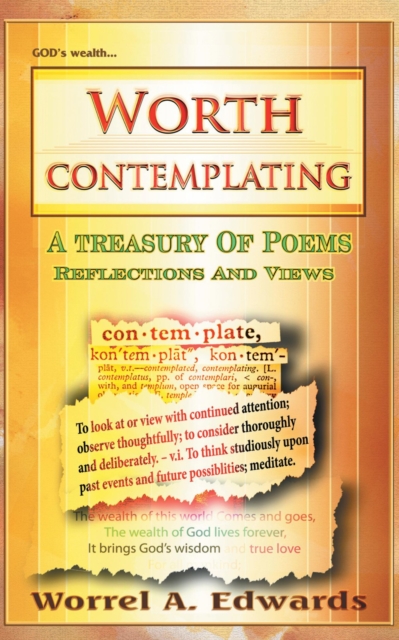
worth contemplating adresses situations, relationships, emotions and most importantly, looks to God, the creator, for the answers in the pursuit of unity, and love which is desired by every passionate and caring human being.
Uncovering "e;Prophecy"e;THE BIBLE INTERPRETS ITSELF, DEPICTING A WORLD CRISIS AND HOW WECAN ALL AVOID IT, GOD'S TRUE WORD OF THINGS THAT ARE TO COME;GIVEN TO HUMAN RACE AS AN ADVANCE WARNING TO REPENT OFINIQUITIES.
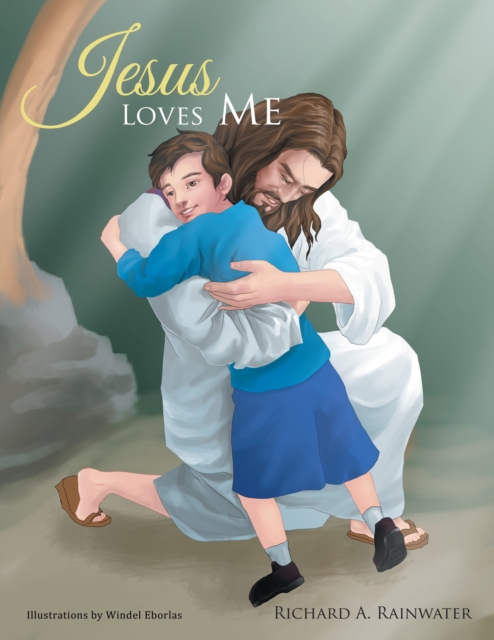
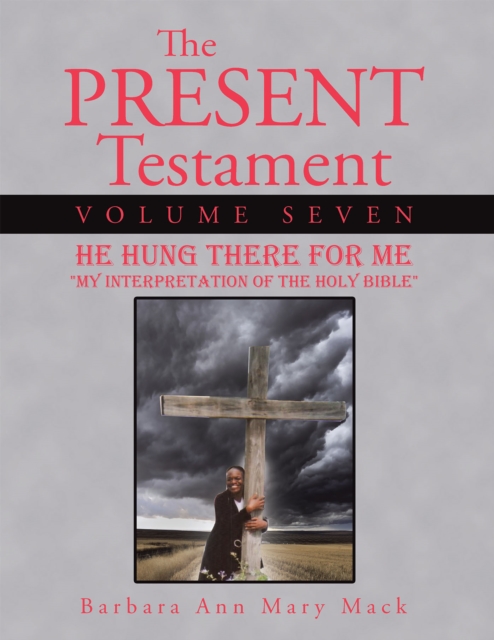
The book is about going back to live and follow Jesus so in the end time days come Ill be ready to see him and how hes always been with me trying to guide me in the right way the sins Ive done and why Jesus would love someone like me die for me for my sins but he did on April 14th 2014 10 20 am and how its changed me and the abuse Ive had threw out my life with the 5 husbands and the men I lived with did to me my childhood my life here on earth.
But choose the spirit, and all Heaven bends to touch your eyes and bless your holy sight, that you may see the world of flesh no more except to heal and comfort and to bless.
This special and unique book brings to life and makes alive Psalm 91, showing forth the power and promises of learning to dwell in the secret place of the Most High.
The intent of this book is to summarize messages of biblical scriptures in an easy-to-digest manner, inspirational for both adults and children of all ages.