Ethisch-moralisches Lernen wird sowohl als diskursives als auch kritisches Lernen in sechzehn Thesen entfaltet und die Kontur eines Lernens anvisiert, das für religiöse Bildungsprozesse grundlegend ist.
Der Band versammelt die Beiträge des Darmstädter Gesamtkongresses Gemeindepädagogik 2017, auf dem Perspektiven der gemeindepädagogischen Berufsrolle diskutiert wurden.
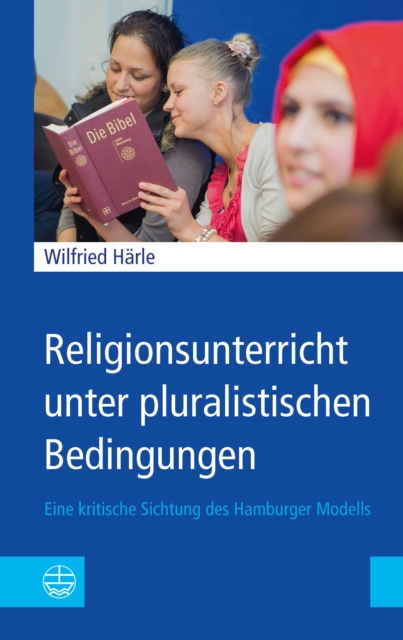
Der Religionsunterricht ist an deutschen Schulen in seiner Form als konfessioneller Religionsunterricht zwar de jure garantiert, aber de facto umstritten.
Das Thema religiöser Wahrheit ist innerhalb der Praktischen Theologie in den vergangenen Jahrzehnten kaum explizit bearbeitet worden, obwohl theologisches Arbeiten stets mit der Wahrheitsfrage verwoben und mit impliziten Geltungsansprüchen verbunden ist.
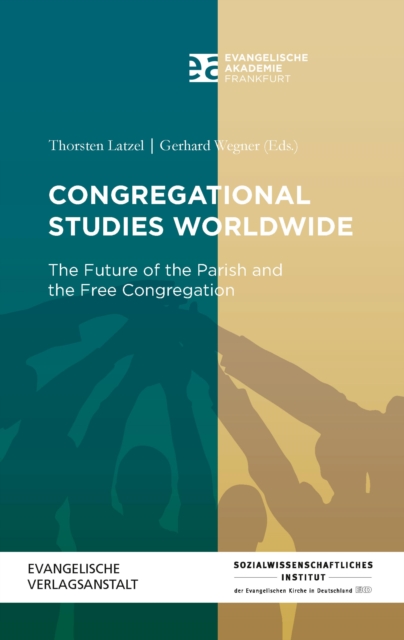
In the Christian churches, and in Protestantism in particular, the local gatherings of the faithful -parish and non-territorial free congregations - are of crucial importance.
In diesem auch ästhetisch schönem Buch erläutern prominente Zeitgenossen zentrale politische, wirtschaftliche und soziale Themen von der Reformation 1517 bis heute.
Auch wenn nationale Grenzen nach wie vor die Erfahrungswelt der meisten Europäer prägen, haben die mediale Präsenz anderer Länder, Religionen und Konfessionen, die erzwungene und freie Migration von Menschen, die berufliche Mobilität auf dem globalen Arbeitsmarkt und selbst Urlaubsreisen die Rahmenbedingungen religiöser Sozialisation, Erziehung und Bildung in Deutschland nachhaltig verändert.
Christliche Rede von Liebe übersieht meistens ihre Zweideutigkeiten: Stattdessen wird Liebe entweder übertrieben gelobt oder vermeintliche Fehlformen verdammt.
Ausgehend von einer norddeutschen Mitgliederbefragung thematisiert die Untersuchung den Posaunenchor als exemplarische kirchliche Praxis und fragt, wie sich hier soziale, musikalische und religiöse Aspekte miteinander verbinden.