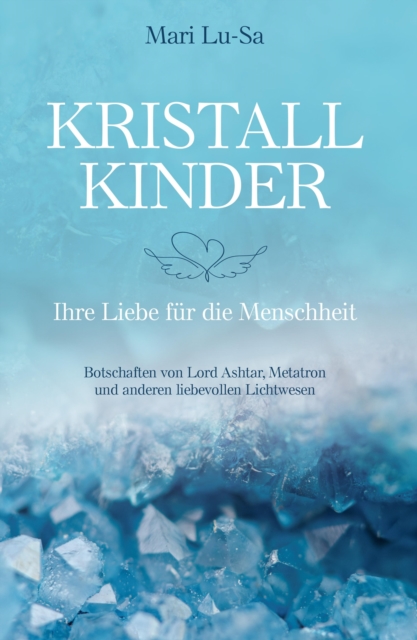
Dieses Buch enthält von der Geistigen Welt übermittelte Informationen über die Missionen, Visionen, Vorlieben, Ernährungsweisen und Eigenheiten der Kristallkinder.
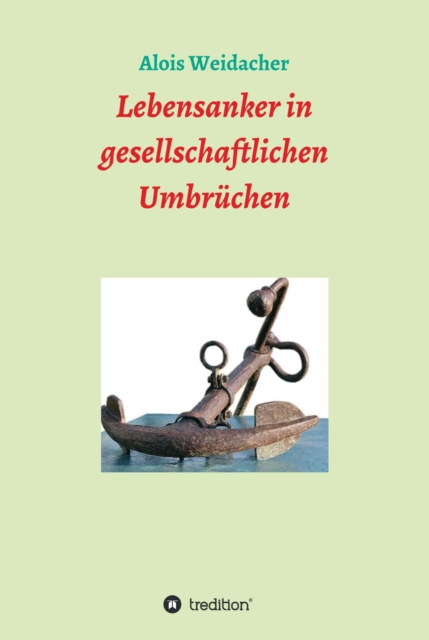
Wirtschaftliche und politische Umbrüche, Wandel in Beziehungsstrukturen, veränderte Orientierungskoordinaten durch wissenschaftliche Information und digitalisierte Kommunikation: wir fragen nach Ankerpunkten unseres Lebens
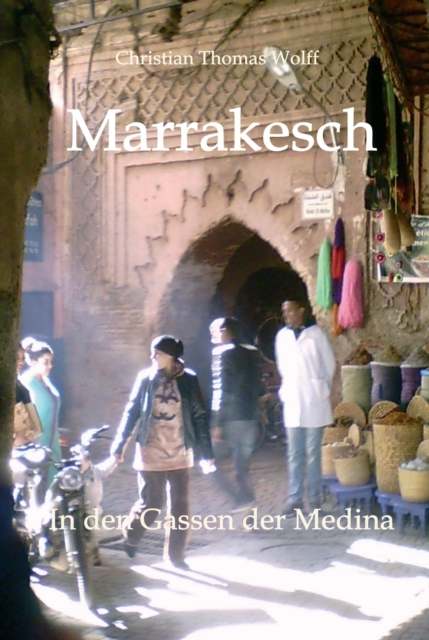
In diesen Reiseaufzeichnungen über seinen Aufenthalt in der Medina von Marrakesch gewährt uns der Autor Einblicke in das soziale und religiöse Leben ihrer Bewohner und ihre, uns vielfach fremd anmutenden, Leben- und Verhaltensweisen.
Anschaulich und kompakt skizziert dieses Sachbuch die Gestalten Adam, Kain und Abel, Henoch, Noah und Ijob, wie sie im Judentum und im Islam dargestellt werden - und trägt somit zum besseren gegenseitigen Verständnis von Juden und Muslimen bei.
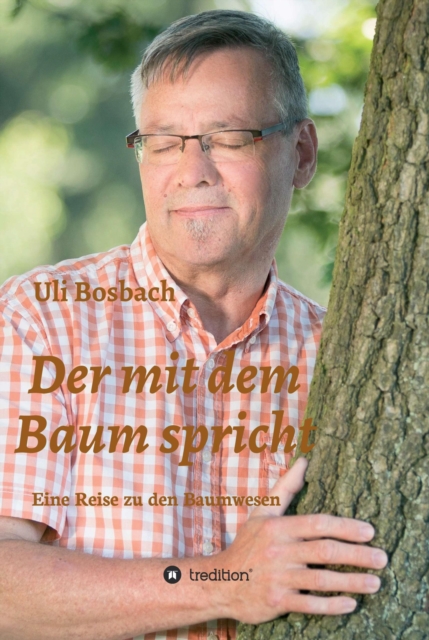
Das Buch handelt von den Bäumen, von ihrer Art zu leben, von ihren Wünschen, ihren Qualitäten und davon wie sie mit uns und wir mit ihnen in direkte Gespräche eintreten können.
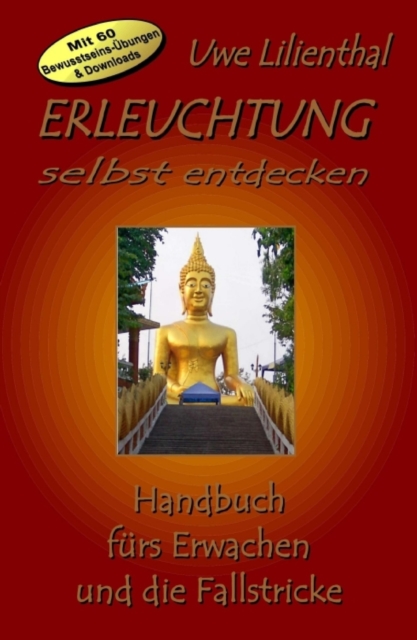
Die Erleuchtung im Alltag erlangen- dieses Buch gibt dem Leser einfache Übungen an die Hand, die in den Alltag integriert und bei Arbeit, Haushalt und in der Freizeit und dabei von anderen nahezu unbemerkt durchgeführt werden können.
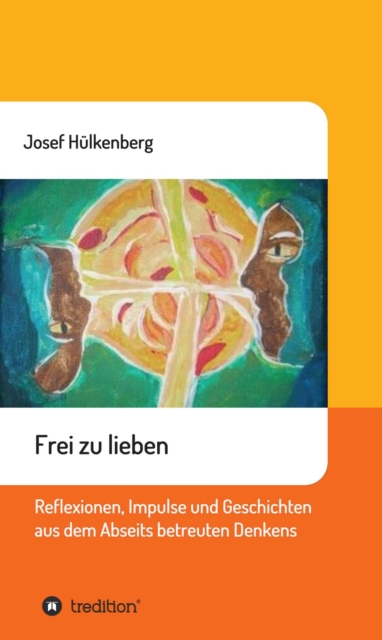
Der Diplom-Sozialpädagoge Josef Hülkenberg, Jahrgang 1951 variiert das Thema durch die Spannungsfelder der Liebe von der intimen Begegnung, über partnerschaftliche Beziehungen bis hin zur Befriedung sozialer Spannungen in Solidarität und Gerechtigkeit als weltumspannender Kultur der Liebe.
O presente livro estrutura, explica e interpreta os dois mais importantes oráculos do Candomblé: O milenar Oráculo de Ifá e o Merindilogun, também chamado de Jogo de Búzios.
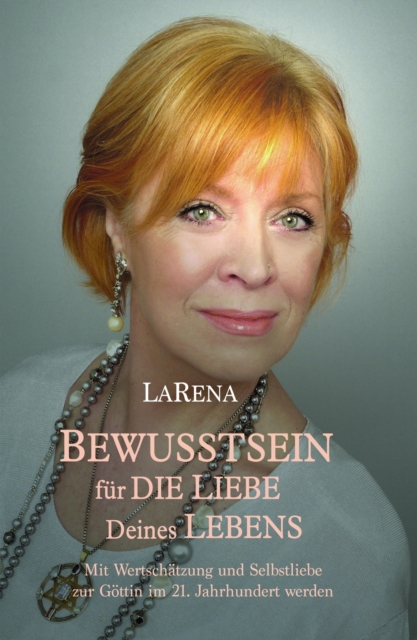
Das vorliegende Buch: "Bewusstsein für Die Liebe Deines Lebens" ist nicht nur ein Ratgeber für Frauen, der aufrüttelt und Leben retten kann, es ist ebenso die berührende Dokumentation eines Entwicklungsweges, der in LaRenas jungen Jahren mit zwei Nahtod-Erlebnissen beginnt, und ab der Harmonischen Konvergenz 1987 und der alles verändernden Begegnung mit dem Meisterlehrer RAMTHA immer mehr an Bedeutung und oft erschütternder Tiefe gewinnt.
Vielen Menschen ist es wichtig, Ihr Leben im Griff zu haben und sich dabei beruflich und persönlich stetig weiterzuentwickeln und das unterstützt dieses Buch.
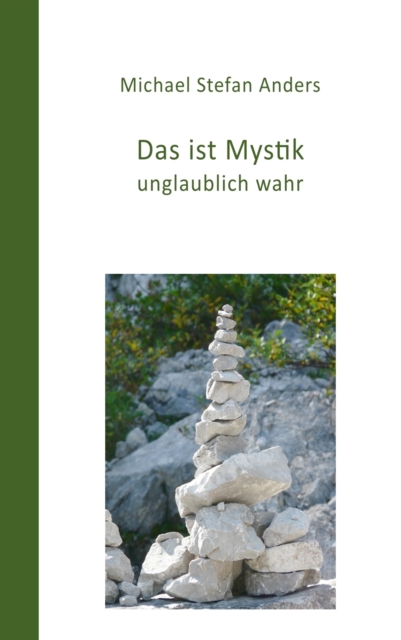
Meine Interpretation ist keine Mystifizierung von irgendjemand oder irgendWAS,sondern versucht zu erklären,WAS die höchste Form der Wahrnehmung im eigen Selbst eines Menschen hervorbringen kann und für jeden Menschen zu einer wahrhaften SELBSTerfahrung werden könnte:einer Selbsterfahrung des nondualen Absoluten, einer sich selbst genügenden Vollkommenheit, einer zeitlos überströmenden, schöpferischen und zugleich sich selbst entäußernden Fruchtbarkeit.
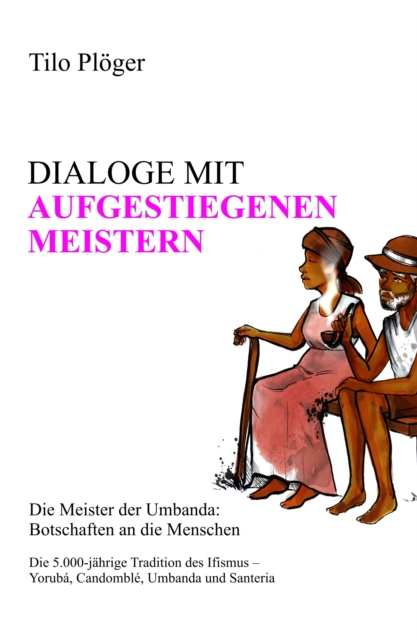
Die in Brasilien aus dem Candomblé und dem Spiritismus hervorgegangene Tradition der Umbanda zeichnet sich durch den ständigen Austausch mit den aufgestiegenen Meistern aus.