Written by two leading authors in the field, Social Work and Spirituality provides a critical engagement with the concept of spirituality and a much needed framework for the integration of spiritual care in mainstream practice.
One of the important ecclesial developments over the last century has been the extraordinary rediscovery, retrieval and reinvigoration of the Christian contemplative tradition, a recovery that has been extraordinarily influential Theologians have begun to explore how aspects of the Christian contemplative tradition challenge certain prevalent views about the nature of God, the world, and persons, but this contemplative renaissance also raises crucial questions about a variety of more philosophical arenas such as how we construe the relationship between faith and reason, religious epistemology, theological metaphysics, philosophical hermeneutics and so forth.
As someone approaches the end of their life, it is vitally important that they receive quality care and support, that their wishes are met, and that they are treated with dignity and respect.
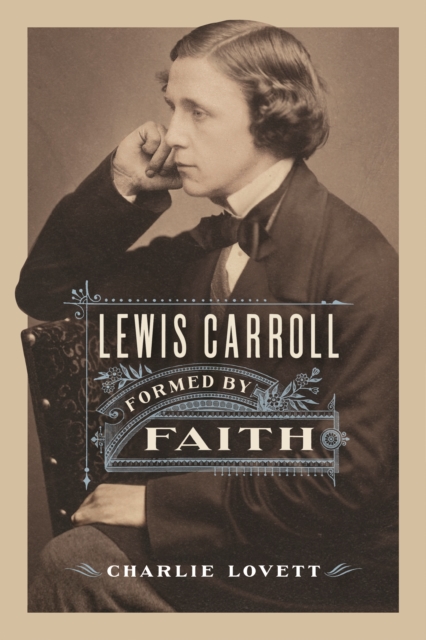
For Lewis Carroll, a deacon in the Church of England, faith in Christ and belief in a loving God stood at the core of his being, but little has been written about what the church or faith meant to the celebrated author of the Alice books.
While acknowledging the inherent tension between evangelicals who emphasize theological propositions and those who emphasize personal experience, Alister McGrath believes that spirituality represents the interface between ideas and life, between Christian theology and human existence.
Hospice chaplains have traditionally played a unique part in palliative care, providing human compassion and support to help ease life's final chapter.
Most parents have no trouble telling their children how to dress, drive, study, or shave, but struggle to talk with them about how best to live-about real love, faith, integrity, values, true enrichment, and success.
The decline of institutionalized religion in the increasingly secularized West has been offset by the contemporary spiritual development understood in the form of emerging New Age movements.
In these essays on the dialogue between science and Christian faith, Barbara Brown Taylor describes her journey as a preacher learning what the insights of quantum physics, the new biology, and chaos theory can teach a person of faith.
Once asked to explain how he had sustained himself over so many years of struggle, Cesar Chavez responded: "e;I don't think I could base my will to struggle on cold economics or some political doctrine.
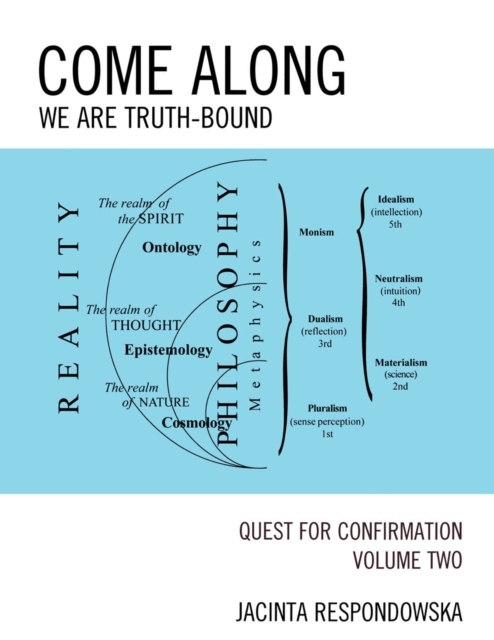
Quest for Confirmation, the second volume of the series Come Along: We Are Truth-Bound, is a cross-examination of the concepts derived in Volume One, A Dialogue and Dialectic: Bridging the Great Epistemic Divides.
Mutual understanding between the faithful of the world's great religions is no longer a luxury; all over the world, religions are challenged to find common ground in the cause of peace and justice, and in the face of war and exploitation.
From Ecclesiastes to Simone Weil: Varieties of Philosophical Spirituality reads major philosophers from the Western philosophical canon and beyond for the spirituality implicit in their metaphysics, epistemology, ethics, aesthetics, and logic.
Most parents have no trouble telling their children how to dress, drive, study, or shave, but struggle to talk with them about how best to live-about real love, faith, integrity, values, true enrichment, and success.
In late 20th-century India, Christian-Hindu dialogue was forever transformed following the opening of Shantivanam, the first Christian ashram in the country.
Publishing on the 50th anniversary of the opening of St Christopher's Hospice - widely thought of to be the first modern hospice, combining pain and symptom management with education and training - this edited collection discusses what motivates professionals and volunteers to provide spiritual care.
This innovative and sensitive guide to providing spiritual care to people with dementia features original methods drawn from the author's experiences of working with over 1,000 individuals with dementia.
A valuable resource that will give students a fresh look at how Americans view the afterlife, helping readers understand how it's depicted in popular culture.
Created to counteract the spiritual imbalance that MI can cause, the Moral Injury Reconciliation (MIR) methodology is a 9-week, 3-phased spiritual care treatment, for Veteran and family transformation.
This thoughtful book brings together some of the best psychological and spiritual thinkers to ponder evidence-based reflections about the development and nurturance of compassion.
The New York Times has described James Martin as maybe "e;the only Jesuit priest with a degree from the Wharton School,"e; and in the wake of our current economic crisis, the story of his remarkable journey from corporate America to the Society of Jesus couldn't be more timely.
One of the important ecclesial developments over the last century has been the extraordinary rediscovery, retrieval and reinvigoration of the Christian contemplative tradition, a recovery that has been extraordinarily influential Theologians have begun to explore how aspects of the Christian contemplative tradition challenge certain prevalent views about the nature of God, the world, and persons, but this contemplative renaissance also raises crucial questions about a variety of more philosophical arenas such as how we construe the relationship between faith and reason, religious epistemology, theological metaphysics, philosophical hermeneutics and so forth.
Spirituality, religious belief and inclusive faith communities are important for mental well being but mental health practitioners have few guidelines for acknowledging these issues when working with service users.
Dying, Bereavement and the Healing Arts describes a range of successful programmes pioneered by artists, writers, nurses, musicians, therapists, social workers, and chaplains in palliative care settings.
This is a well-written and useful book, particularly for those healthcare professionals who, with a little more confidence, and perhaps some Chaplaincy support, are well able to support their patients on their spiritual journeys.
Spiritual Growth and Care in the Fourth Age of Life explores the spiritual dimension of ageing and investigates the role of pastoral and spiritual care in helping the frail elderly cope with end-of-life issues.
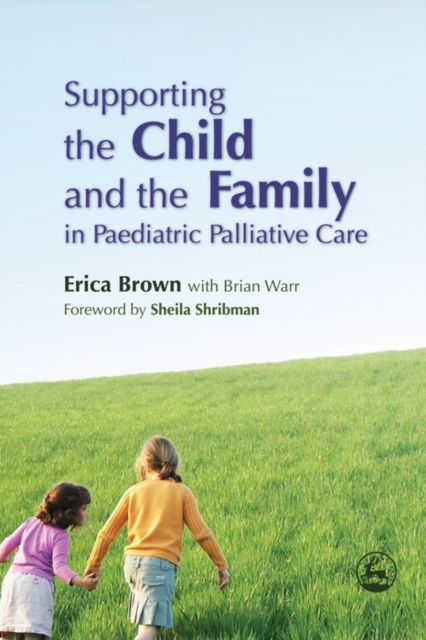
Supporting the Child and the Family in Paediatric Palliative Care provides a comprehensive overview of good practice in caring for terminally-ill children, young people and their families.