A broad, systematic account of one of the most original and creative kabbalists, biblical interpreters, and Talmudic scholars the Jewish tradition has ever produced Rabbi Moses b.
From a world-renowned painter, an exploration of creativity's quintessential-and often overlooked-role in the spiritual life Written over thirty years of painting and creating in his studio, this book is Makoto Fujimura's broad and deep exploration of creativity and the spiritual aspects of "e;making.
The first English translation of The Life of Christina of Hane, a gripping account of a largely unknown medieval female mystic The thirteenth-century mystic Christina of Hane led an extraordinary life, but her recently unearthed case remains to be discovered in the English-speaking world.
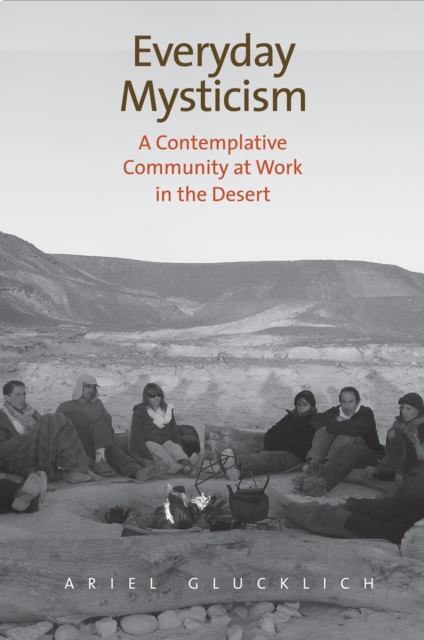
A scholar’s experiences inside a contemplative working community in Israel’s Negev desert In this thoughtful and enlightening work, world renowned religion scholar Ariel Glucklich recounts his experiences at Neot Smadar, an ecological and spiritual oasis that has been thriving in the arid Southern Israeli desert for a quarter century.
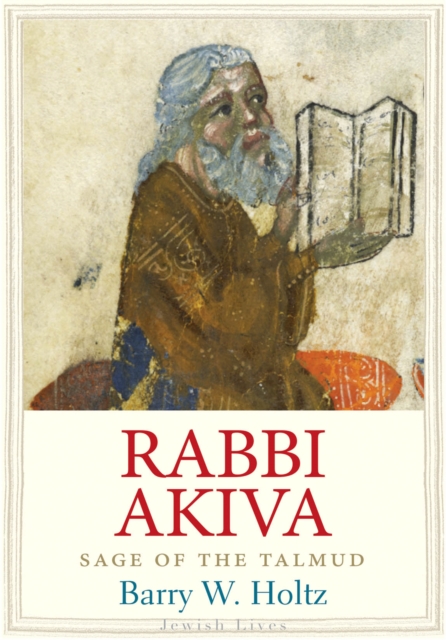
From the prizewinning Jewish Lives series, a compelling and lucid account of the life and teachings of a founder of rabbinic Judaism and one of the most beloved heroes of Jewish history Born in the Land of Israel around the year 50 C.
This mirror for princes sheds light on the relationship between spiritual and political authority in early modern Egypt This guide to political behavior and expediency offers advice to Sufi shaykhs, or spiritual guides, on how to interact and negotiate with powerful secular officials, judges, and treasurers, or emirs.
Winner of the 2015 Louisville Grawemeyer Award in Religion and of the 2011 American Academy of Religion Award for Excellence, Constructive-Reflective Study "[A] theological masterpiece.
Winner of the 2016 Goldstein-Goren Award for the best book in Jewish Thought At once a study of biblical theology and modern Jewish thought, this volume describes a “participatory theory of revelation” as it addresses the ways biblical authors and contemporary theologians alike understand the process of revelation and hence the authority of the law.
In this original study, Moshe Idel, an eminent scholar of Jewish mysticism and thought, and the cognitive neuroscientist and neurologist Shahar Arzy combine their considerable expertise to explore the mysteries of the Kabbalah from an entirely new perspective: that of the human brain.
In this wide-ranging discussion of Kabbalah—from the mystical trends of medieval Judaism to modern Hasidism—one of the world’s foremost scholars considers different visions of the nature of the sacred text and of the methods to interpret it.
In his work Andreas Bergman delves into the depths of Martin Chemnitz's theological legacy, focusing on the often-neglected topic of the certainty of salvation.
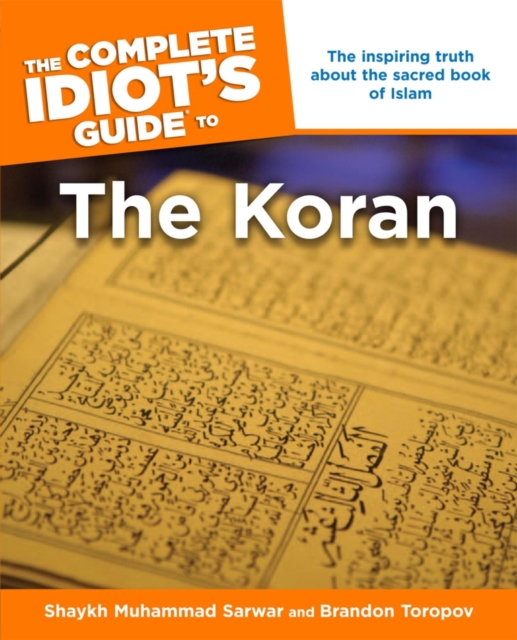
Taking the same approach as the bestselling The Complete Idiot's Guide to the Bible, this book presents a balanced overview of the Koran, explaining not only the 'flow' of the Koran, but also what it has to say about Allah and humanity, virtue, justice, life on earth, the afterlife, women, love, unbelievers, faith, and tradition.
1924 wurde das Frankfurter Institut für Sozialforschung eröffnet, von dem eine sozialphilosophische Strömung ausging, die als »Frankfurter Schule« bezeichnet wird.
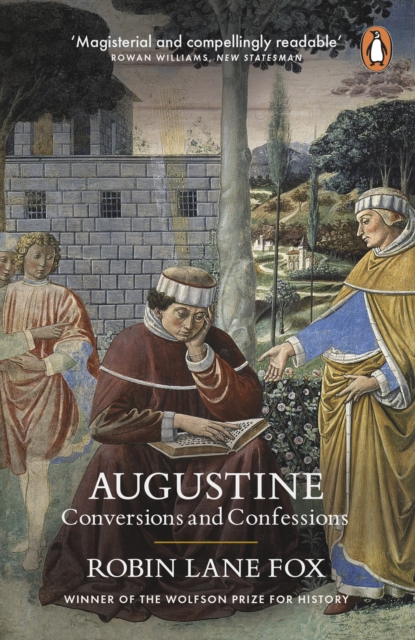
A major new interpretation of how one of the great figures of Christian history came to write the greatest of all autobiographiesAugustine is the person from the ancient world about whom we know most.
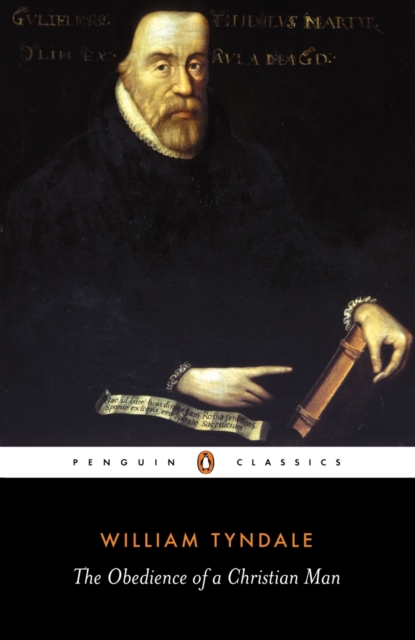
One of the key foundation books of the English Reformation, The Obedience of a Christian Man (1528) makes a radical challenge to the established order of the all-powerful Church of its time.
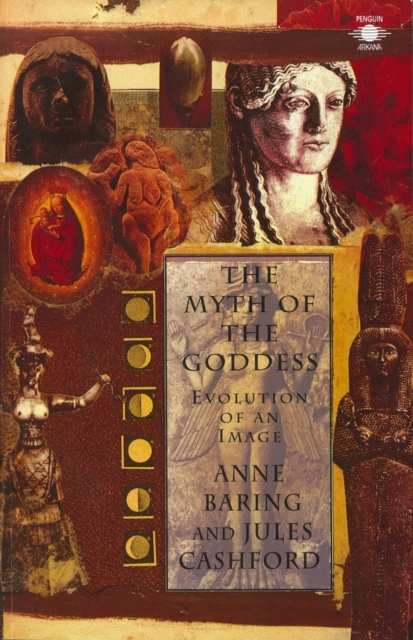
A comprehensive, scholarly accessible study, in which the authors draw upon poetry and mythology, art and literature, archaeology and psychology to show how the myth of the goddess has been lost from our formal Judeo-Christian images of the divine.
Kommentare zu:EG 169 Der Gottesdienst soll fröhlich seinEG 222 Im Frieden deinEG 267 Herr, du hast darum gebetetEG 288 Nun jauchzt dem Herrn, alle WeltEG 294 Nun saget Dank und lobt den HerrenEG 320 Nun lasst uns Gott, dem HerrenEG 321 Nun danket alle GottEG 326 Sei Lob und Ehr dem höchsten GutEG 372 Was Gott tut, das ist wohlgetanEG 385 Mir nach, spricht Christus, unser HeldEG 396 Jesu, meine FreudeEG 432 Gott gab uns Atem, damit wir lebenEG 443 Aus meines Herzens GrundeEG 473 Mein schönste ZierEG 499 Erd und Himmel sollen singenEG 513 Das Feld ist weiß
The writings in this volume cast a glimmer of light upon the emerging traditions and organization of the infant church, during an otherwise little-known period of its development.
Founding father of the famous monastery on the island of Iona, a site of pilgrimage ever since his death in 597, St Columba was born into one of the ruling families in Ireland at a time of immense expansion for the Irish Church.
A groundbreaking account of how the Book of Exodus shaped fundamental aspects of Judaism, Christianity, and IslamThe Book of Exodus may be the most consequential story ever told.
A book that challenges our most basic assumptions about Judeo-Christian monotheismContrary to popular belief, Judaism was not always strictly monotheistic.
Peter Enns is brilliant at taking the big topics, those Christian ideas that usually scare us or intimidate us or worry us, and then make those very places a meeting place with a God who is bigger and wilder and more wonderful and trustworthy than we ever could have guessed.
Zum Jahr des Reformationsjubiläums 2017 wird vielfältig an die vier grundlegenden evangelischen Grundsätze angeknüpft: Christus allein – allein die Schrift – allein aus Gnaden – allein im Glauben.
This book integrates secular literature such as psychology, sociology, management, and organization studies with Christian and spiritual biblical literature.
Exegesis has long been characterized by a broad disciplinary diversity, but also ambiguity - combining biblical studies, exegesis, early Jewish studies, early Christian studies, Ancient Near Eastern studies, Greco-Roman, and classical studies in various ways.
This book seeks to map out the parameters and boundaries of soulful aging and explores philosophical and theological perspectives on the way we grow older.