The synagogue remains a central institution in Jewish life as a place of study, worship, and assembly, but each day brings word of a new challenging development within each of the larger movements to which synagogues belong-Orthodox, Conservative, Reform, and Reconstructionist.
Used successfully in Episcopal dioceses and congregations, Total Ministry describes a new way for local congregations (especially small ones) and judicatories to organize their response to God's call and to provide resources, support, and encouragement for ministry-a way that is not dependent only on full-time, seminary-trained, ordained leaders.
Congregations cannot exist without finances, priorities, leadership, worship, and decision making, yet these five aspects breed the most conflict between church members and clergy.
Field education is an opportunity for students to develop ministry skills, practice ministerial reflection, discern their call, experience professional collegiality, and undergo personal transformation.
Parsons and Leas have created an important tool for congregational leaders in this application of systems theory to evaluating a congregation's life and readiness for change.
Discover inspiring, practical ways your board can make its meetings become opportunities for deepening faith, developing leadership, and church renewal.
Many congregations today experience collisions between parents who ant to spend time with their children and age-segregated church programming, as well as between the children worshiping in their pews and the increasing number of seniors in the same pew.
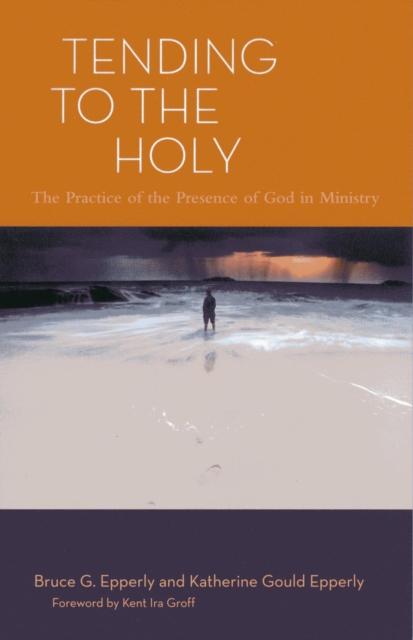
Tending to the Holy: The Practice of the Presence of God in Ministry invites pastors to embody their deepest beliefs in the routine and surprising tasks of ministry.
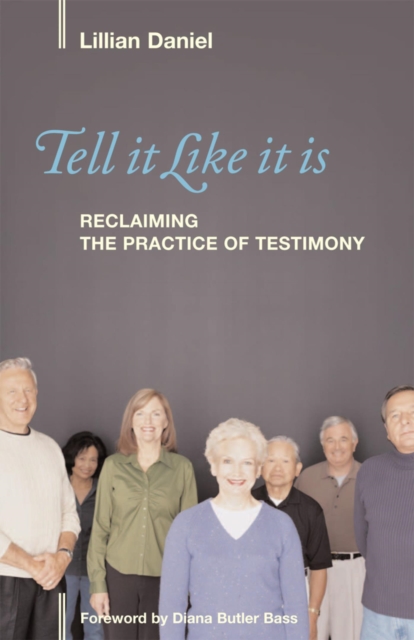
Lillian Daniel shares how her congregation re-appropriated the practice of testimony one Lenten season, a practice that would eventually revitalize their worship and transform their congregational culture.
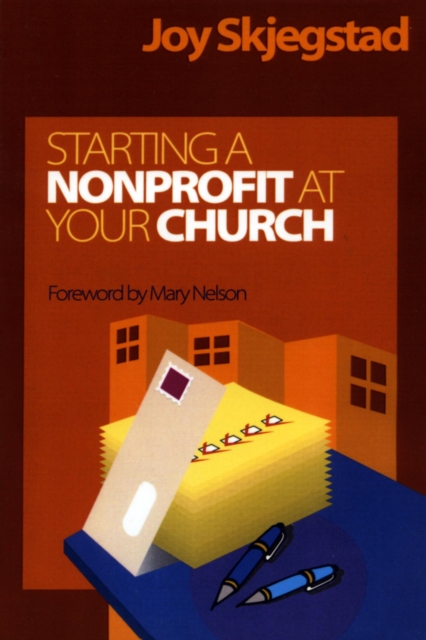
A large and growing number of congregations are setting up church-based nonprofit organizations in order to operate community development or educational programs.
Listeners do love their pastors and they agree with the sermon content they hear,' Lori Carrell once explained to a group of pastors, 'but most sermons don't ask for change, and most listeners don't experience spiritual growth as a result of the sermon.
Our culture has undergone a major shift: younger generations have less and less interest in the printed word as they become predominantly image oriented.
Mead explores what church growth and evangelism really mean in a time when it is mathematically impossible for every congregation to achieve significant numerical growth.
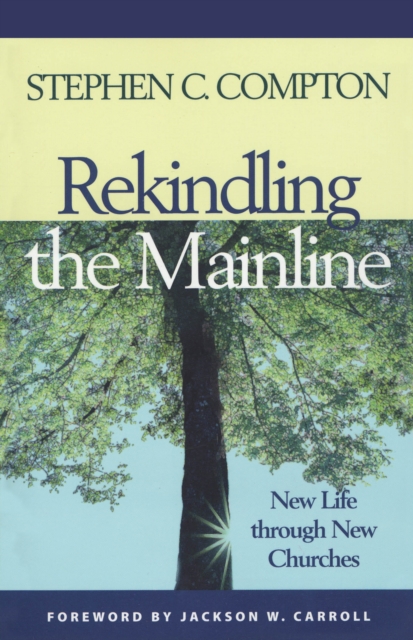
Not only do new church starts in significant numbers bring systemic change and renewal to mainline denominations, but new church development brings similar change to individual aging congregations in their vicinity.
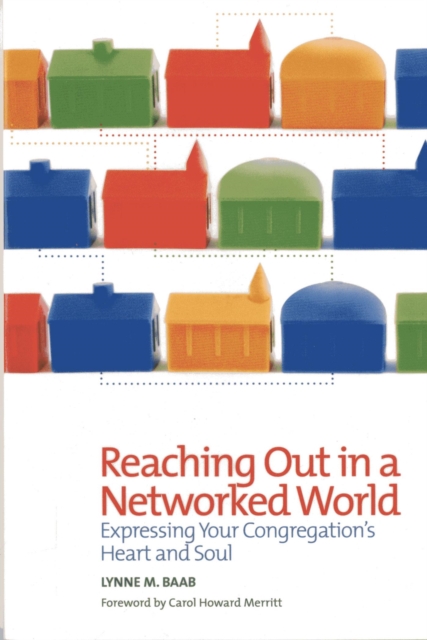
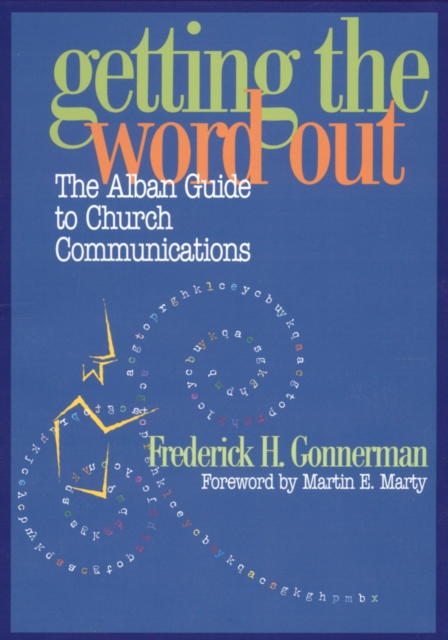
A congregation communicates its heart and soul through words, photos, actions, programs, architecture, decor, the arts, and countless other aspects of congregational life.
Congregations cannot exist without finances, priorities, leadership, worship, and decision making, yet these five aspects breed the most conflict between church members and clergy.
Projects That Matter introduces project leaders and teams to the five basic elements of project design and describes in detail a six-step process for designing and implementing a project evaluation and disseminating evaluation findings.
"e;Today we are awash in computerized Bible games, pastoral care software, and church management systems with members' personal information and giving records,"e; observe authors Spiegel, Armstrong, and Bill, but "e;too often we blindly accept and use technology without asking the big questions.
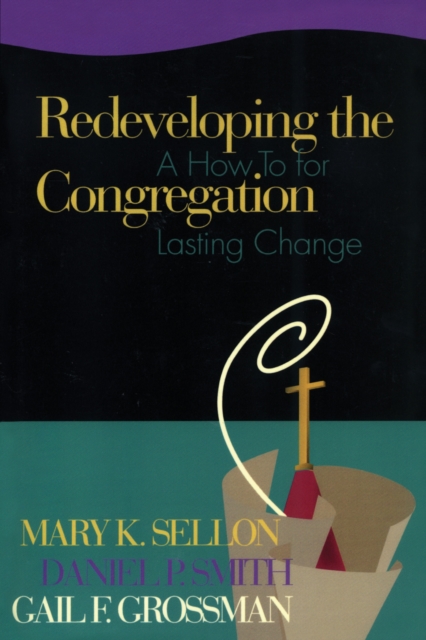
In this profound yet practical book, Mary Sellon and Daniel Smith make the case that the health of churches and synagogues depends on congregations learning how to live out love in "e;right relationships.
Pastor & author, Lynne Baab "e;offers readers a useful tool to understand both their own spiritual journeys and their role in the life of their chosen spiritual community"e;.
Twenty years after Critical Moment of Ministry was first published, Loren Mead returns to his groundbreaking work on one of the most important times in a congregation's life-the time between one pastor's leaving and another's arrival.
Roy Oswald, who ministers to pastors with great compassion, perceptiveness, and skill, now brings eight more years of field experience to an updated edition of "e;New Beginnings.
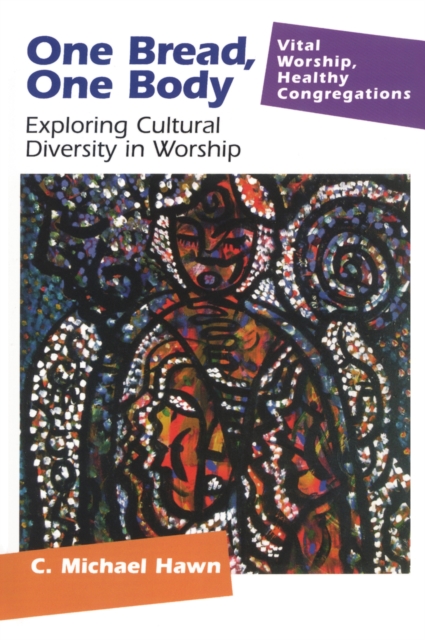
As a troubadour for global music and an instigator of cross-cultural worship for more than 15 years in a variety of denominational settings, including congregational, national, and international venues, Michael Hawn has observed many faithful people who find that a taste of Pentecost in worship is refreshing and invigorating.
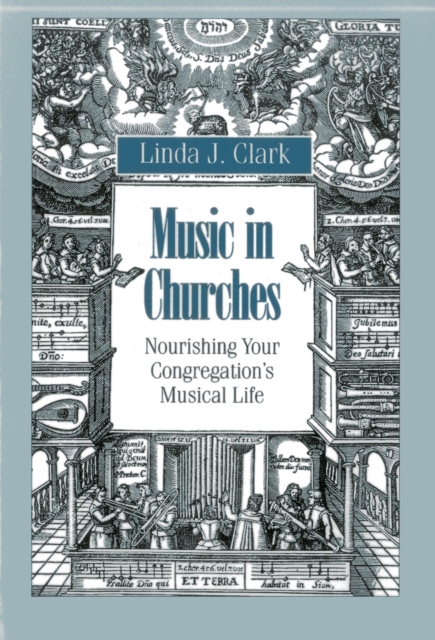
Clergy, worship or music committees, organists, and choir or music directors will find this a practical and invaluable guide to the role and power of music to express and form faith.
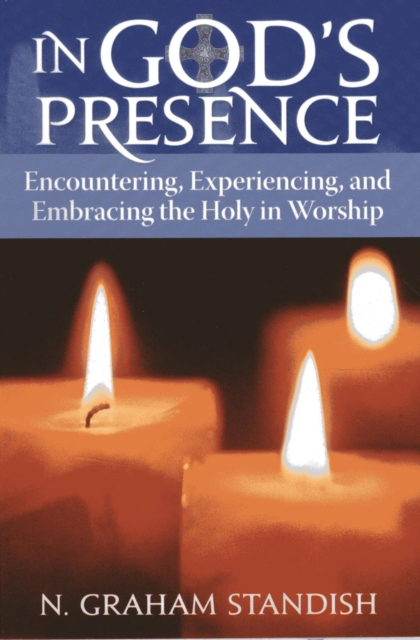
Vibrant worship services, argues creative and provocative author Graham Standish, are those in which the congregation obviously asks questions such as: Does our worship help people experience God?
High quality publications and public relations will enhance a congregation's overall ministry by promoting strong stewardship, effective evangelism, and exciting parish education.