Melvin traces the emergence and development of the motif of angelic interpretation of visions from late prophetic literature (Ezekiel 4048; Zechariah 16) into early apocalyptic literature (1 Enoch 1736; 7282; Daniel 78).
It is widely recognized that in some of his letters, Paul develops a Christology based on a comparison between Adam and Christ, and that this Christology has antecedents in Jewish interpretation of Genesis 14.
Applying a comprehensive theory of character to the Gospel of John, Cornelis Bennema provides a fresh analysis of both the characters and their responses to Jesus.
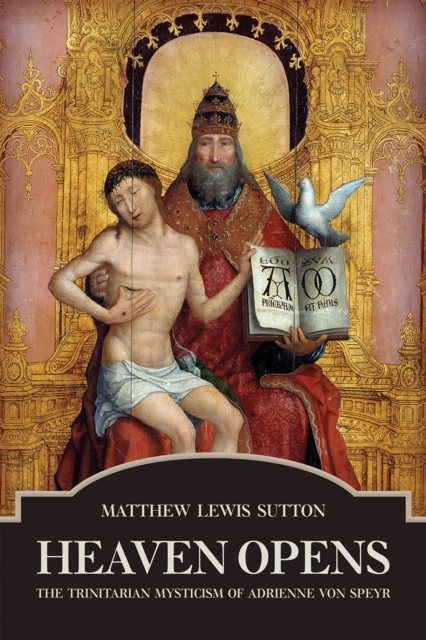
As one of the pillars of the nouvelle thologie movement, a main influence upon the Second Vatican Council, and one of the few figures to complete a full-scale multi-volume systematics, Hans Urs von Balthasar is undoubtedly one of the towering figures of twentieth-century theology.
The language of exile, focused with theological and biblical narratives and coupled with depictions of real-life exilic communities, can equip church leaders as agents in the creation of new communities.
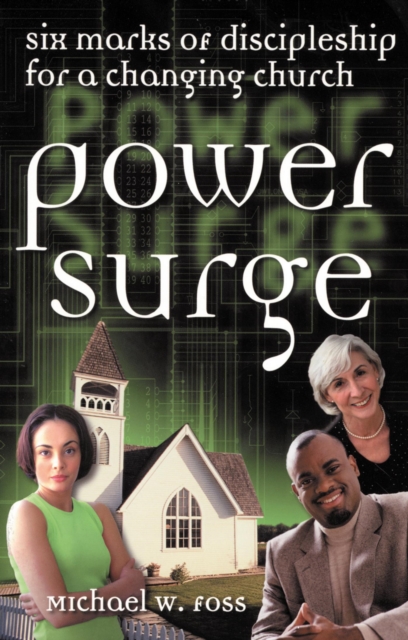
Drawing on his experience at Prince of Peace Lutheran Church, Foss makes the case for transforming congregations from a membership model to a discipleship model of church affiliation.
Arguing for a retrieval of the landmark work, Gods Fierce Whimsy, Stina Busman Jost establishes the critical importance of this volume for the construction of a dialogic theological method.
The problem of creation and grace has a long history of contention within Protestant and Catholic theology, involving not only internecine conflict within the traditions but fueling, as well, ecumenical debates that have continued a dogmatic divide.
Sallie McFague offers a lucid and powerful guide to theological thinking about God and the world, individual and community, humanity and nature, reality and metaphor, the sacramental and the prophetic, and the critical issue of climate change for today’s world.
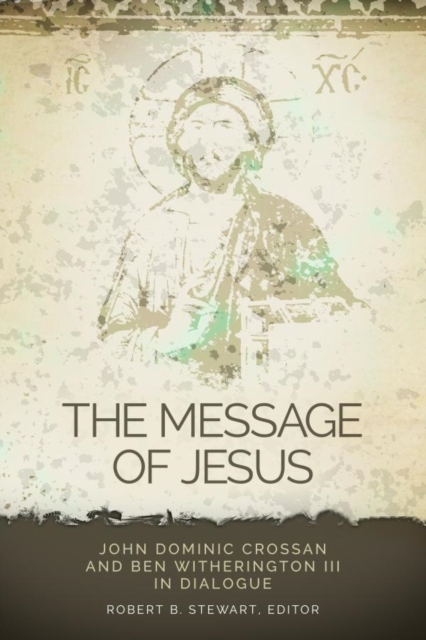
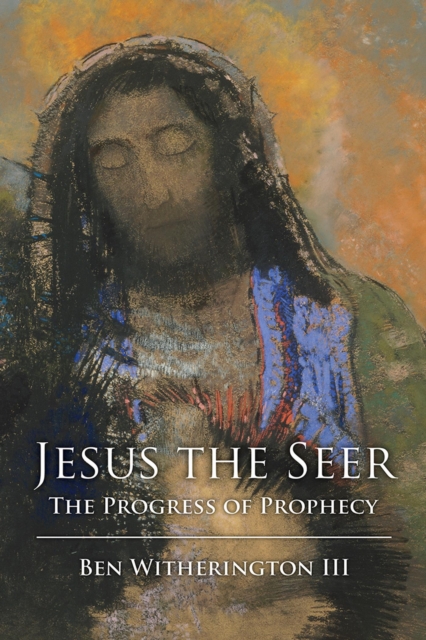
John Dominic Crossan and Ben Witherington III, along with a group of diverse scholars, explore points of agreement and disagreement on the message of Jesus.
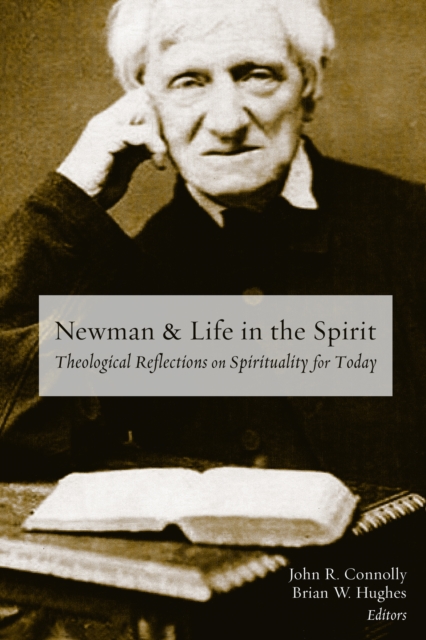
John Henry Newman is one of the most beloved and well-known British theologians, an instrumental figure in the Oxford Anglican movement of the nineteenth century and an infamous convert to Roman Catholicism.
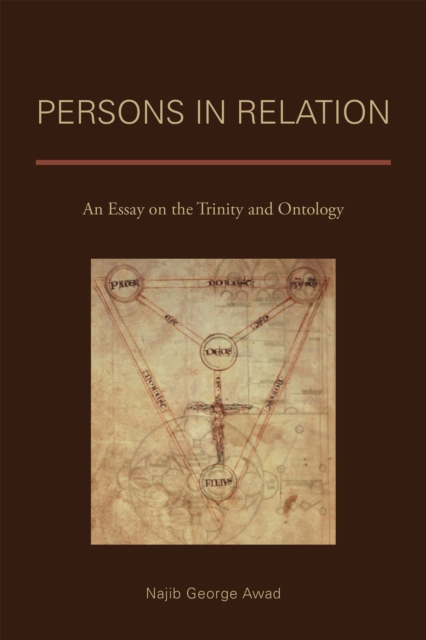
The recent 'turn to the Trinity' in modern and contemporary systematic theology has been inundated with models and proposals for construing the concepts of personhood, persons, and relations in connection to a proper understanding of the Trinity.
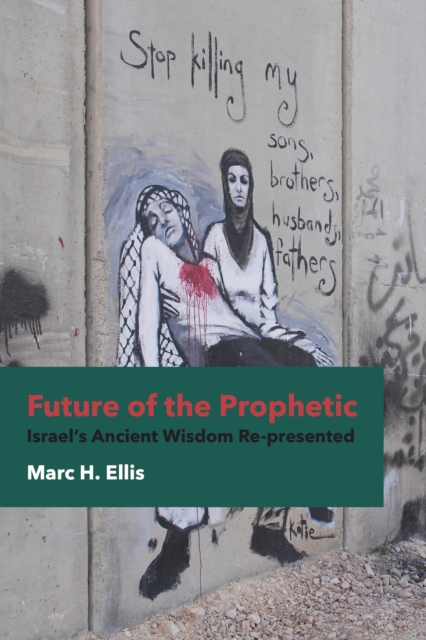
Future of the Prophetic argues that in the persistence of the prophetic, the legacy of the ancient Jewish world spread beyond the boundaries of the Jewish community and took root throughout the world.
Increasingly, scholars recognize that prophetic traditions, expressions, and experiences stand at the heart of most religions in the ancient Mediterranean world.
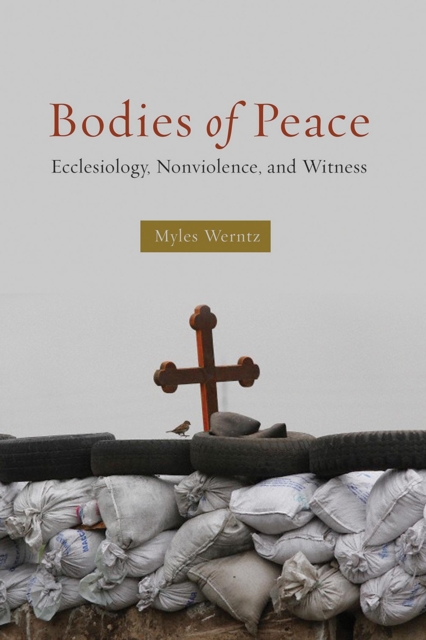
This book argues that Christian nonviolence is both formed by and forms ecclesial life, creating an inextricable relationship between church commitment and resistance to war.
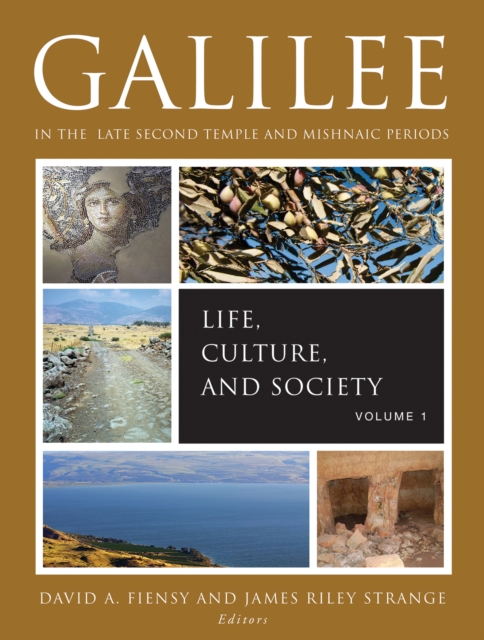
Drawing on the expertise of archaeologists, historians, biblical scholars, and social-science interpreters who have devoted a significant amount of time and energy in the research of ancient Galilee, this accessible volume includes modern general studies of Galilee and of Galilean history, as well as specialized studies on taxation, ethnicity, religious practices, road systems, trade and markets, education, health, village life, houses, and the urban-rural divide.
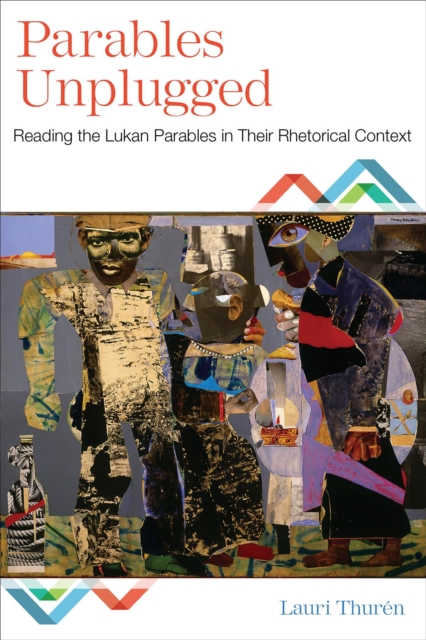
For far too long, Lauri Thuren argues, the parables of Jesus have been read either as allegories encoding Christian theology—including the theological message of one or another Gospel writer—or as tantalizing clues to the authentic voice of Jesus.
Memory and Covenant applies new insights into the meaning and function of social memory to analyze the two major “religions” of the Pentateuch (D and P) and their relationship to one another.
David Schnasa Jacobsen draws together the strengths of two exegetical approaches to the Gospel of Mark in this volume of the Fortress Biblical Preaching Commentaries series.
Naturally Human, Supernaturally God focuses upon a theological subject matter whose provenance not only spans both periods of the twentieth century, but the whole history of Christianity.
In this comprehensive, practical, and gripping assessment of various forms of violence against women, Pamela Cooper-White challenges the Christian churches to examine their own responses to the cry of Tamar in our time.
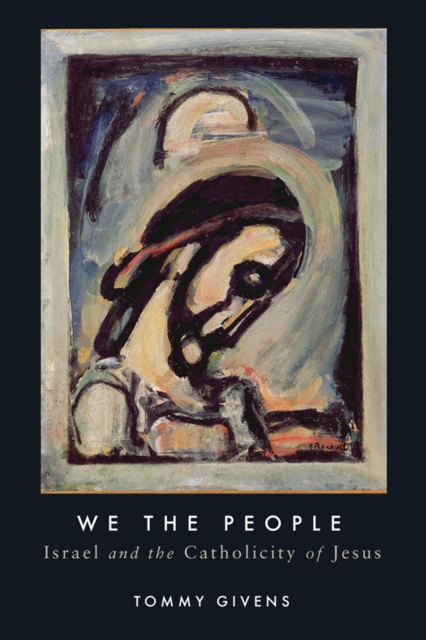
We the People explores John Howard Yoders account of peoplehood and develops an appreciative revision that considers the politics of Jesus in relation to the people of Israel.
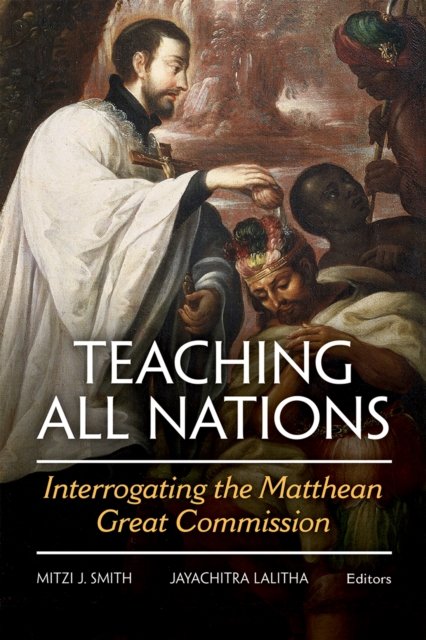
That Christian missionary efforts have long gone hand-in-hand with European colonization and American imperialist expansion in the nineteenth and twentieth centuries is well recognized.
Amid competing portrayals of the "e;cynic Jesus,"e; the "e;peasant Jesus,"e; and the "e;apocalyptic Jesus,"e; the "e;political Jesus"e; remains a marginal figure.
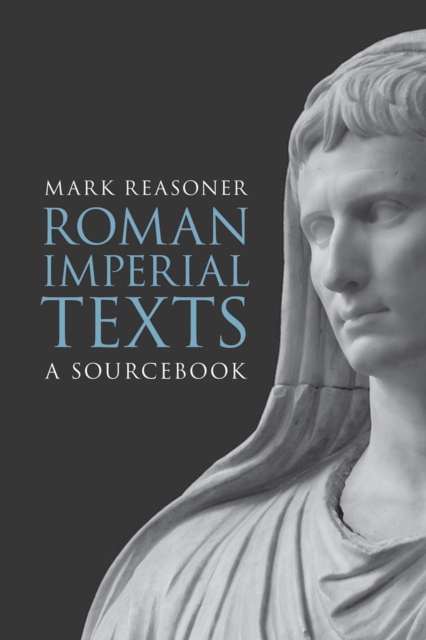
A selection of the most important sources for the cultural and political context of the early Roman Empire and the New Testament writings, Roman Imperial Texts includes freshly translated public speeches, official inscriptions, annals, essays, poems, and documents of veiled protest from the Empire’s subject peoples —all introduced by Mark Reasoner.
At the origin of the Watchers tradition is the single enigmatic reference in Genesis 6 to the sons of God who had intercourse with human women, producing a race of giants upon the earth.