Recognizing the Gift puts twentieth-century Catholic theological conversations on nature and grace, particularly those of Henri de Lubac and Karl Rahner, into dialogue with Continental philosophy, notably the thought of Jean-Luc Marion and Paul Ricoeur.
Since the mid-twentieth century, apocalyptic thought has been championed as a central category for understanding the New Testament writings and the letters of Paul above all.
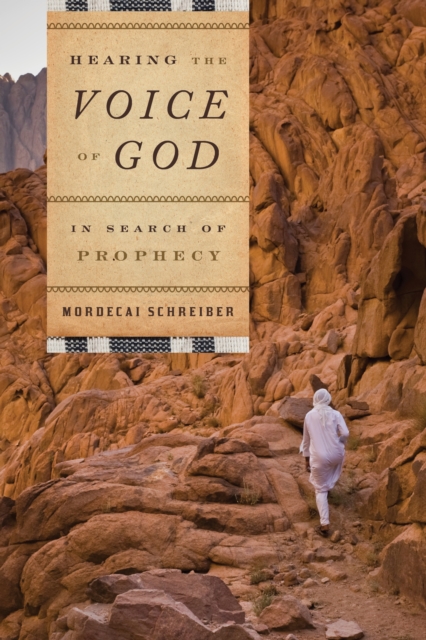
Both traditions recognize and draw theological and historical lessons from some of the same narrative sources, but this is the first comparative resource to provide interdisciplinary coverage of the history and textual sources associated with prophets and prophecy.
Often, readers and commentators read the Proverbs as timeless observations and recommendations regarding human nature, valid for all cultures and places.
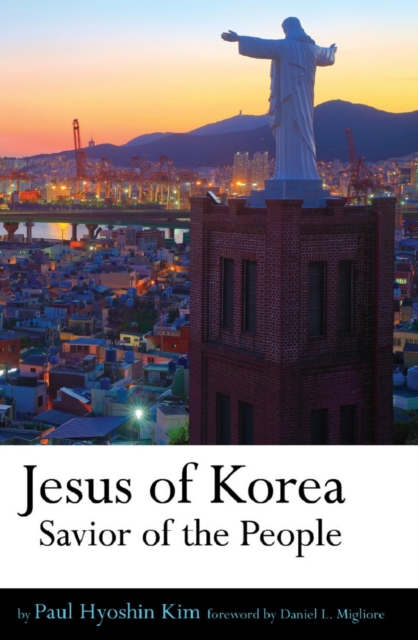
In 2010, nearly 30 percent of South Koreans—a country with a Confucian tradition over 1000 years old—identify as Christian, the largest percentage of Christians in an Asian nation, aside from the Philippines.
Last Call for the African-American Church revisits the commandment Jesus left his followers to proclaim the gospel worldwide until his return, one that by all accounts is no longer a priority in the contemporary African-American church.
Abortion in Mexico: A History concisely examines the long history of abortion from the early postcontact period through the present day in Mexico by studying the law, criminal and ecclesiastical trials, medical texts, newspapers, and other popular publications.
Covering the major monotheistic religions-Christianity, Judaism, and Islam-as well as selected Eastern religions and Baha'i, Zoroastrianism, and Mormonism, this cross-cultural book offers excerpts of sacred texts and interprets passages to enable a deeper understanding of these religious writings.
When Race, Religion, and Sport Collide tells the story of Brandon Davies' dismissal from Brigham Young University's NCAA playoff basketball team to illustrate the thorny intersection of religion, race, and sport at BYU and beyond.
Covering religious traditions ranging from Buddhism to Christianity to Zoroastrianism and modern apocalyptic movements such as Arun Shinrikyo and the Branch Davidians, this book addresses prophesied end of days from a breadth of perspectives and includes material on often-neglected themes and genres.
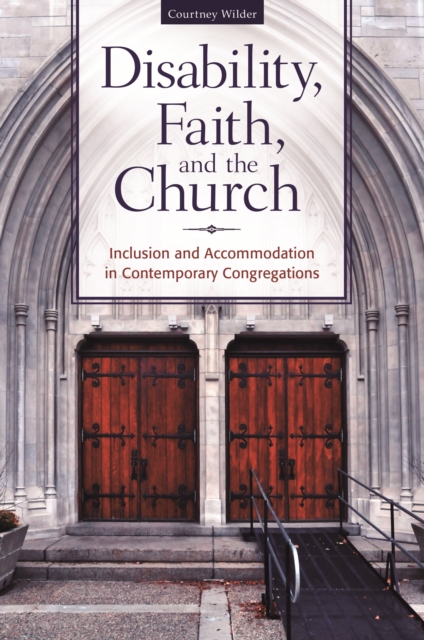
Including both theoretical discussions and practical information for congregational use or pastoral use, this rich, accessible book explores biblical text, historical and theological issues of disability, and examples of successful ministry by people with disabilities.
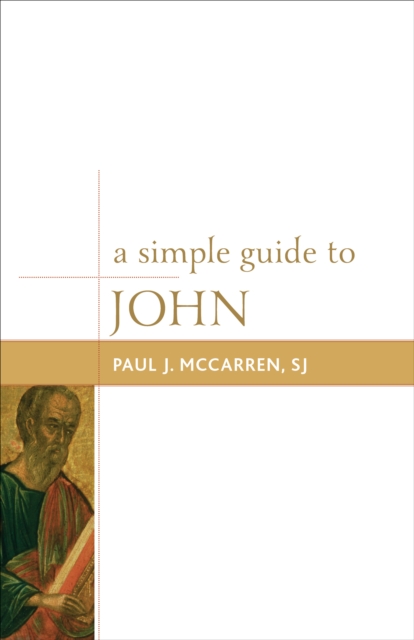
The Gospel writers state they aim to tell the story of Jesus in a clear manner, but throughout Paul McCarren's years in ministry, he has seen that these simple and important messages are too often missed.
In an age when technology is making our world feel increasingly small and far-flung peoples are interacting with each other more regularly than at any other time in history, the common threads running through vastly different civilizations are not only more obvious but more important to our understanding of ourselves as members of the human race.
We live in an age when it is not uncommon for politicians to invoke religious doctrine to explain their beliefs and positions on everything from domestic to foreign policy.
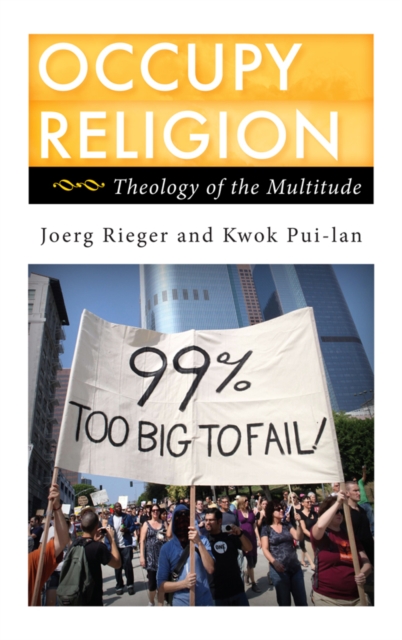
Occupy Religion introduces readers to the growing role of religion in the Occupy Movement and asks provocative questions about how people of faith can work for social justice.
As one of the fastest growing Pagan traditions, Feminist Wicca appeals to many through its emphasis on the deep interconnectedness of life and its focus on the woman's religious experience.
Ethics and Experience introduces students to the key topics in moral theory through provocative moral issues-just war, abortion, physician assisted suicide, the death penalty and more.
In these essays on the dialogue between science and Christian faith, Barbara Brown Taylor describes her journey as a preacher learning what the insights of quantum physics, the new biology, and chaos theory can teach a person of faith.
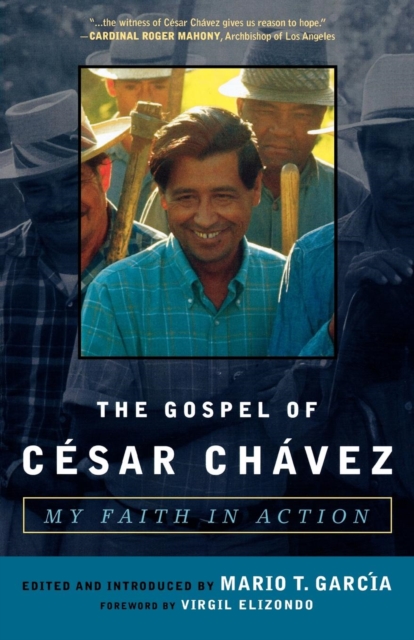
Once asked to explain how he had sustained himself over so many years of struggle, Cesar Chavez responded: "e;I don't think I could base my will to struggle on cold economics or some political doctrine.
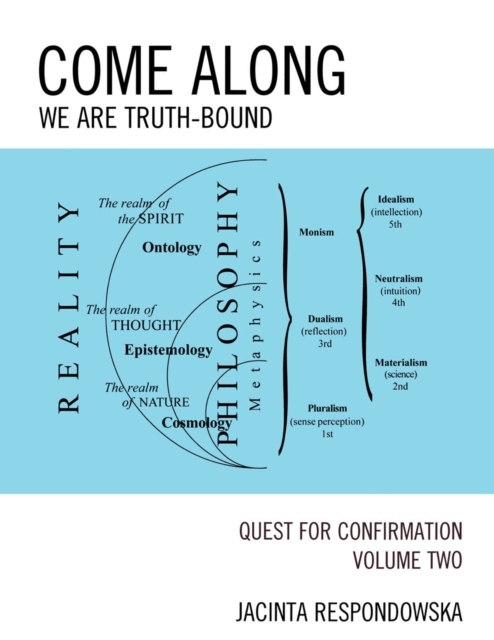
Quest for Confirmation, the second volume of the series Come Along: We Are Truth-Bound, is a cross-examination of the concepts derived in Volume One, A Dialogue and Dialectic: Bridging the Great Epistemic Divides.
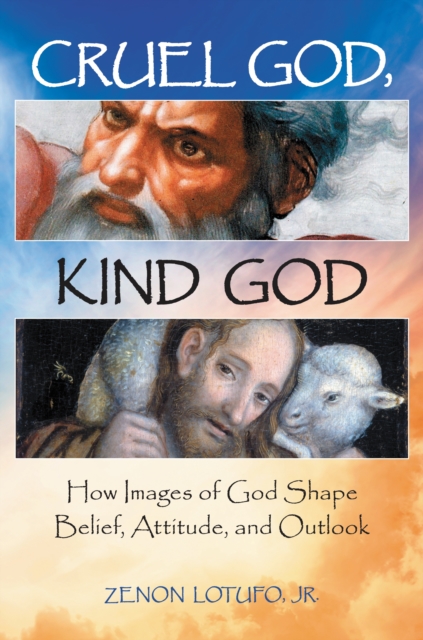
This enlightening analysis of the image of a cruel God sustained by conservative Christianity reveals how this image formed, the psychological effects of this concept, and the ways in which it has guided religious individuals-in both positive and negative ways.
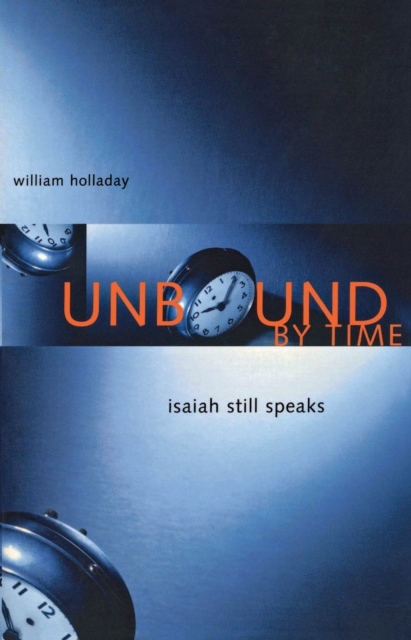
In this timely and highly readable volume, Old Testament scholar William Holladay introduces the reader to the several ways in which Isaiah speaks, from ancient Jewish readings of the text, to Handel's lyrical use of it in his oratorio, Messiah, to the Christian community who has heard it foretelling the life and death of Jesus Christ.