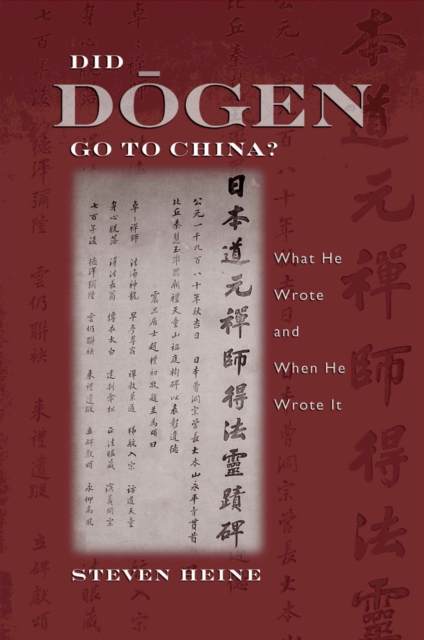
Dogen (1200-1253), the founder of the Soto Zen sect in Japan, is especially known for introducing to Japanese Buddhism many of the texts and practices that he discovered in China.
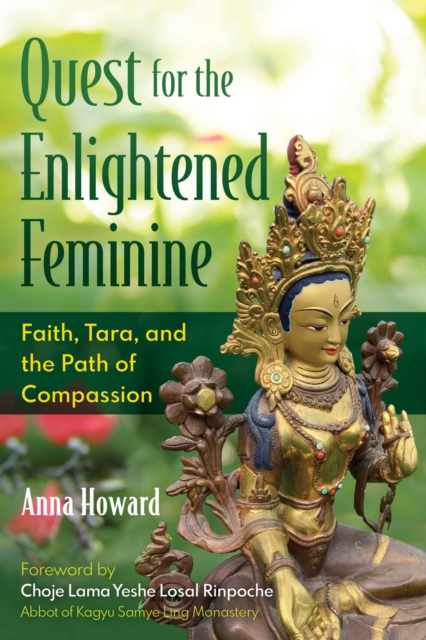
Describes how the author gave up her life of comfort to move to the first Tibetan Buddhist monastery in the West, Kagyu Samye Ling Details her 18-month pilgrimage around the world inspired by the compassion and wisdom of the female Buddha Green Tara and her entourage of 21 emanations Woven throughout with Tibetan Buddhist teachings and methods, including practices with Green Tara and White TaraCan traditional spiritual practices bring about radical change for a happier existence in modern life?
In this Lenten devotional, let Padre Pio guide you through the profound mysteries of the faith, sharing his unique ';way of the Cross' as a spiritual father, warrior, and beloved son of God.
This volume aims to account for the tremendous changes in the attitudes towards the world and towards themselves that can be seen in the works of Chinese writers in the early centuries of the Christian era.
This book provides insights into new developments and persistent traditions in Zen teacher training and education through the use of historical archival research and original interviews with living Zen Masters.
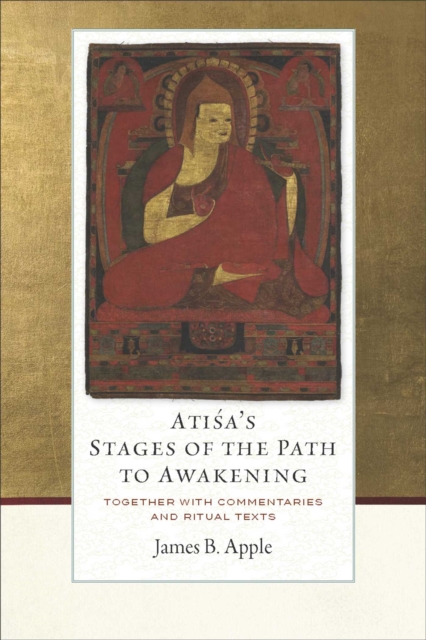
This book contains a lost Stages of the Path (Lamrim) work composed by the originator of the genre, Atisa, one of the greatest Indian Buddhist masters to ever set foot in Tibet.
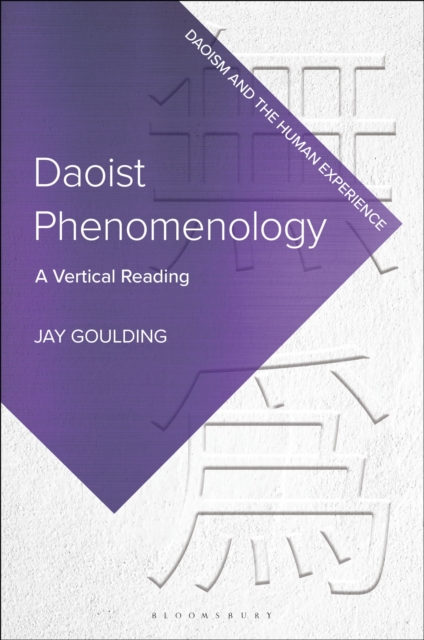
Jay Goulding's Daoist Phenomenology represents a lifelong project of interpolating the works of Martin Heidegger with the interweavings of Daoism and Zen.
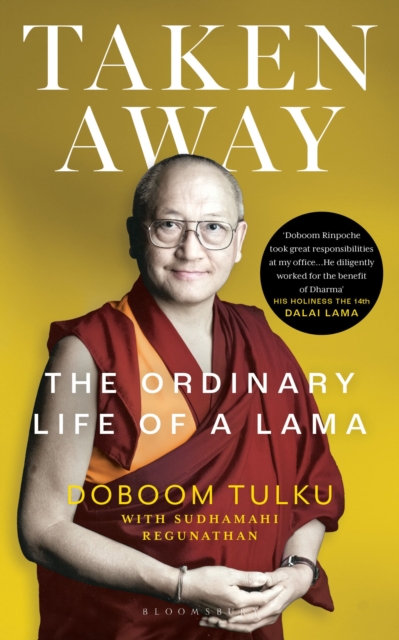
The firstborn of a nomadic couple in Tibet, the child had barely learnt to walk when he was identified as the third reincarnation of Doboom Tulku and taken away from his parents.
Ein Zen-Memoir von Henry ShukmanDer erfolgreiche Romancier und Poet Henry Shukman legt in diesem ergreifend geschriebenen Memoir Rechenschaft ab über seinen persönlichen Heilungsweg.