Tief verborgen in den majestätischen Höhen des Himalayas liegt Tibet – ein Land, dessen spirituelle Landschaft ebenso vielfältig ist wie seine zerklüfteten Berge und sanften Täler.
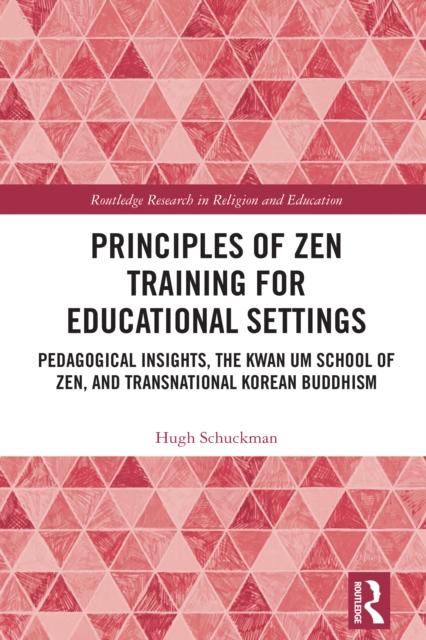
This book provides insights into new developments and persistent traditions in Zen teacher training and education through the use of historical archival research and original interviews with living Zen Masters.
Zen, Meaning, and Craft in Jane Hirshfield's Poetry: Heartshoots is the first scholarly volume to be dedicated to the large body of work produced by North American Zen poet, Jane Hirshfield.
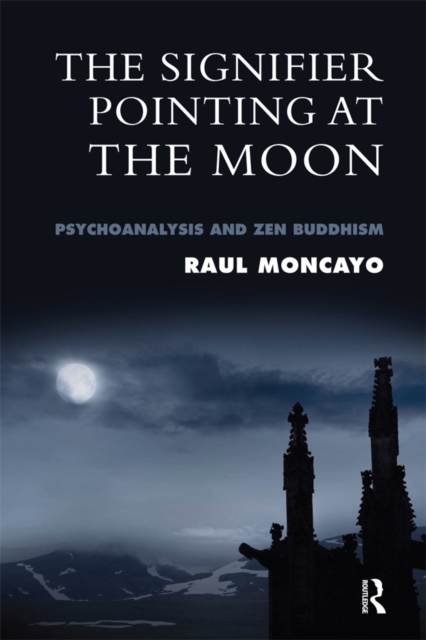
Within the context of a careful review of the psychology of religion and prior non-Lacanian literature on the subject, Raul Moncayo builds a bridge between Lacanian psychoanalysis and Zen Buddhism that steers clear of reducing one to the other or creating a simplistic synthesis between the two.
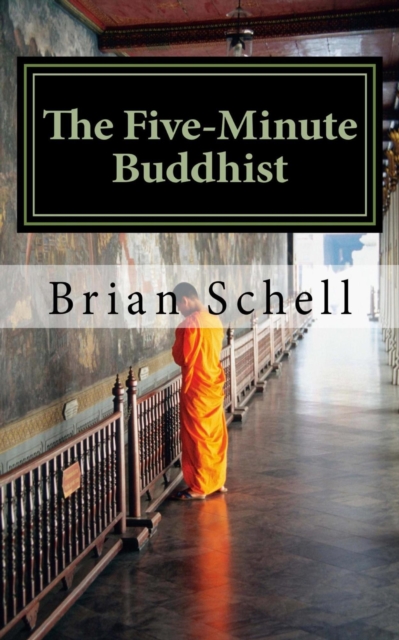
A jargon-free, plain-language introduction to the foundational ideas of Buddhism and real-world tips for practicing Buddhism while balancing life in the real, modern world.
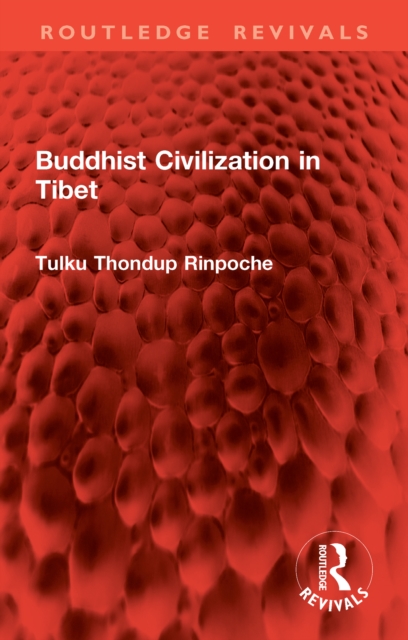
First published in 1987, Buddhist Civilization in Tibet is unique among works in English as it provides a whole range of information on Tibetan religion and literature, with extensive scholarly data, in a compact single volume.
Tauchen Sie ein in die faszinierende Welt der Bonsai-Kunst und entdecken Sie die Weisheit, die in den kleinen, perfekt geformten Bäumen verborgen liegt.
First published in 1987, Buddhist Civilization in Tibet is unique among works in English as it provides a whole range of information on Tibetan religion and literature, with extensive scholarly data, in a compact single volume.