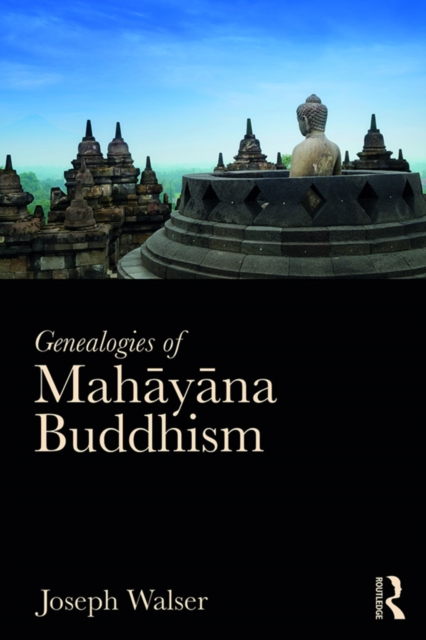
Genealogies of Mahayana Buddhism offers a solution to a problem that some have called the holy grail of Buddhist studies: the problem of the "e;origins"e; of Mahayana Buddhism.
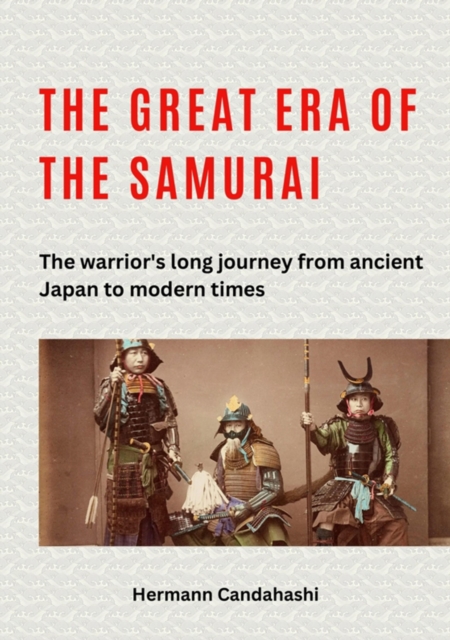
Immerse yourself in the fascinating world of the samurai with "e;The Great Age of the Samurai - The Warrior's Long Journey from Ancient Japan to Modern Times"e;.
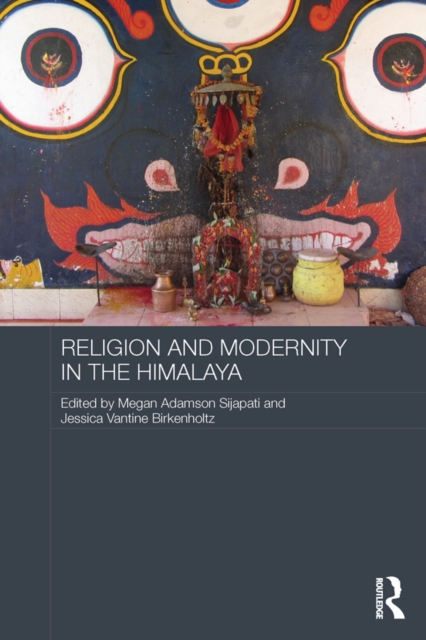
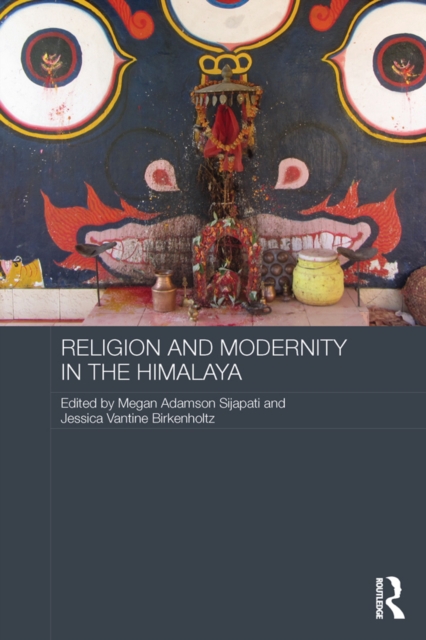
Theravada Buddhism has experienced a powerful and far-reaching revival in modern Nepal, especially among the Newar Buddhist laity, many of whom are reorganizing their lives according to its precepts, practices and ideals.
Theravada Buddhism has experienced a powerful and far-reaching revival in modern Nepal, especially among the Newar Buddhist laity, many of whom are reorganizing their lives according to its precepts, practices and ideals.
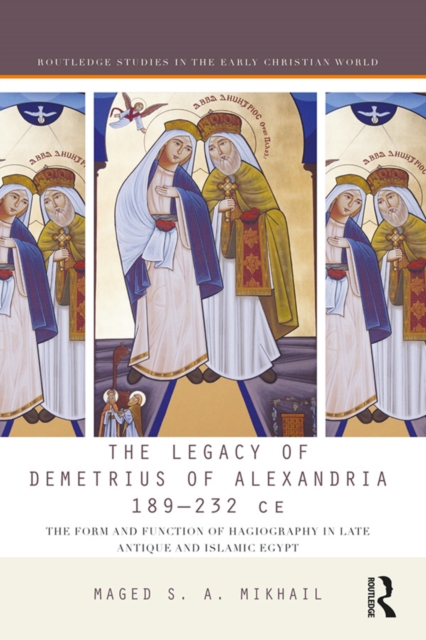
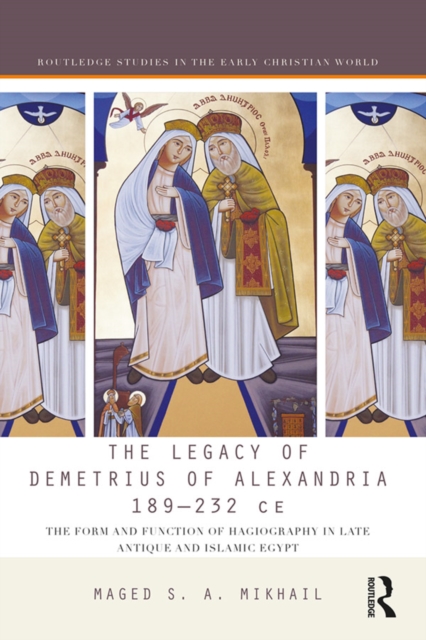
This is the first full-length study of Demetrius of Alexandria (189-232 ce), who generated a neglected, yet remarkable hagiographic program that secured him a positive legacy throughout the Middle Ages and the modern era.
This is the first full-length study of Demetrius of Alexandria (189-232 ce), who generated a neglected, yet remarkable hagiographic program that secured him a positive legacy throughout the Middle Ages and the modern era.
Although recent scholarship has shown that the term 'Theravada' in the familiar modern sense is a nineteenth- and twentieth-century construct, it is now used to refer to the more than 150 million people around the world who practice that form of Buddhism.
Although recent scholarship has shown that the term 'Theravada' in the familiar modern sense is a nineteenth- and twentieth-century construct, it is now used to refer to the more than 150 million people around the world who practice that form of Buddhism.
Peter Chrysologus is the first book to offer an introduction to the life of Peter Chrysologus and a selection of his most important sermons in translation, as well as his letter to Eutyches.
Peter Chrysologus is the first book to offer an introduction to the life of Peter Chrysologus and a selection of his most important sermons in translation, as well as his letter to Eutyches.
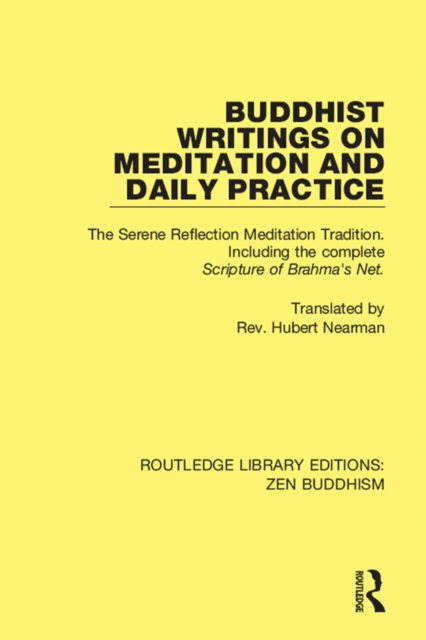
This book, first published in 1994, is a compendium of new translations of certain works regarded as fundamental texts in the Serene Reflection Buddhist Tradition (Soto Zen).
This book, first published in 1994, is a compendium of new translations of certain works regarded as fundamental texts in the Serene Reflection Buddhist Tradition (Soto Zen).
This book, first published as two volumes in 1977 and 1978, was published purely for the purpose of showing how Buddhist training was done by the Reverend Jiyu-Kennett in the Far East.
This book, first published as two volumes in 1977 and 1978, was published purely for the purpose of showing how Buddhist training was done by the Reverend Jiyu-Kennett in the Far East.
A succinct, uncompromising study of what it means to help other people, this book, first published in 1978, examines the helping process in the light of the principles of Zen Buddhism.
A succinct, uncompromising study of what it means to help other people, this book, first published in 1978, examines the helping process in the light of the principles of Zen Buddhism.
Archbishop Michael Ramsey's archiepiscopate from 1961 to 1974 saw profound renegotiations of the relationship of the Church of England with its own flock, with the nation more widely, with the Anglican church worldwide, and with the other Christian churches.
Archbishop Michael Ramsey's archiepiscopate from 1961 to 1974 saw profound renegotiations of the relationship of the Church of England with its own flock, with the nation more widely, with the Anglican church worldwide, and with the other Christian churches.
In the late 1980s and early 1990s, the relative calm world of Japanese Buddhist scholarship was thrown into chaos with the publication of several works by Buddhist scholars Hakamaya Noriaki and Matsumoto Shiro, dedicated to the promotion of something they called Critical Buddhism (hihan bukkyo).
In the late 1980s and early 1990s, the relative calm world of Japanese Buddhist scholarship was thrown into chaos with the publication of several works by Buddhist scholars Hakamaya Noriaki and Matsumoto Shiro, dedicated to the promotion of something they called Critical Buddhism (hihan bukkyo).
This book examines the potential of conducting studies in comparative hagiology, through parallel literary and historical analyses of spiritual life writings pertaining to distinct religious contexts.
This book examines the potential of conducting studies in comparative hagiology, through parallel literary and historical analyses of spiritual life writings pertaining to distinct religious contexts.
Jataka stories (stories about the previous births of the Buddha) are very popular in Theravada Buddhist countries, where they are found in both canonical texts and later compositions and collections, and are commonly used in sermons, children's books, plays, poetry, temple illustrations, rituals and festivals.
Jataka stories (stories about the previous births of the Buddha) are very popular in Theravada Buddhist countries, where they are found in both canonical texts and later compositions and collections, and are commonly used in sermons, children's books, plays, poetry, temple illustrations, rituals and festivals.
The Global Repositioning of Japanese Religions: An Integrated Approach explores how Japanese religions respond to the relativizing effects of globalization, thereby repositioning themselves as global players.
The Global Repositioning of Japanese Religions: An Integrated Approach explores how Japanese religions respond to the relativizing effects of globalization, thereby repositioning themselves as global players.
Today's greatest health challenges, the so-called diseases of civilization-depression, trauma, obesity, cancer-are now known in large part to reflect our inability to tame stress reflexes gone wild and to empower instead the peaceful, healing and sociable part of our nature that adapts us to civilized life.
Today's greatest health challenges, the so-called diseases of civilization-depression, trauma, obesity, cancer-are now known in large part to reflect our inability to tame stress reflexes gone wild and to empower instead the peaceful, healing and sociable part of our nature that adapts us to civilized life.
This book describes and analyses the structure and performance of Tibetan Buddhist death rituals, and situates that performance within the wider context of Buddhist death practices generally.
This book describes and analyses the structure and performance of Tibetan Buddhist death rituals, and situates that performance within the wider context of Buddhist death practices generally.