Demonstrates that Buddhists appropriated the practice, vocabulary, and ideology of sacrifice from Vedic religion, and discusses the relationship of this sacrificial discourse to ideas of karma in the Pali canon and in early Buddhism.
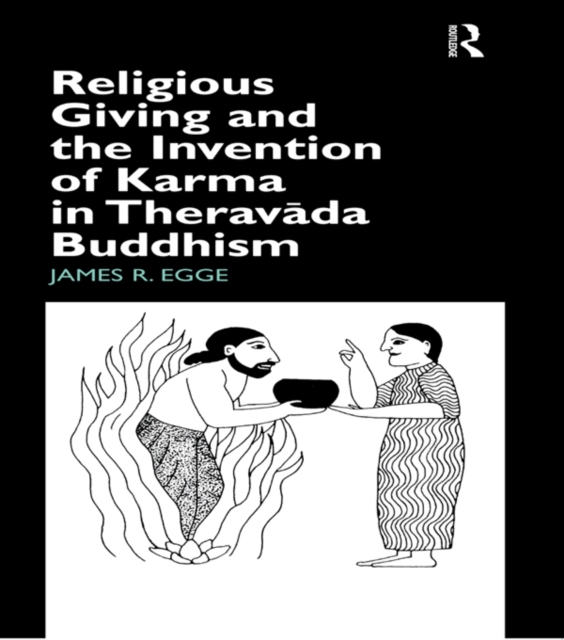
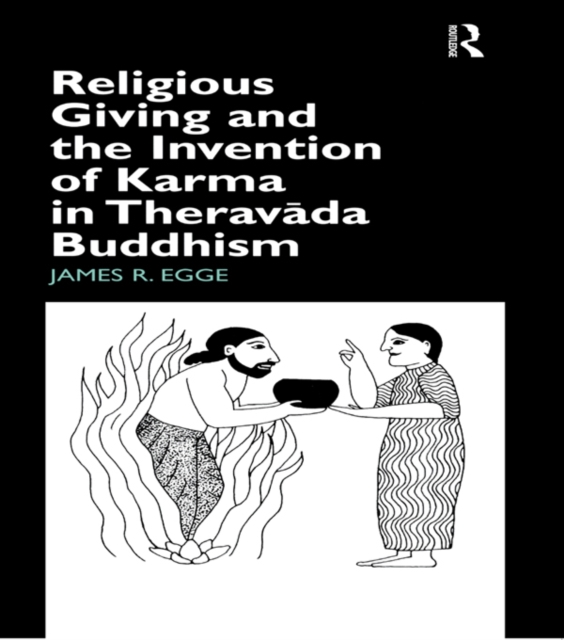
Demonstrates that Buddhists appropriated the practice, vocabulary, and ideology of sacrifice from Vedic religion, and discusses the relationship of this sacrificial discourse to ideas of karma in the Pali canon and in early Buddhism.
This is a major anthropological study of contemporary Tibetan Buddhist monasticism and tantric ritual in the Ladakh region of North-West India and of the role of tantric ritual in the formation and maintenance of traditional forms of state structure and political consciousness in Tibet.
This is a major anthropological study of contemporary Tibetan Buddhist monasticism and tantric ritual in the Ladakh region of North-West India and of the role of tantric ritual in the formation and maintenance of traditional forms of state structure and political consciousness in Tibet.
This is a semiotic study of a corpus of texts that Kumarajiva (344-413 CE), Paramartha (499~569 CE) and Xuanzang (599~664 CE) transmitted from India to China, featuring a critical reading of the Dazhidu Lun (T1509, Maha-Prajnaparamita-upadeua-Uastra), San Wuxing Lun (T1617, Try-asvabhava-prakara.
This is a semiotic study of a corpus of texts that Kumarajiva (344-413 CE), Paramartha (499~569 CE) and Xuanzang (599~664 CE) transmitted from India to China, featuring a critical reading of the Dazhidu Lun (T1509, Maha-Prajnaparamita-upadeua-Uastra), San Wuxing Lun (T1617, Try-asvabhava-prakara.
Until the collapse of the socialist system in Mongolia in 1990, Mongolian social sciences was fundamentally schematised in accordance with the prevailing political ideology of socialism, considering the country's history in the theoretical framework of historical materialism, the theory of socio-economic formation, and the feudalism model.
Until the collapse of the socialist system in Mongolia in 1990, Mongolian social sciences was fundamentally schematised in accordance with the prevailing political ideology of socialism, considering the country's history in the theoretical framework of historical materialism, the theory of socio-economic formation, and the feudalism model.
Demonstrates how the four noble truths are used thorughout the Pali canon as a symbol of Buddha's enlightenment and as a doctrine within a larger network of Buddha's teachings.
Demonstrates how the four noble truths are used thorughout the Pali canon as a symbol of Buddha's enlightenment and as a doctrine within a larger network of Buddha's teachings.
Written as a companion to Eliot's 3-volume Hinduism and Buddhism this text begins with an overview of Buddhism as practiced in India and China before presenting an in depth account of the history of Buddhism in Japan.
Written as a companion to Eliot's 3-volume Hinduism and Buddhism this text begins with an overview of Buddhism as practiced in India and China before presenting an in depth account of the history of Buddhism in Japan.
A balanced selection from Buddhist writings, including scriptures used by the Zen School, with chapters on the Buddha, Tibetan Buddhism, Concentration and Meditation, the Buddhist Order, and Nirvana.
A balanced selection from Buddhist writings, including scriptures used by the Zen School, with chapters on the Buddha, Tibetan Buddhism, Concentration and Meditation, the Buddhist Order, and Nirvana.
Subtle-body practices are found particularly in Indian, Indo-Tibetan and East Asian societies, but have become increasingly familiar in Western societies, especially through the various healing and yogic techniques and exercises associated with them.
Subtle-body practices are found particularly in Indian, Indo-Tibetan and East Asian societies, but have become increasingly familiar in Western societies, especially through the various healing and yogic techniques and exercises associated with them.
Focusing on contemporary Tibetan Buddhist revivals in the Tibetan regions of the Sichuan and Qinghai Provinces in China, this book explores the intricate entanglements of the Buddhist revivals with cultural identity, state ideology, and popular imagination of Tibetan Buddhist spirituality in contemporary China.
Focusing on contemporary Tibetan Buddhist revivals in the Tibetan regions of the Sichuan and Qinghai Provinces in China, this book explores the intricate entanglements of the Buddhist revivals with cultural identity, state ideology, and popular imagination of Tibetan Buddhist spirituality in contemporary China.
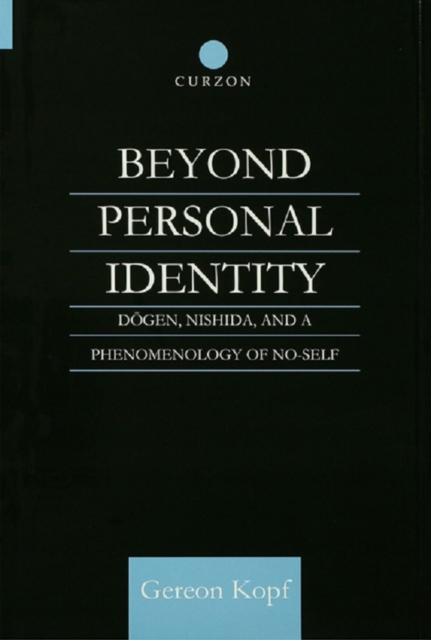
Applies Dogen Kigen's religious philosophy and the philosophy of Nishida Kitaro to the philosophical problem of personal identity, probing the applicability of the concept of non-self to the philosophical problems of selfhood, otherness, and temporality which culminate in the conundrum of personal identity.
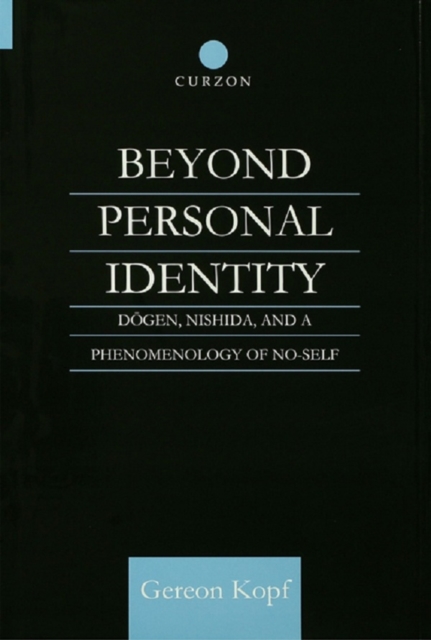
Applies Dogen Kigen's religious philosophy and the philosophy of Nishida Kitaro to the philosophical problem of personal identity, probing the applicability of the concept of non-self to the philosophical problems of selfhood, otherness, and temporality which culminate in the conundrum of personal identity.
Buddhism in the Modern World explores the challenges faced by Buddhism today, the distinctive forms that it has taken and the individuals and movements that have shaped it.
Buddhism in the Modern World explores the challenges faced by Buddhism today, the distinctive forms that it has taken and the individuals and movements that have shaped it.
An introduction to Japanese spiritual civilization,its significance and realization; Nichirenism (the true Mahayana Buddhism) and Japanese national principles.
An introduction to Japanese spiritual civilization,its significance and realization; Nichirenism (the true Mahayana Buddhism) and Japanese national principles.