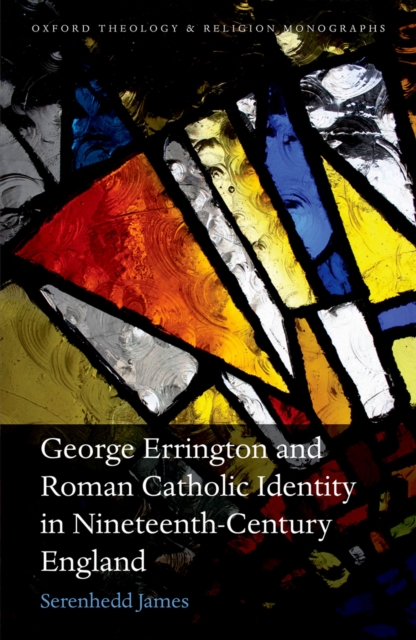
The Victorian Archbishop of Trebizond, George Errington (1804-1886) was one of the most prominent figures of nineteenth-century English Roman Catholicism.
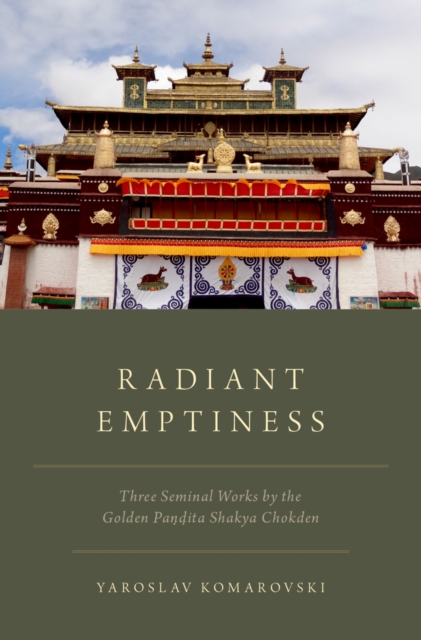
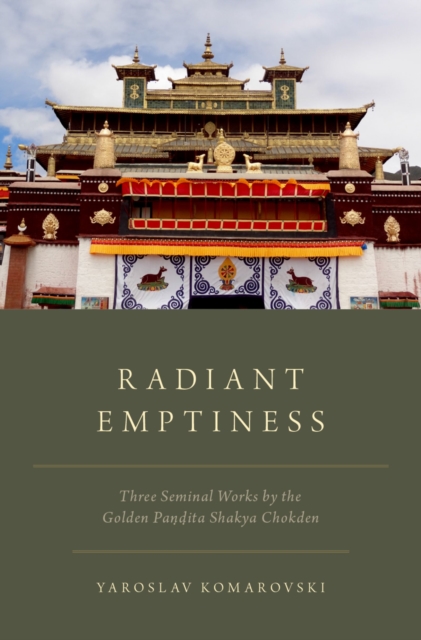
In Radiant Emptiness, Yaroslav Komarovski offers an annotated translation of three seminal works on the nature and relationship of the Yogacara and Madhyamaka schools of Buddhist thought, by Serdok Penchen Shakya Chokden (1428-1507).
In Radiant Emptiness, Yaroslav Komarovski offers an annotated translation of three seminal works on the nature and relationship of the Yogacara and Madhyamaka schools of Buddhist thought, by Serdok Penchen Shakya Chokden (1428-1507).
Envisioning a Tibetan Luminary examines the religious biography of Shardza Tashi Gyaltsen (1859-1934), the most significant modern figure representing the Tibetan Bon religion-a vital minority tradition that is underrepresented in Tibetan studies.
The Way of the Bodhisattva, composed by the monk and scholar Santideva in eighth-century India, is a Buddhist treatise in verse that beautifully and succinctly lays out the theory and practice of the Mahayana path of a bodhisattva.
The Way of the Bodhisattva, composed by the monk and scholar Santideva in eighth-century India, is a Buddhist treatise in verse that beautifully and succinctly lays out the theory and practice of the Mahayana path of a bodhisattva.
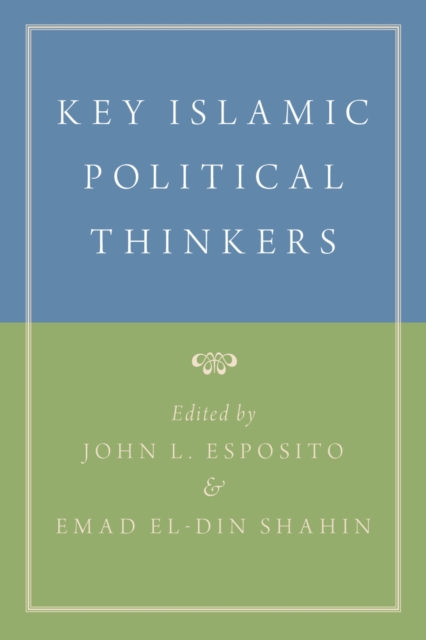
Islam has become a potent political force around the world since it reemerged in the late 1960's and 1970's as a religio-political alternative to failed nationalist ideologies.
Islam has become a potent political force around the world since it reemerged in the late 1960's and 1970's as a religio-political alternative to failed nationalist ideologies.
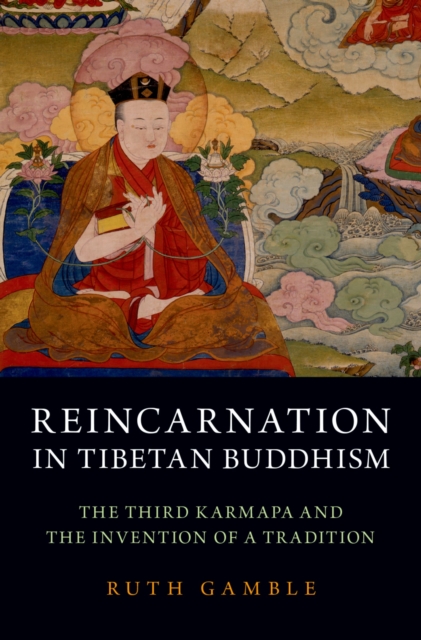
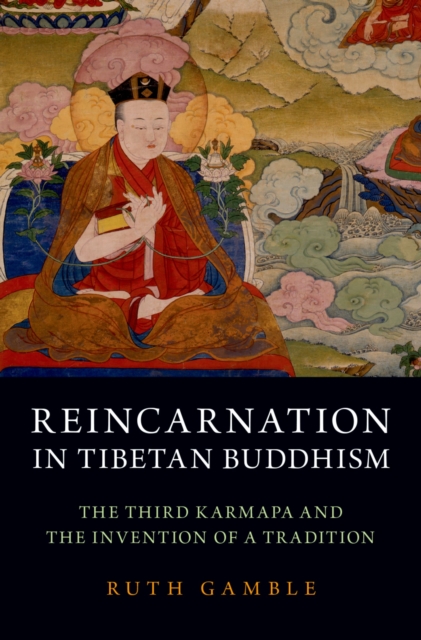
Reincarnation in Tibetan Buddhism examines how the third Karmapa hierarch, Rangjung Dorje (1284-1339) transformed reincarnation from a belief into a lasting Tibetan institution.
Reincarnation in Tibetan Buddhism examines how the third Karmapa hierarch, Rangjung Dorje (1284-1339) transformed reincarnation from a belief into a lasting Tibetan institution.
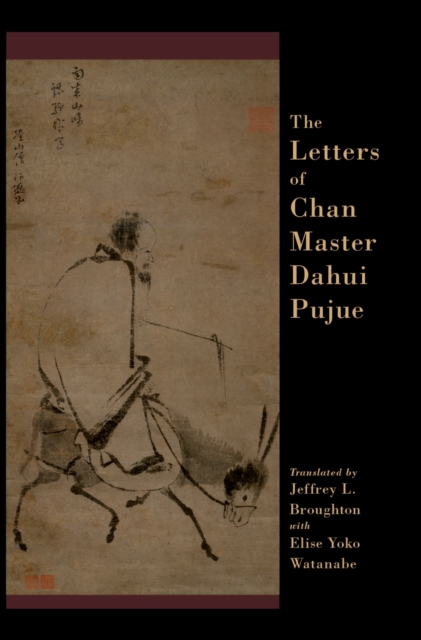
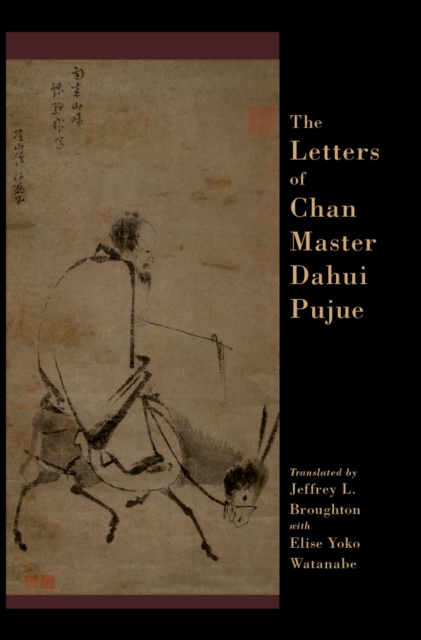
The Letters of Chan Master Dahui Pujue offers a complete annotated translation, the first into English, of a Chan Buddhist classic, the collected letters of the Southern Song Linji Chan teacher Dahui Zonggao (1089-1163).
The Letters of Chan Master Dahui Pujue offers a complete annotated translation, the first into English, of a Chan Buddhist classic, the collected letters of the Southern Song Linji Chan teacher Dahui Zonggao (1089-1163).
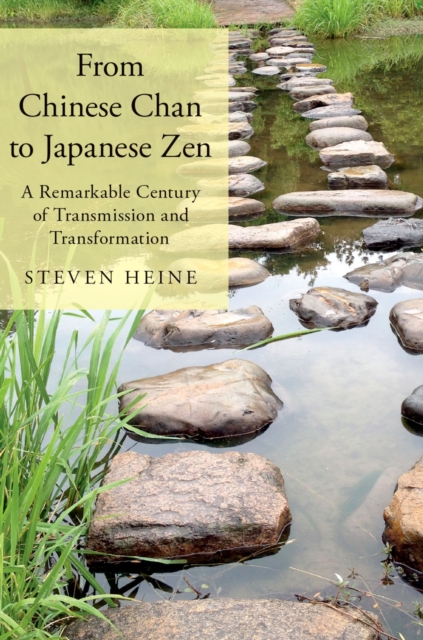
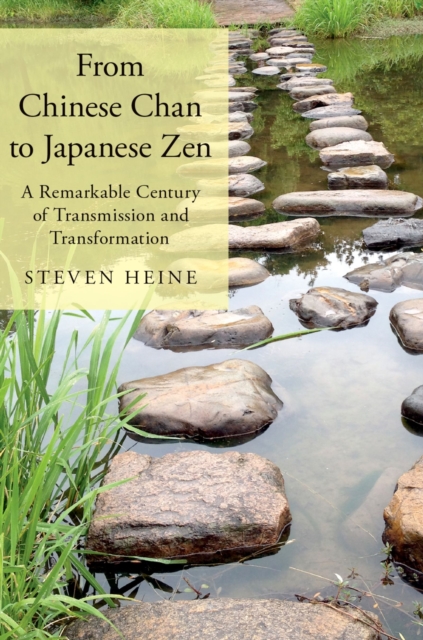
From Chinese Chan to Japanese Zen investigates the remarkable century that lasted from 1225 to 1325, during which the transformation of the Chinese Chan school of Buddhism into the Japanese Zen sect was successfully completed.
From Chinese Chan to Japanese Zen investigates the remarkable century that lasted from 1225 to 1325, during which the transformation of the Chinese Chan school of Buddhism into the Japanese Zen sect was successfully completed.
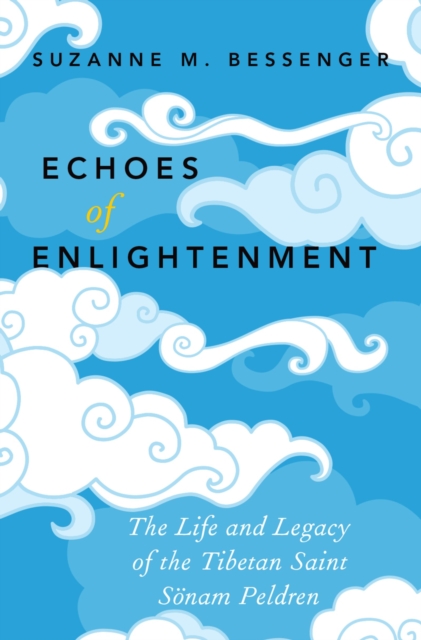
Echoes of Enlightenment explores the issues of gender and sainthood raised by the recently discovered "e;liberation story"e; of the fourteenth-century Tibetan female Buddhist practitioner Sonam Peldren.
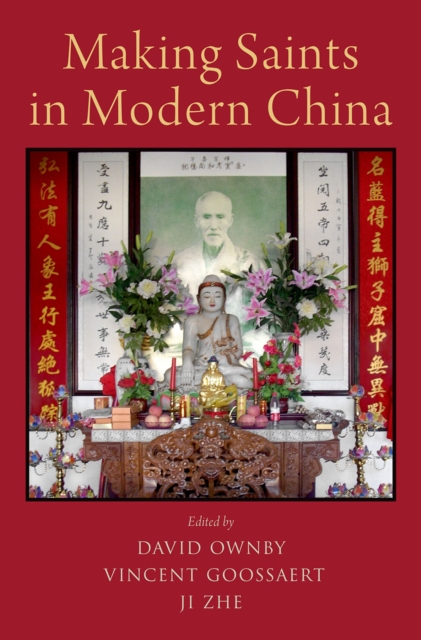
"e;Sainthood"e; has been, and remains, a contested category in China, given the commitment of China's modern leadership to secularization, modernization, and revolution, and the discomfort of China's elite with matters concerning religion.
"e;Sainthood"e; has been, and remains, a contested category in China, given the commitment of China's modern leadership to secularization, modernization, and revolution, and the discomfort of China's elite with matters concerning religion.
The Records of Mazu and the Making of Classical Chan Literature explores the growth, makeup, and transformation of Chan (Zen) Buddhist literature in late medieval China.
William Bentley, pastor in Salem, Massachusetts from 1783 to his death in 1819, was unlike anyone else in America's founding generation, for he had come to unique conclusions about how best to maintain a traditional understanding of Christianity in a world ever changing by the forces of the Enlightenment.
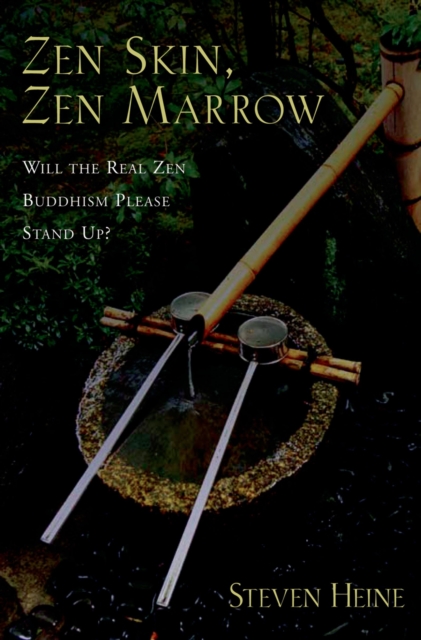
Since Zen Buddhism first captivated the attention of Western seekers the dominant discourse about this sect has been romantic, idealistic, and utopian.
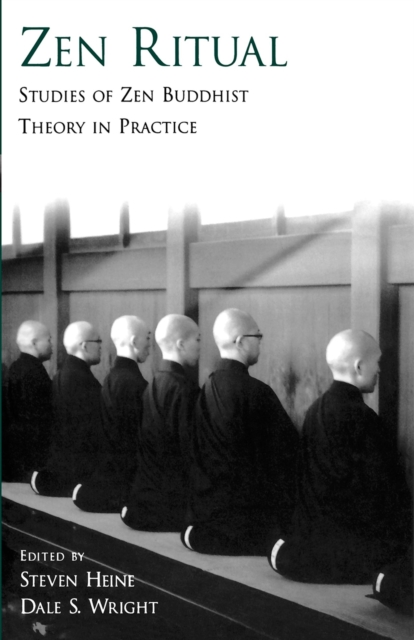
When books about Zen Buddhism began appearing in Western languages just over a half-century ago, there was no interest whatsoever in the role of ritual in Zen.
It is said that in traditional Japan the samurai embraced Zen because it helped them to be fearless in adversity, to act quickly and decisively, and to keep focused on their ultimate goal.
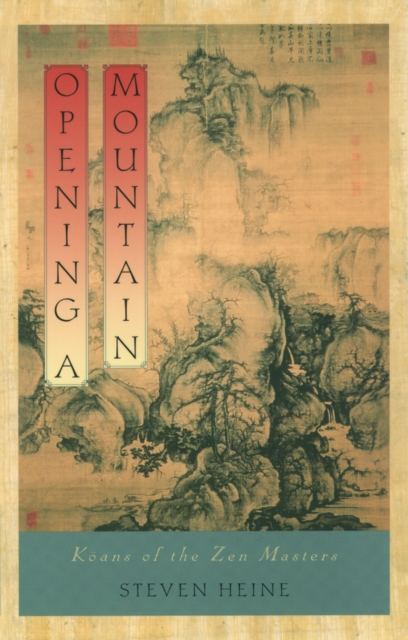
With the growing popularity of Zen Buddhism in the West, virtually everyone knows, or thinks they know, what a koan is: a brief and baffling question or statement that cannot be solved by the logical mind and which, after sustained concentration, can lead to sudden enlightenment.
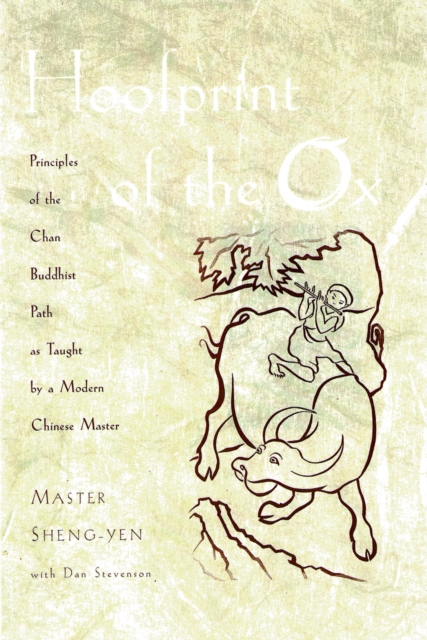
Revered by Buddhists in the United States and China, Master Sheng-yen shares his wisdom and teachings in this first comprehensive English primer of Chan, the Chinese tradition of Buddhism that inspired Japanese Zen.
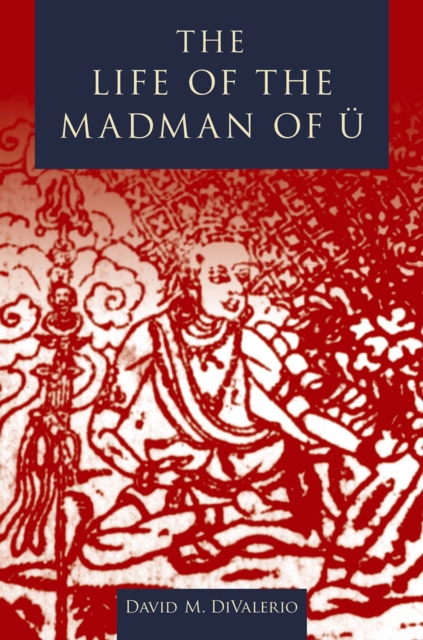
Throughout the past millennium, certain Tibetan Buddhist yogins have taken on profoundly norm-overturning modes of dress and behavior, including draping themselves in human remains, consuming filth, provoking others to violence, and even performing sacrilege.
Kabir was a great iconoclastic-mystic poet of fifteenth-century North India; his poems were composed orally, written down by others in manuscripts and books, and transmitted through song.
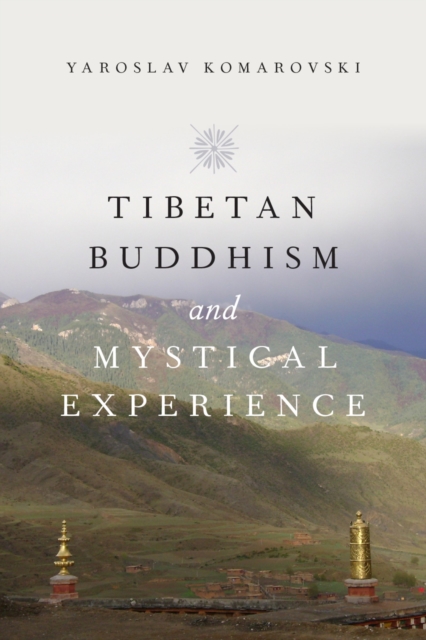
In this book, Yaroslav Komarovski argues that the Tibetan Buddhist interpretations of the realization of ultimate reality both contribute to and challenge contemporary interpretations of unmediated mystical experience.
Dogen and Soto Zen builds upon and further refines a continuing wave of enthusiastic popular interest and scholarly developments in Western appropriations of Zen.
In this book, Yaroslav Komarovski argues that the Tibetan Buddhist interpretations of the realization of ultimate reality both contribute to and challenge contemporary interpretations of unmediated mystical experience.