How an eccentric spiritualist from Trenton, New Jersey, helped create the most famous text of Tibetan BuddhismThe Tibetan Book of the Dead is the most famous Buddhist text in the West, having sold more than a million copies since it was first published in English in 1927.
Chock full of moving and enlightening stories, The Chocolate Cake Sutra will help you let go of perfectionism and celebrate the sacred nature of the life you already have.
In this accessible and important follow up to The Art of Happiness His Holiness the Dalai Lama teaches us how to live a happier and more spiritual life by fostering compassion and wisdom.
The Record of the Dharma-Jewel Through the Generations (Lidai fabao ji) is a little-known Chan/Zen Buddhist text of the eighth century, rediscovered in 1900 at the Silk Road oasis of Dunhuang.
Compiled by a leading scholar of Chinese poetry, Clouds Thick, Whereabouts Unknown is the first collection of Chan (Zen) poems to be situated within Chan thought and practice.
The Tibetan Book of the Dead is one of the texts that, according to legend, Padma-Sambhava was compelled to hide during his visit to Tibet in the late 8th century.
With characteristic humour and a down-to-earth approach to the Buddhist path, the Dalai Lama offers us an inspirational way to transform our hearts and minds and create the happiness we seek.
Twenty-six centuries ago, the Buddha fleshed out the universal law of the spiritual realm: karma, which holds that our actions, our words, and even our thoughts inevitably produce effects that return to us in some form in this lifetime or a future one.
An engaging introduction to Zen Buddhism, featuring a new English translation of one of the earliest Zen texts Leading Buddhist scholar Sam van Schaik explores the history and essence of Zen, based on a new translation of one of the earliest surviving collections of teachings by Zen masters.
A leading writer and researcher on Tibet, Sam van Schaik offers an accessible and authoritative introduction to Tibetan Buddhism by examining its key texts, from its origins in the eighth century to teachings practiced across the world today.
Some twenty-five centuries after the Buddha started teaching, his message continues to inspire people across the globe, including those living in predominantly secular societies.
A guide to key writings from Buddhism’s meditative tradition and what they reveal about the history and practice of meditation Is it possible to capture the spirit of Buddhist meditation, which depends so much upon silence and unspoken wisdom?
In this slim, enlightening volume, internationally recognized Buddhist teacher Martine Batchelor presents the basic tenets and teachings of the Buddha through a selection of essential texts from the Pali canon, the earliest Buddhist scriptures.
This narrative of subsistence on the Tibetan plateau describes the life-worlds of people in a region traditionally known as Kham who move with their yaks from pasture to pasture, depending on the milk production of their herd for sustenance.
'Suzuki's works on Zen Buddhism are among the best contributions to the knowledge of living Buddhism' Carl JungEssays in Zen Buddhism was the first book to fully introduce Zen in the West.
Die zunächst nur im Geheimen und unter Eingeweihten überlieferten Lehren des Begründers des Tibetischen Buddhismus sind heute so wahr und überzeugend wie zu ihrer Entstehungszeit im 9.
Though of little concern to most westerners, notions of what is considered clean and unclean, pure and impure are of great importance to many cultures.
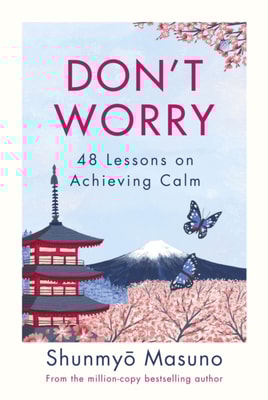
Feel your everyday stresses melt away with 48 simple, accessible and achievable lessons in this beautiful mindfulness guideFrom the renowned Bhuddist monk and million-copy bestselling author of Zen: The Art of Simple Living, Shunmyo Masuno_________Learn to let go of stress, change how you worry, and improve your life for good with this invaluable companion for reducing anxiety and maintaining calm.
Buddhist intellectual discourse owes its development to a dynamic interplay between primary source materials and subsequent interpretation, yet scholarship on Indian Buddhism has long neglected to privilege one crucial series of texts.
The Lotus Sutra proclaims that a unitary intent underlies the diversity of Buddhist teachings and promises that all people without exception can achieve supreme awakening.
How did a society on the edge of collapse and dominated by wandering bands of armed men give way to a vibrant Buddhist culture, led by yogins and scholars?
Through the eventful life of a Himalayan Buddhist teacher, Khunu Lama, this study reimagines cultural continuity beyond the binary of traditional and modern.
Written in Kashmir around 400 CE, Haribhatta's Jatakamala is a remarkable example of classical Sanskrit literature in a mixture of prose and verse that for centuries was known only in its Tibetan translation.
The Dalai Lama has said that Tibetans consider themselves "e;the child of Indian civilization"e; and that India is the "e;holy land"e; from whose sources the Tibetans have built their own civilization.