In this companion to his best-selling translation ofThe Dhammapada, Eknath Easwaran explains howThe Dhammapadais a perfect map for the spiritual journey.
Said to contain the words of the Buddha on the nature of ultimate wisdom, the Lankavatara was influential in the general doctrines of Mahayana Buddhism, in particular Zen.
A landmark work that demystifies the rich tradition of Indian art, Myths and Symbols in Indian Art and Civilization analyzes key motifs found in legend, myth, and folklore taken directly from the Sanskrit.
Written in Kashmir around 400 CE, Haribhatta's Jatakamala is a remarkable example of classical Sanskrit literature in a mixture of prose and verse that for centuries was known only in its Tibetan translation.
An engaging introduction to Zen Buddhism, featuring a new English translation of one of the earliest Zen texts Leading Buddhist scholar Sam van Schaik explores the history and essence of Zen, based on a new translation of one of the earliest surviving collections of teachings by Zen masters.
Medieval Churchmen heard the legend of Prince Siddhartha (the Bodhisattva, or Buddha-to-be) renouncing his wealth and seeking salvation as a monk, but they mistook it for the history of some Christian monk named Iodasaph (a corruption of Bodhisattva).
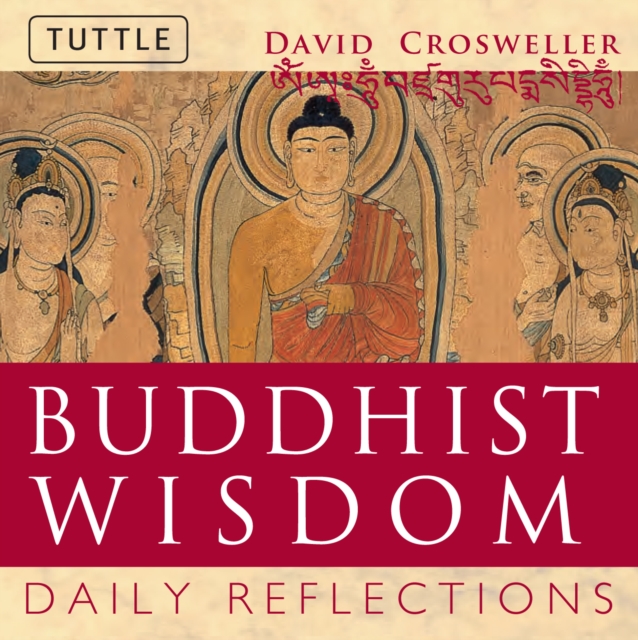
Awaken your heart and engage your mind with Buddhist Wisdom: Daily Reflections, a simple but powerful collection of Buddhist sayings and extracts that offer an easy way to incorporate the Buddha's greatest teachings into your everyday life.
This second volume of passages gathered from the leading monks and teachers of the Pure Land, or Shin, school of Buddhist teaching focuses on religious practice.
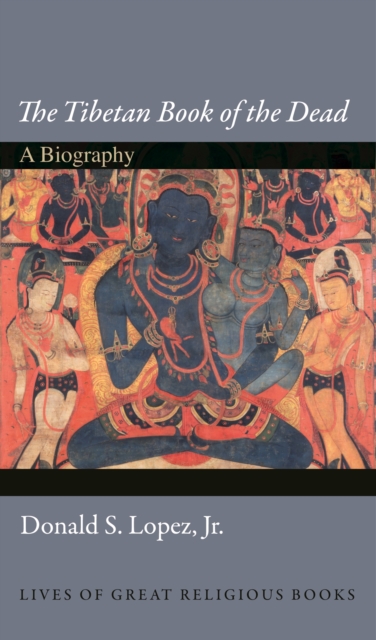
How an eccentric spiritualist from Trenton, New Jersey, helped create the most famous text of Tibetan BuddhismThe Tibetan Book of the Dead is the most famous Buddhist text in the West, having sold more than a million copies since it was first published in English in 1927.
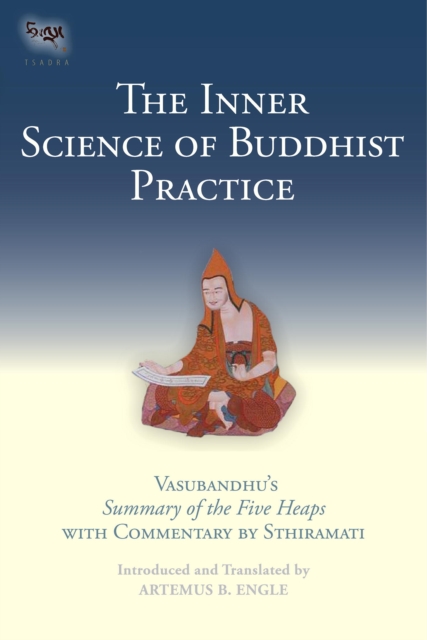
The Inner Science of Buddhist Practice contains translations of texts by two historically important Indian Buddhist scholars: Vasubhandhu''s "Summary of the Five Heaps" and Sthiramati''s commentary on Vasubandhu''s root text.
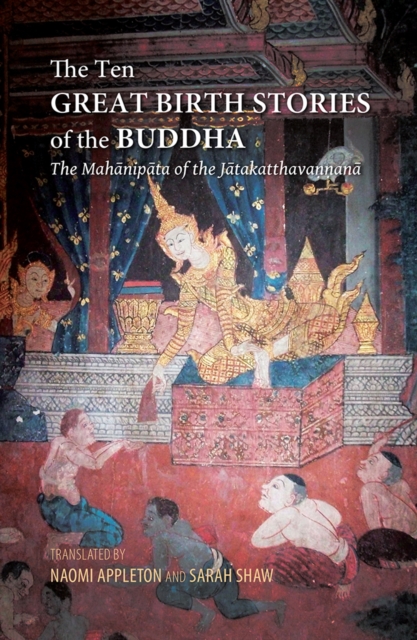
Chapter: The Birth Story of Temiya, or of the Dumb CrippleThis is the first complete English translation in over a century of the ten great j taka tales covering the Bodhisatta's final adventures in the human realm before his ultimate life and enlightenment as the Buddha.
Presents two key Indian Buddhist philosophical masterpieces that integrate the Buddhist ethos of wisdom and compassion, with their profound relevance to contemporary thought clarified by a renowned scholar of contemplative science.
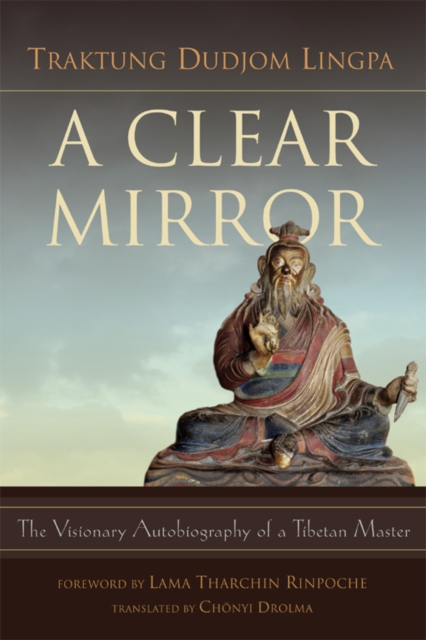
A Clear Mirror is the autobiographical account of a saint, a genius, a virtuoso who has granted readers what is most rare in personal accounts: full access to his incredible inner life.
The Light of Asia by Sir Edwin Arnold is a classic, weaves through its poetic verses the life and philosophy of Prince Siddhartha Gautama who attained enlightenment under the bodhi tree and became the Buddha.
Chapter: The Birth Story of Temiya, or of the Dumb CrippleThis is the first complete English translation in over a century of the ten great j taka tales covering the Bodhisatta's final adventures in the human realm before his ultimate life and enlightenment as the Buddha.
Indian Types of ethical and philosophical Buddhism did not easily find acceptance in China; it took centuries of contact before a distinctively Chinese adaptation of Buddhism was effected that proved to be congenial to Chinese soil.
In the dim twilight preceding the dawn of Indian literature the historical imagination can perceive the forms of Aryan warriors, the first Western conquerors of Hindustan, issuing from those passes in the north-west through which the tide of invasion has in successive ages rolled to sweep over the plains of India.
The story of Amitabha has a historical setting in the ascendancy of the kingdom ofGandhara, under King Kanishka, whose interest in Buddhism and whose connection with Acvaghosha, the great Buddhist philosopher, are well known.
The Kullavagga includes accounts of the First and Second Buddhist Councils and the establishment of the community of Buddhist nuns, as well as rules for addressing offenses within the community.
This book contains verses attributed, in the tradition of the Pali Canon, to certain eminent Sisters (Ther+-Bhikkhun+s) of the Buddhist Order, and forming the second and smaller portion of the work entitled Thera-ther+-gth-i.