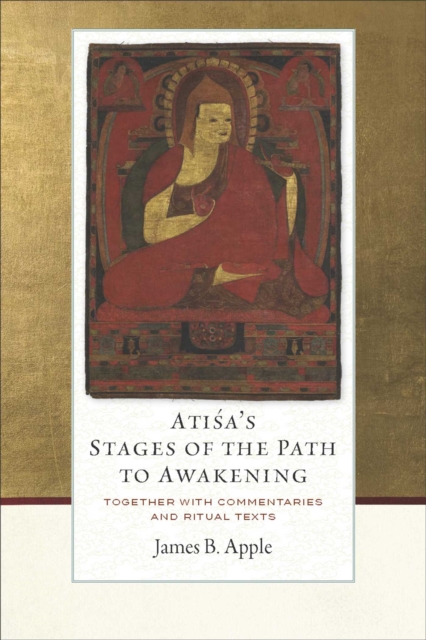
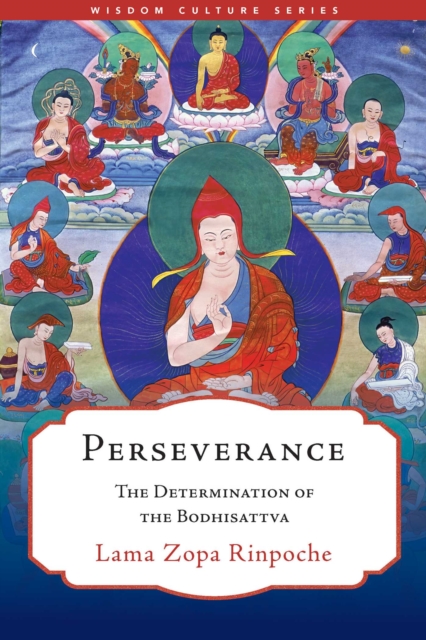
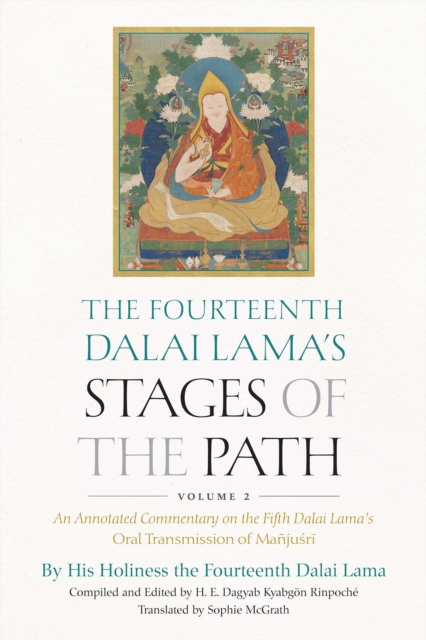
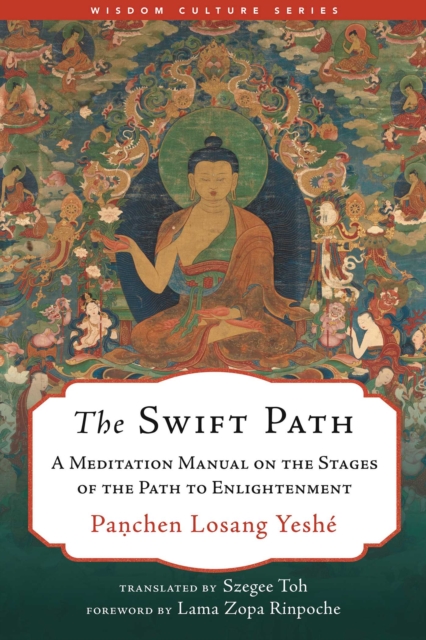
This collection of guided meditations from eighteenth-century Tibet harnesses elements of tantric visualization to induce realizations while contemplating the steps on the path to buddhahood.
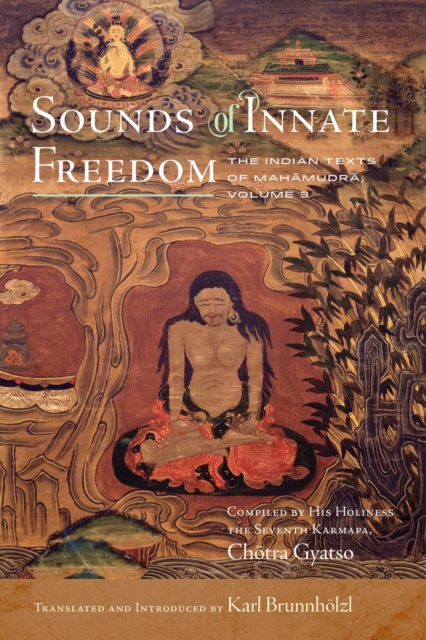
The third volume in a historic six-volume series containing many of the first English translations of the classic mahamudra literature compiled by the Seventh Karmapa.
A landmark work that demystifies the rich tradition of Indian art, Myths and Symbols in Indian Art and Civilization analyzes key motifs found in legend, myth, and folklore taken directly from the Sanskrit.
This second volume of passages gathered from the leading monks and teachers of the Pure Land, or Shin, school of Buddhist teaching focuses on religious practice.
How an eccentric spiritualist from Trenton, New Jersey, helped create the most famous text of Tibetan BuddhismThe Tibetan Book of the Dead is the most famous Buddhist text in the West, having sold more than a million copies since it was first published in English in 1927.
Presents two key Indian Buddhist philosophical masterpieces that integrate the Buddhist ethos of wisdom and compassion, with their profound relevance to contemporary thought clarified by a renowned scholar of contemplative science.
Indian Types of ethical and philosophical Buddhism did not easily find acceptance in China; it took centuries of contact before a distinctively Chinese adaptation of Buddhism was effected that proved to be congenial to Chinese soil.
In the dim twilight preceding the dawn of Indian literature the historical imagination can perceive the forms of Aryan warriors, the first Western conquerors of Hindustan, issuing from those passes in the north-west through which the tide of invasion has in successive ages rolled to sweep over the plains of India.
The story of Amitabha has a historical setting in the ascendancy of the kingdom ofGandhara, under King Kanishka, whose interest in Buddhism and whose connection with Acvaghosha, the great Buddhist philosopher, are well known.
The Kullavagga includes accounts of the First and Second Buddhist Councils and the establishment of the community of Buddhist nuns, as well as rules for addressing offenses within the community.
This book contains verses attributed, in the tradition of the Pali Canon, to certain eminent Sisters (Ther+-Bhikkhun+s) of the Buddhist Order, and forming the second and smaller portion of the work entitled Thera-ther+-gth-i.
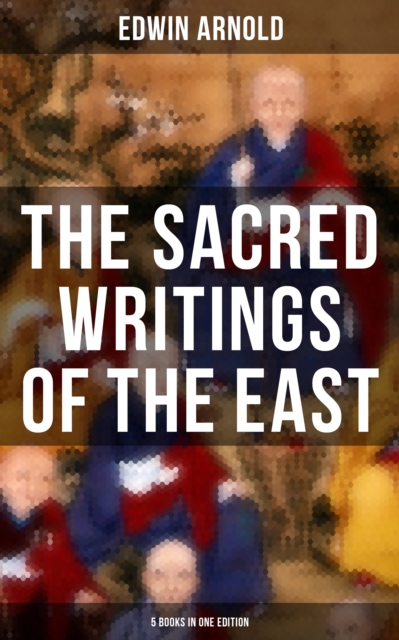
This book contains the essential Buddhist scriptures, as preserved by the Buddhists of Ceylon and Further India and which are in the Pali language, a language related to Sanskrit much as Italian is related to Latin; and for several centuries before and after Christ it was spoken in varying dialects over most of Northern India.
The She-rab Dong-bu (Tree of Wisdom) is a metrical translation in Tibetan of a Sanscrit ethical work entitled Prajnya Danda, written by Nagarjuna who flourished in the fourth century of the Buddhist era (about 100 B.
With the Buddhist faith there came the germ of the belief that the Gautama Buddha in his own grandeur bore witness to One Greater-the Amitabha or Amida Buddha-that One who in boundless Light abideth, life of the Universe, without colour, without form, the Lover of man, his Protector and Refuge.