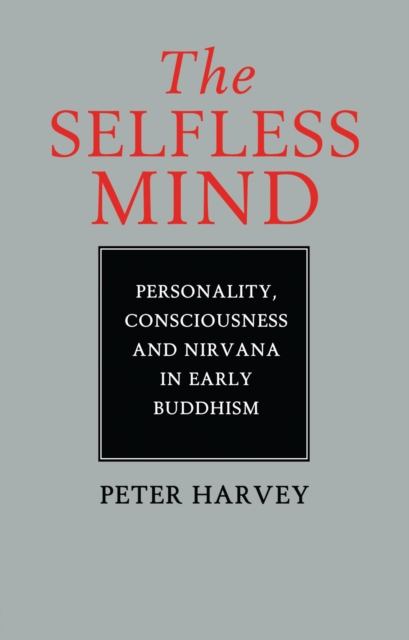
This careful analysis of early Buddhist thought opens out a perspective in which no permanent Self is accepted, but a rich analysis of changing and potent mental processes is developed.
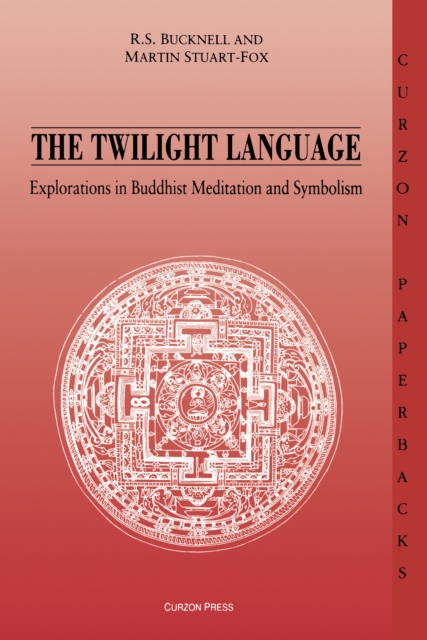
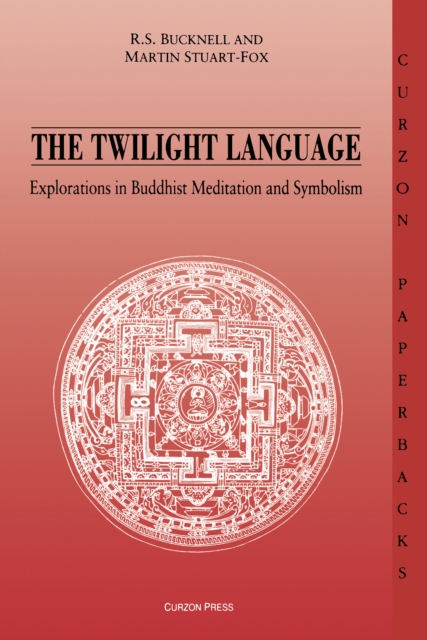
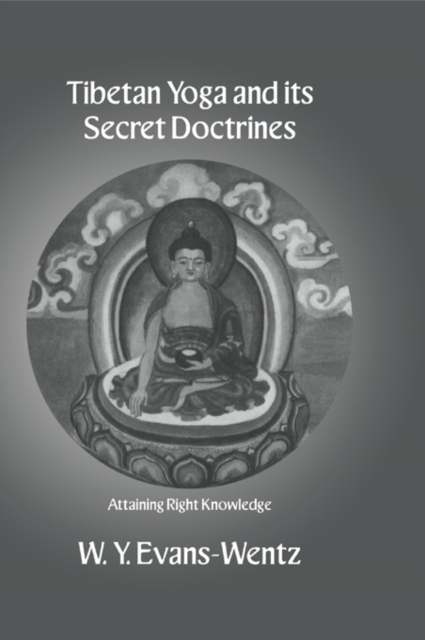
Explores the nature of Buddha's enlightenment and the meaning of Buddhist symbolism, discussing the relationship between Buddhist meditative techniques and examples of Buddhist symbolism found in early Pali texts and in the twilight language of the tantras.
A popular, if erroneous, conception of Buddhism has been that of self-negation or even nihilism, that is to say a religion that is negative in its basic attitude.
A popular, if erroneous, conception of Buddhism has been that of self-negation or even nihilism, that is to say a religion that is negative in its basic attitude.
A balanced selection from Buddhist writings, including scriptures used by the Zen School, with chapters on the Buddha, Tibetan Buddhism, Concentration and Meditation, the Buddhist Order, and Nirvana.
A balanced selection from Buddhist writings, including scriptures used by the Zen School, with chapters on the Buddha, Tibetan Buddhism, Concentration and Meditation, the Buddhist Order, and Nirvana.
Explores the nature of Buddha's enlightenment and the meaning of Buddhist symbolism, discussing the relationship between Buddhist meditative techniques and examples of Buddhist symbolism found in early Pali texts and in the twilight language of the tantras.
Focusing on contemporary Tibetan Buddhist revivals in the Tibetan regions of the Sichuan and Qinghai Provinces in China, this book explores the intricate entanglements of the Buddhist revivals with cultural identity, state ideology, and popular imagination of Tibetan Buddhist spirituality in contemporary China.
Focusing on contemporary Tibetan Buddhist revivals in the Tibetan regions of the Sichuan and Qinghai Provinces in China, this book explores the intricate entanglements of the Buddhist revivals with cultural identity, state ideology, and popular imagination of Tibetan Buddhist spirituality in contemporary China.
Buddhism in the Modern World explores the challenges faced by Buddhism today, the distinctive forms that it has taken and the individuals and movements that have shaped it.
Buddhism in the Modern World explores the challenges faced by Buddhism today, the distinctive forms that it has taken and the individuals and movements that have shaped it.
The Buddhist field of knowledge is now so vast that few can master all of it, and the study and application of its principles must be a matter of choice.
The Buddhist field of knowledge is now so vast that few can master all of it, and the study and application of its principles must be a matter of choice.
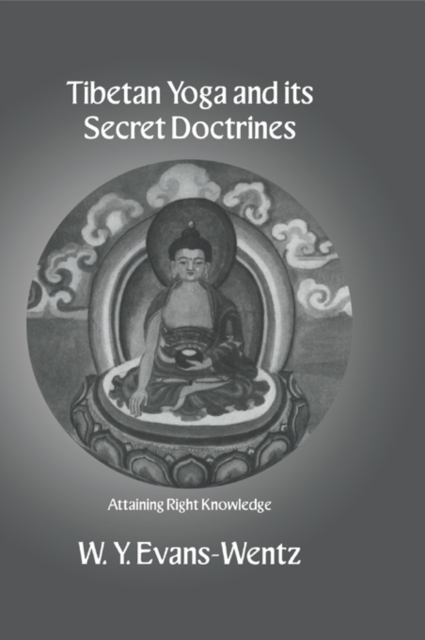
This volume provides a faithful account of the yogic practices which Milarepa, the best known of the Tibetan yogins, successfully put to the test of practice.
This volume provides a faithful account of the yogic practices which Milarepa, the best known of the Tibetan yogins, successfully put to the test of practice.
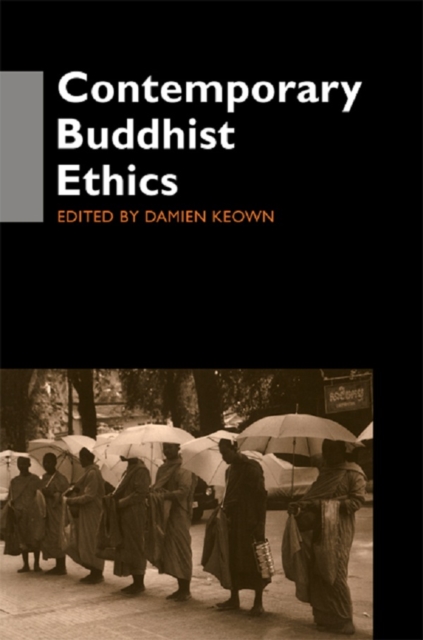
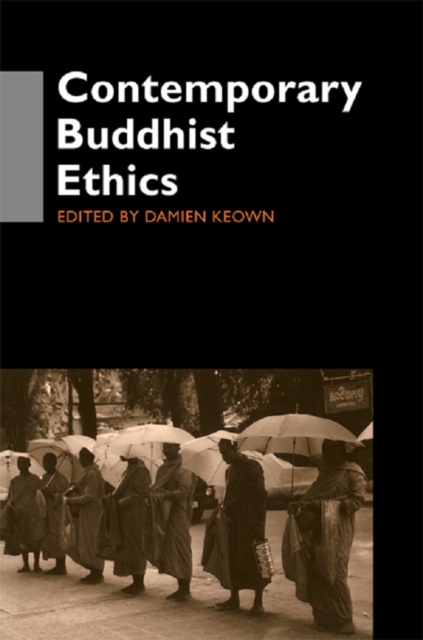
This innovative volume brings together the views of leading scholars on a range of controversial subjects including human rights, animal rights, ecology, abortion, euthanasia, and contemporary business practice.
This innovative volume brings together the views of leading scholars on a range of controversial subjects including human rights, animal rights, ecology, abortion, euthanasia, and contemporary business practice.