This manual, by an experienced Buddhist, has been written so that it will be easily accessible also to the reader who knows nothing about meditation, but also contains knowledge and experience that can be gained only through practice.
This manual, by an experienced Buddhist, has been written so that it will be easily accessible also to the reader who knows nothing about meditation, but also contains knowledge and experience that can be gained only through practice.
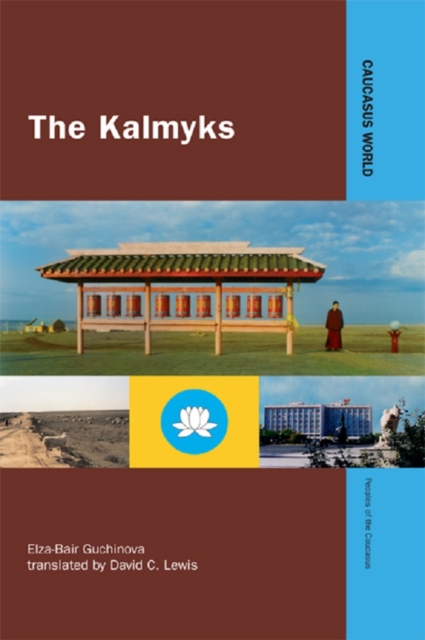
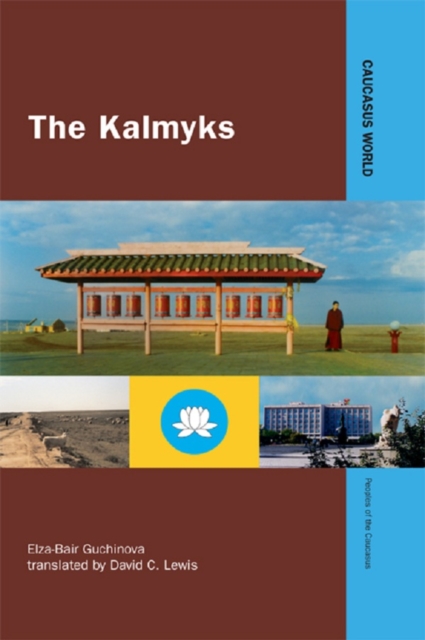
The Kalmyks are in a unique position among the peoples of Europe in several respects, most conspicuously as being the only Buddhist people group in Europe.
The Kalmyks are in a unique position among the peoples of Europe in several respects, most conspicuously as being the only Buddhist people group in Europe.
Nation, Constitutionalism and Buddhism in Sri Lanka offers a new perspective on contemporary debates about Sinhalese Buddhist nationalism in Sri Lanka.
Nation, Constitutionalism and Buddhism in Sri Lanka offers a new perspective on contemporary debates about Sinhalese Buddhist nationalism in Sri Lanka.
Originally published in 1958, this volume discusses the Buddhist monuments of Sri Lanka, which represent a distinctive and valuable portion of the art of the ancient and medieval world.
Originally published in 1958, this volume discusses the Buddhist monuments of Sri Lanka, which represent a distinctive and valuable portion of the art of the ancient and medieval world.
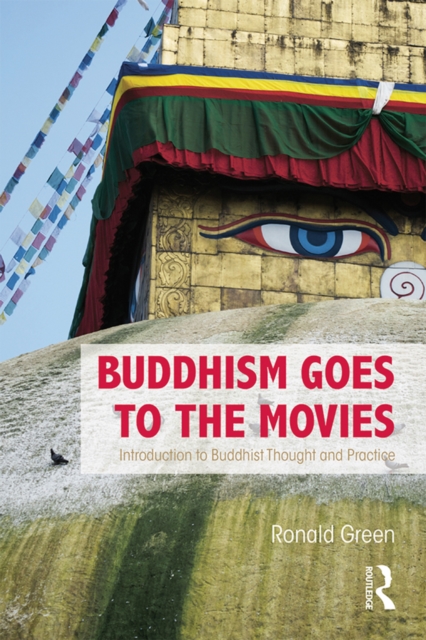
Buddhism Goes to the Movies: Introduction to Buddhist Thought and Practice explains the basics of Buddhist philosophy and practice through a number of dramatic films from around the world.
Buddhism Goes to the Movies: Introduction to Buddhist Thought and Practice explains the basics of Buddhist philosophy and practice through a number of dramatic films from around the world.
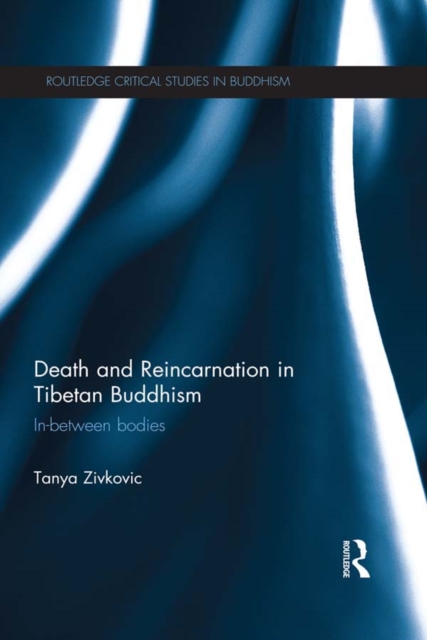
Contextualising the seemingly esoteric and exotic aspects of Tibetan Buddhist culture within the everyday, embodied and sensual sphere of religious praxis, this book centres on the social and religious lives of deceased Tibetan Buddhist lamas.
Contextualising the seemingly esoteric and exotic aspects of Tibetan Buddhist culture within the everyday, embodied and sensual sphere of religious praxis, this book centres on the social and religious lives of deceased Tibetan Buddhist lamas.
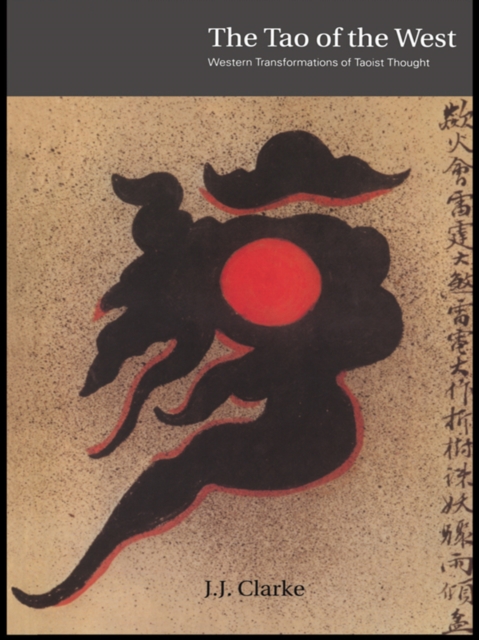
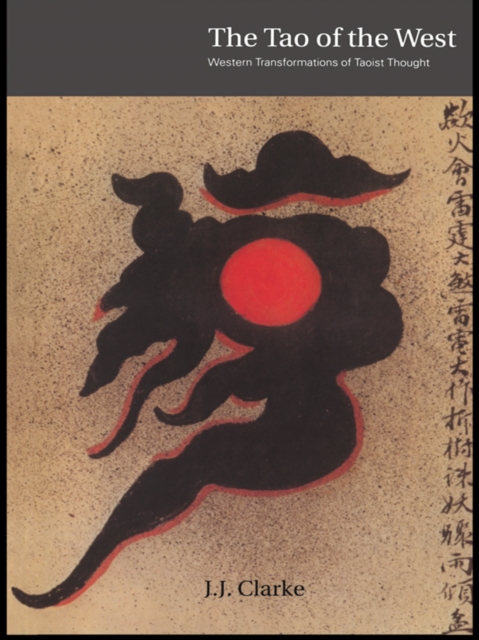
This clear and reliable introduction to Taoism (also known as Daoism) brings a fresh dimension to a tradition that has found a natural place in Western society.
This clear and reliable introduction to Taoism (also known as Daoism) brings a fresh dimension to a tradition that has found a natural place in Western society.
This book draws on Daoist yin/yang dialectics to move world politics from the current stasis of hegemony, hierarchy, and violence to a more balanced engagement with parity, fluidity, and ethics.
This book draws on Daoist yin/yang dialectics to move world politics from the current stasis of hegemony, hierarchy, and violence to a more balanced engagement with parity, fluidity, and ethics.
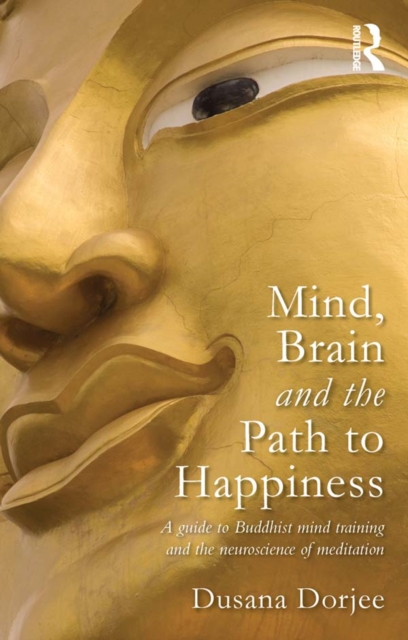
Mind, Brain and the Path to Happiness presents a contemporary account of traditional Buddhist mind training and the pursuit of wellbeing and happiness in the context of the latest research in psychology and the neuroscience of meditation.
Mind, Brain and the Path to Happiness presents a contemporary account of traditional Buddhist mind training and the pursuit of wellbeing and happiness in the context of the latest research in psychology and the neuroscience of meditation.
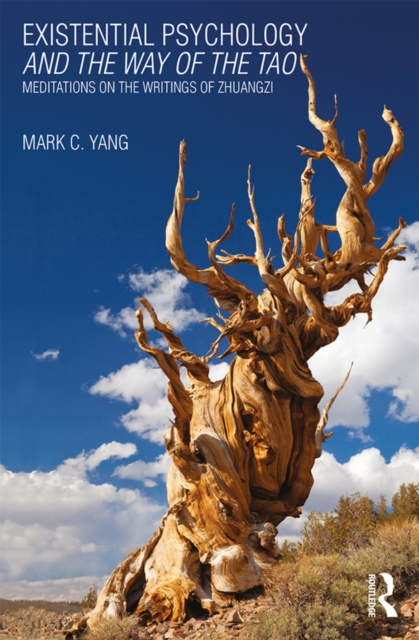
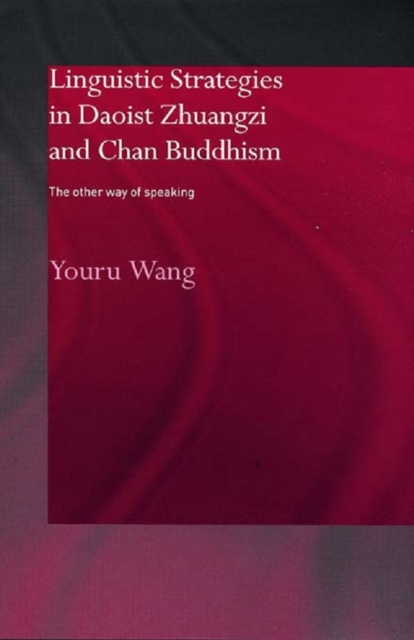
As the first systematic attempt to probe the linguistic strategies of Daoist Zhuangzi and Chan Buddhism, this book investigates three areas: deconstructive strategy, liminology of language, and indirect communication.
As the first systematic attempt to probe the linguistic strategies of Daoist Zhuangzi and Chan Buddhism, this book investigates three areas: deconstructive strategy, liminology of language, and indirect communication.
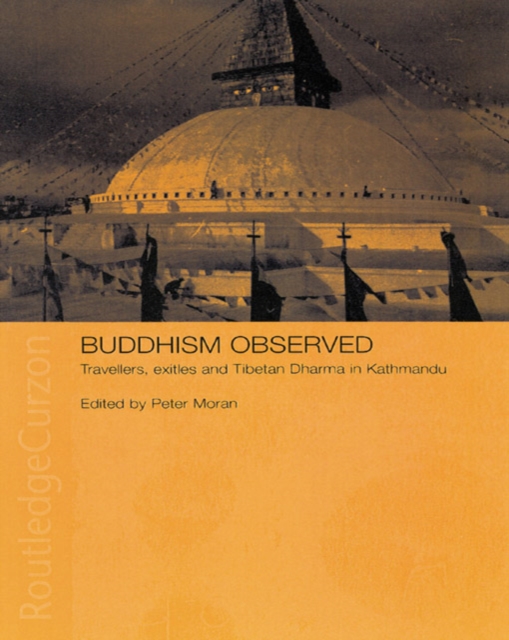
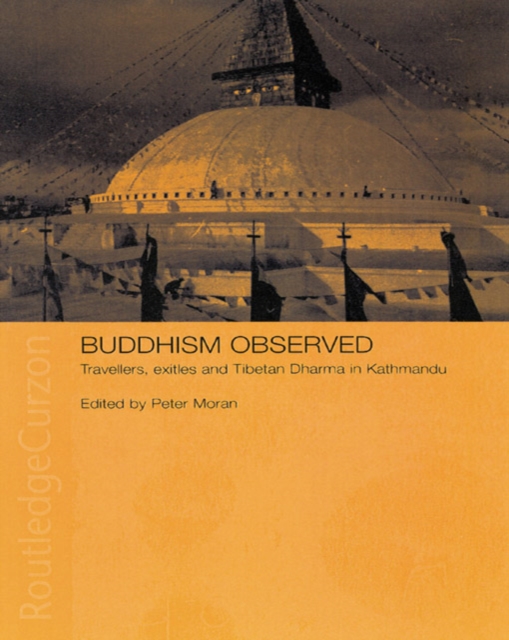
How do contemporary Westerners and Tibetans understand not only what it means to be 'Buddhist', but what it means to be hailed as one from 'the West' or from 'Tibet'?
How do contemporary Westerners and Tibetans understand not only what it means to be 'Buddhist', but what it means to be hailed as one from 'the West' or from 'Tibet'?
One prevalent socio-cultural structure that is peculiar to South Asia is caste, which is broadly understood in socio-anthropological terms as an institution of ranked, hereditary and occupational groups.
One prevalent socio-cultural structure that is peculiar to South Asia is caste, which is broadly understood in socio-anthropological terms as an institution of ranked, hereditary and occupational groups.
'To read it is like seeing the scenes described' Evening Standard'One of the world's best travel books' Spectator 'The work remains a classic worthy of reproduction' The Times Published to critical acclaim and well known for many years afterwards this account of the journey across Mongolia to Lhasa in the early nineteenth century owes much of its success to the literary skills of its authors, made available in English for the first time by William Hazlitt and Paul Pelliot.
'To read it is like seeing the scenes described' Evening Standard'One of the world's best travel books' Spectator 'The work remains a classic worthy of reproduction' The Times Published to critical acclaim and well known for many years afterwards this account of the journey across Mongolia to Lhasa in the early nineteenth century owes much of its success to the literary skills of its authors, made available in English for the first time by William Hazlitt and Paul Pelliot.