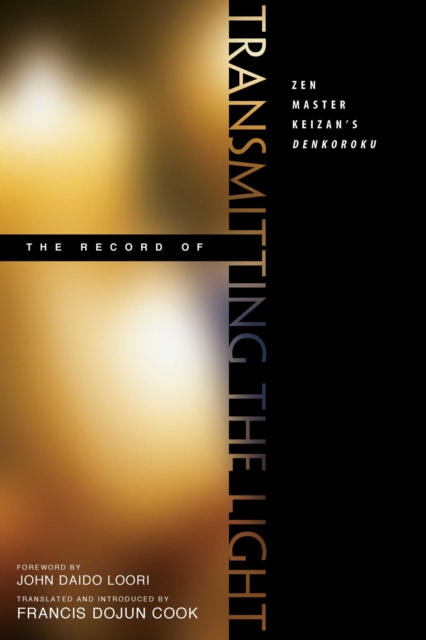
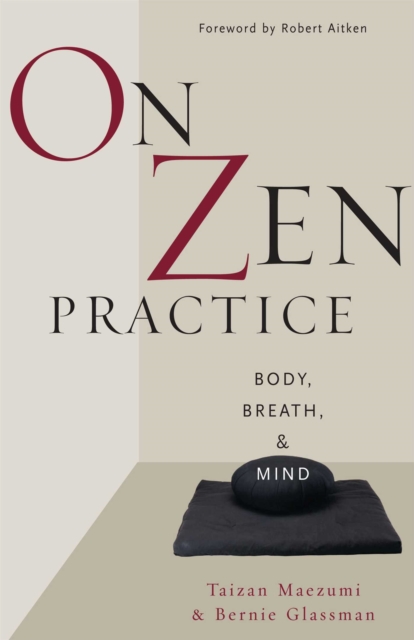
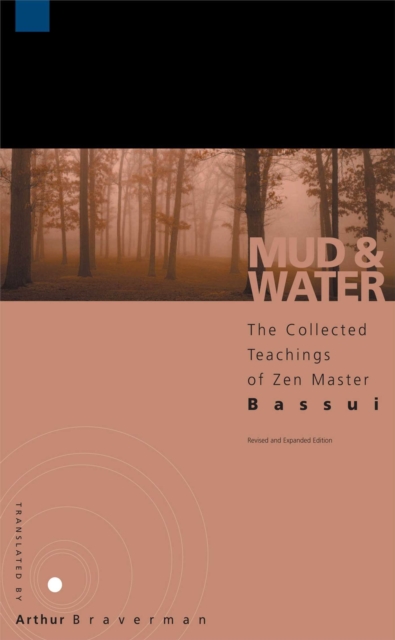
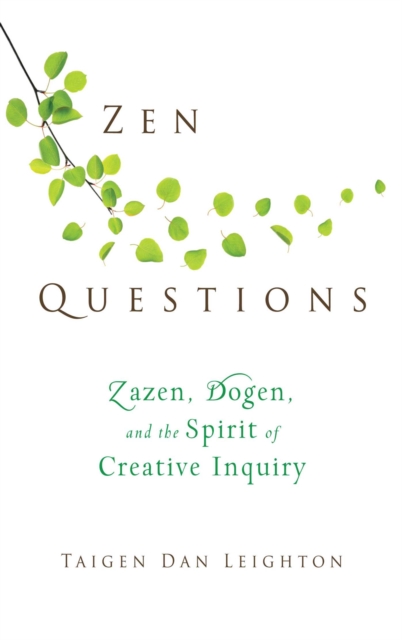
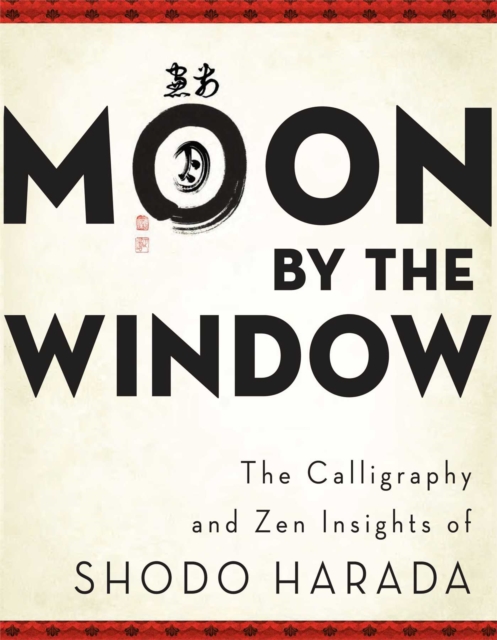
The Zen tradition has just two main meditative practices: shikantaza, or "e;just sitting"e;; and introspection guided by the powerful Zen teaching stories called koans.
Dharmakirti, an Indian Buddhist philosopher of the seventh century, explored the nature, limits, and justifications of rationality within the context of Buddhist religious and metaphysical concerns.
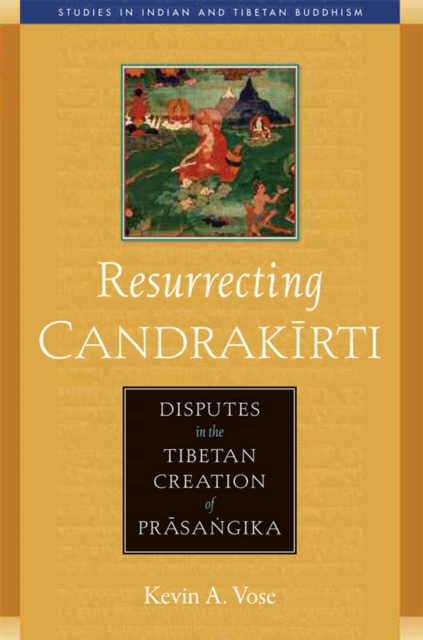
The seventh-century Indian master Candrakirti lived a life of relative obscurity, only to have his thoughts and writings rejuvenated during the Tibetan transmission of Buddhism.
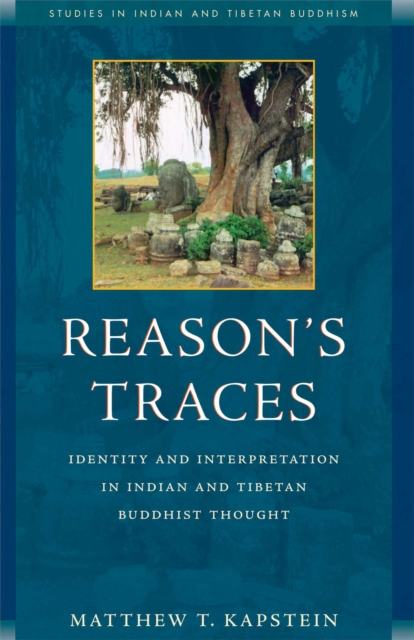
Reason's Traces addresses some of the key questions in the study of Indian and Buddhist thought: the analysis of personal identity and of ultimate reality, the interpretation of Tantric texts and traditions, and Tibetan approaches to the interpretation of Indian sources.
One of the most beloved Buddhist books of all timehaving inspired popular musicians, artists, a documentary film, and countless readersis now in an expanded, new edition, loaded with extras.
The Lamrim Chenmo, or Great Treatise on the Steps of the Path, by Je Tsongkhapa is a comprehensive overview of the process of individual enlightenment.
Opening the Eye of New Awareness is a succinct, thorough overview of the doctrines of Buddhism as they have been practiced for a thousand years in Tibet.
In One Hundred Days of Solitude: Losing My Self and Finding Grace on a Zen Retreat, American teacher of Korean Zen Jane Dobisz (Zen Master Bon Yeon), recalls her first solitary meditation stint in the woods.
This updated landmark volume makes available for the first time in decades the teachings that were formative to a whole generation of American Zen teachers and students.
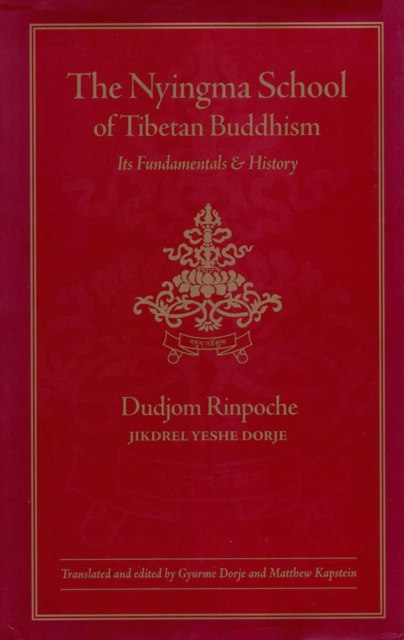
Written by a great modern Nyingma master, Dudjom Rinpoche's The Nyingma School of Tibetan Buddhism covers in detail and depth both the fundamental teachings and the history of Tibetan Buddhism's oldest school.
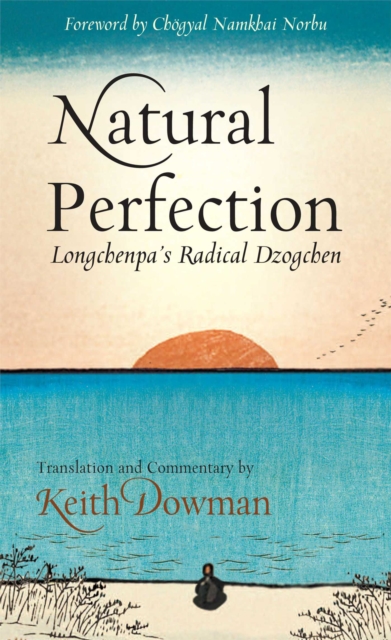
Dzogchen, or the "e;Great Perfection,"e; is considered by many to be the apex of Tibetan Buddhism, and Longchen Rabjam is the most celebrated of all the saints of this remarkable tradition.
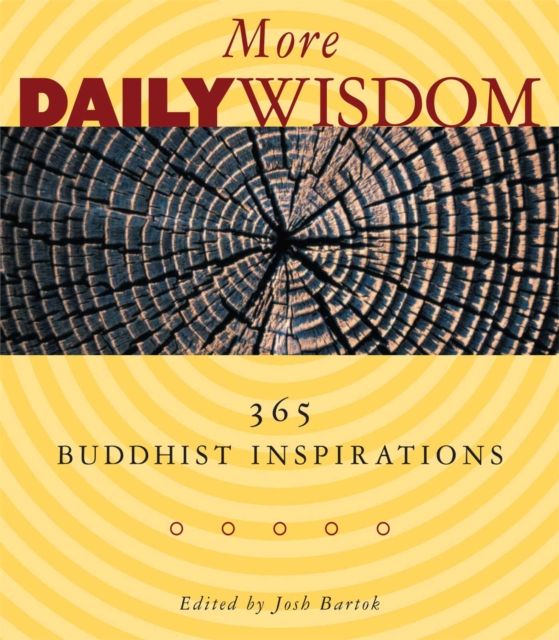
Like its successful predecessor, Daily Wisdom, More Daily Wisdom draws on the richness of Buddhist writings to offer a spiritual cornucopia that will illuminate and inspire day after day, year after year.
Tsongkhapa (1357-1419), the author of The Great Treatise on the Stages of the Path to Enlightenment and the teacher of the First Dalai Lama, is renowned as one of the greatest scholar-saints that Tibet has ever produced.
The premiere volume of Thupten Jinpas thirty-two-volume Library of Tibetan Classics series, inaugurated to coincide with the Dalai Lamas conferral of the initiation rite of Kalacakra in Toronto in April 2004.
For centuries, Dzogchen - a special meditative practice to achieve spontaneous enlightenment - has been misinterpreted by both critics and malinformed meditators as being purely mystical and anti-rational.
Any practitioner, after meditating for some time, inevitably wonders what meditation method the historical Buddha Shakyamuni himself used while beneath the Bodhi Tree.
Welcome and much-needed addition to the literature for psychotherapists, therapists-in-training, and occupational therapists and other types of teachers.
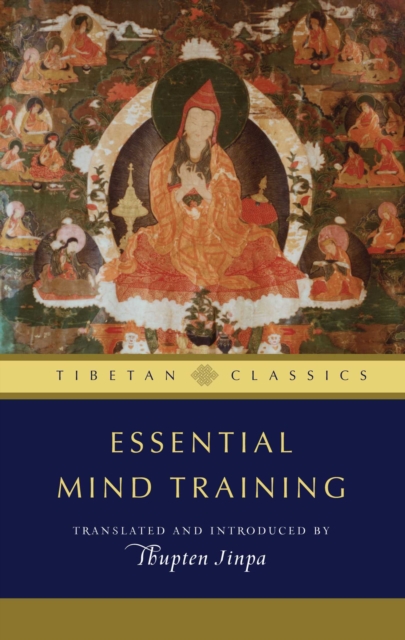
Essential Mind Training is the first volume in the Tibetan Classics series, which aims to make available accessible paperback editions of key Tibetan Buddhist works drawn from Wisdom Publications' Library of Tibetan Classics.
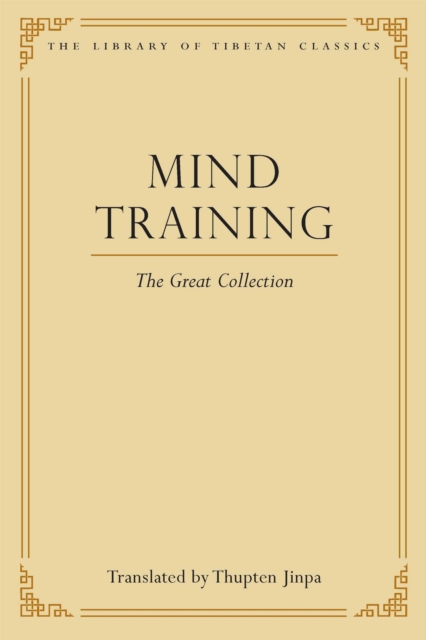
Compiled in the fifteenth century, Mind Training: The Great Collection is the earliest anthology of a special genre of Tibetan literature known as "e;mind training,"e; or lojong in Tibetan.
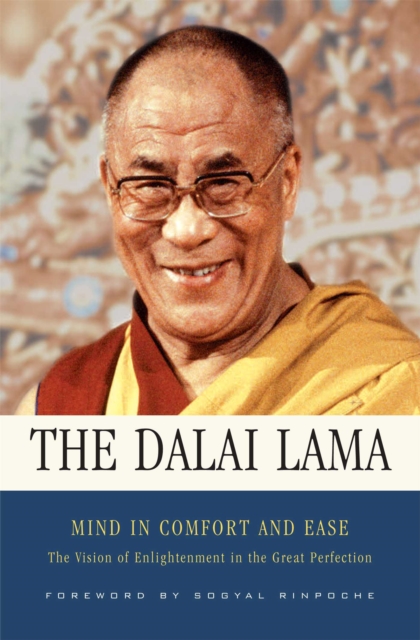
Here, in a teaching of outstanding completeness and clarity, the Dalai Lama sets out the key principles of Buddhism, showing how the mind can be transformed, and suffering overcome, through love, compassion, and a true understanding of the nature of reality.
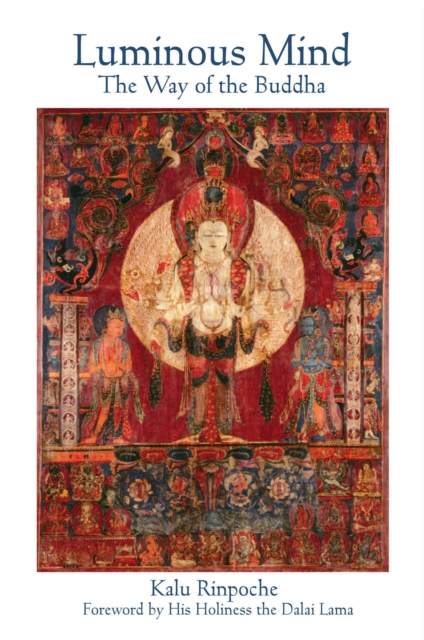
Luminous Mind is a remarkable compilation of the oral and written teachings of the late Kalu Rinpoche - who was called "e;a beacon of inspiration"e; by the Dalai Lama.
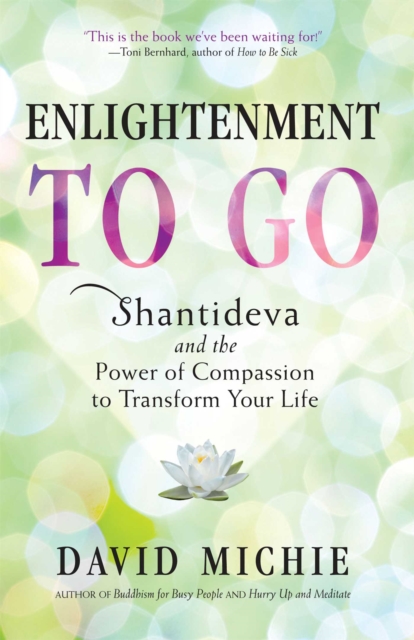
Essential reading for those seeking life-changing psychological tools and transcendent wisdom, Enlightenment to Go provides a lively and accessible introduction to the 'best of' Shantideva.
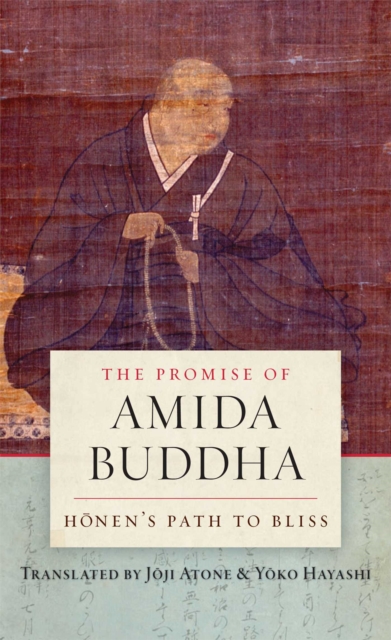
The Promise of Amida Buddha is the first complete English translation of a seminal collection of writings by the Japanese Pure Land school's founder, Honen-shonin (1133-1212).
The Way to Buddhahood is a compendium of two thousand years of Chinese practice in assimilating and understanding the Buddhist experience of enlightenment.
When Adhe Tapontsang--or Ama (Mother) Adhe, as she is affectionately known--left Tibet in 1987, she was allowed to do so on the condition that she remain silent about her twenty-seven years in Chinese prisons.
Revered by many--especially His Holiness the Dalai Lama--as the very embodiment of altruism, the late Khunu Rinpoche Tenzin Gyaltsen devoted his life to the development of bodhicitta--the aspiration to achieve enlightenment for the sake of all sentient beings.
In his previous book, The Attention Revolution, bestselling author Alan Wallace guided readers through the stages of shamatha, a meditation for focusing the mind.