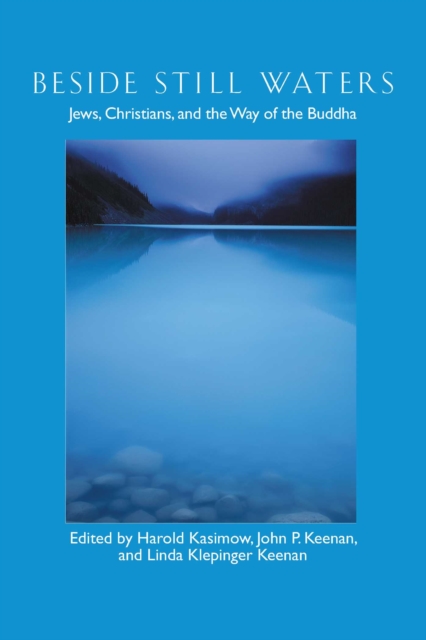
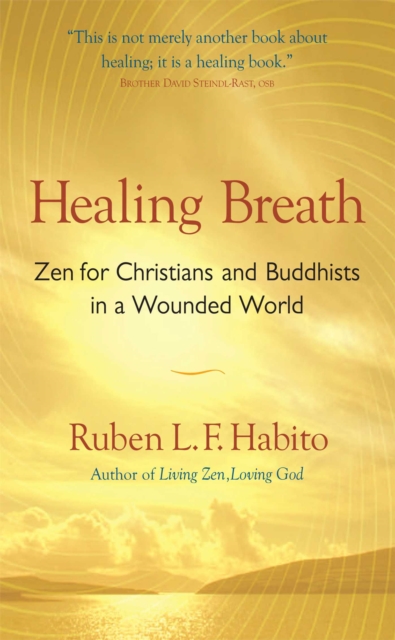
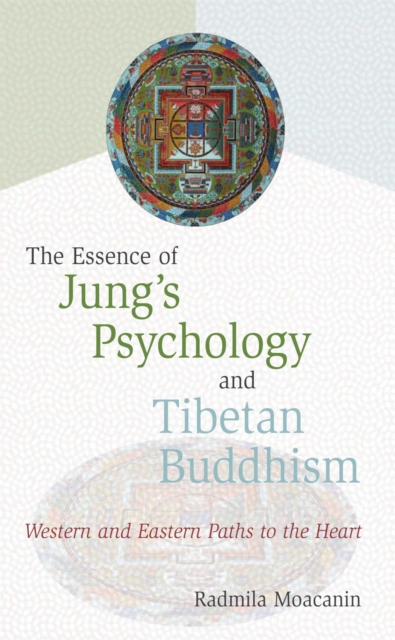
A compelling question for people of faith today is how to remain committed to ones own religious tradition while being open to the beauty and truth of other religions.
Exploring crucial points on the path to enlightenment, Stages of the Path literature continues to hold its place as one of the great treasures of Buddhist thought.
The Essence of Zen is an expert's guided tour of the ins and outs of the tradition's approach to meditation, enlightenment, and the oneness of all things.
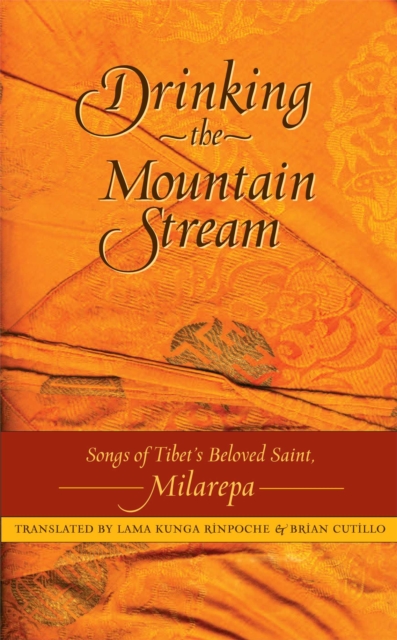
Jetsun Milarepa, Tibet's renowned and beloved saint, is known for his penetrating insights, wry sense of humor, and ability to render any lesson into spontaneous song.
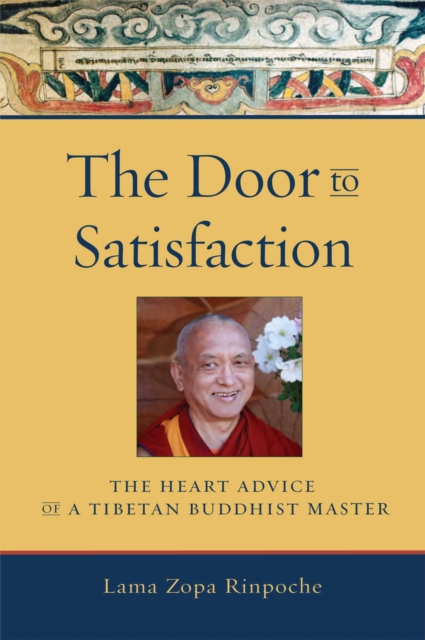
In Door to Satisfaction Lama Zopa Rinpoche reveals a text he discovered in a cave in the Himalayas that captures the essential point of Buddhist training.
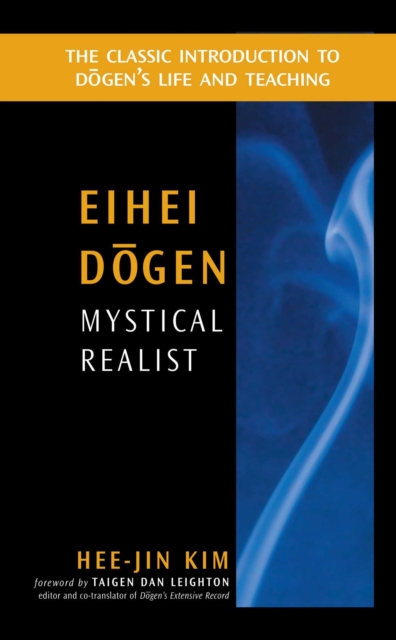
Eihei Dogen, the founder of the Japanese branch of the Soto Zen Buddhist school, is considered one of the world's most remarkable religious philosophers.
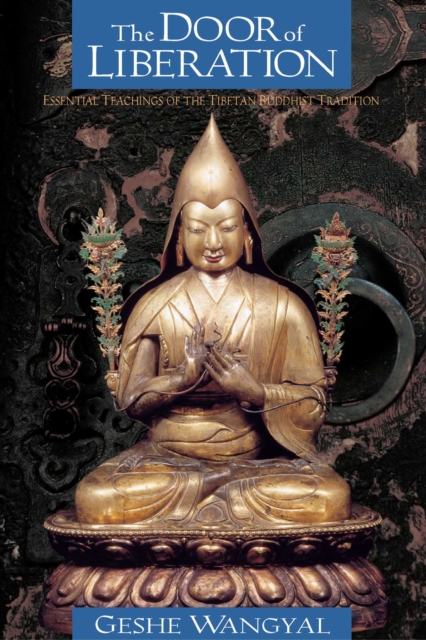
This book contains seven fundamental Buddhist texts considered essential to Western students by Geshe Wangyal, who first brought Tibetan Buddhism to America.
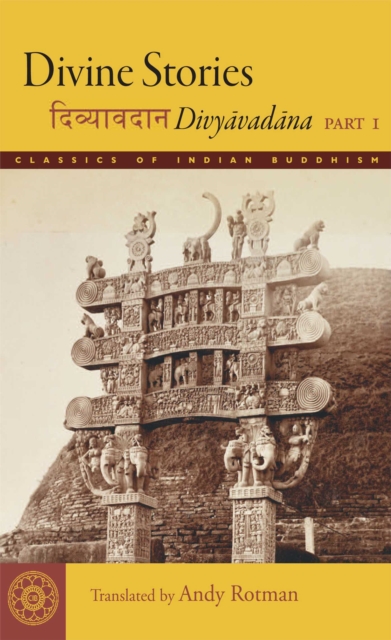
Divine Stories is the inaugural volume in a landmark translation series devoted to making the wealth of classical Indian Buddhism accessible to modern readers.
In this brilliant new translation and commentary on The Diamond Sutraone of the sublime wisdom teachings of Mahayana BuddhismMu Soeng integrates this ancient wisdom teaching with current scientific and psychological thought.
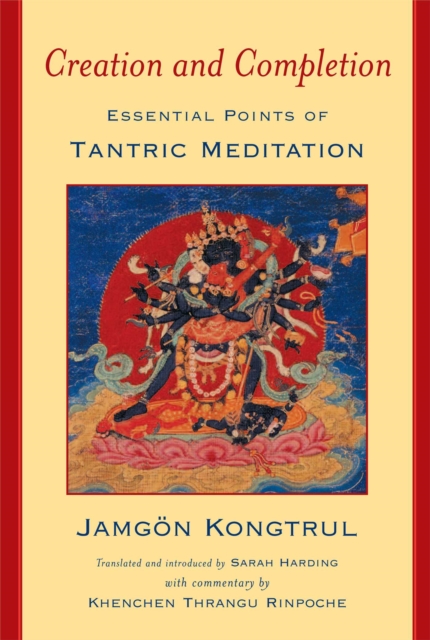
Creation and Completion represents some of the most profound teachings of Jamgon Kongtrul (1813-99), one of the true spiritual and literary giants of Tibetan history.
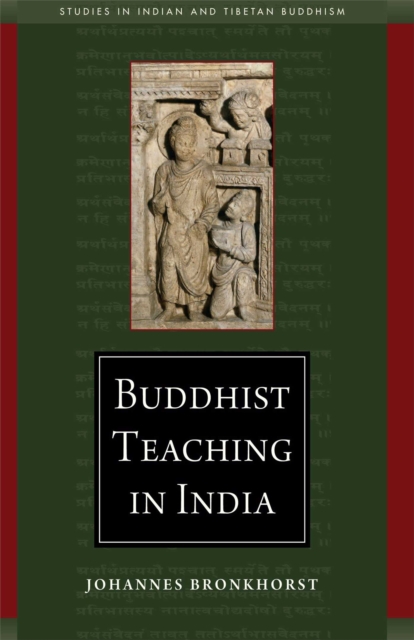
The earliest records we have today of what the Buddha said were written down several centuries after his death, and the body of teachings attributed to him continued to evolve in India for centuries afterward across a shifting cultural and political landscape.
In this fascinating study, Dagyab Rinpoche not only explains the nine best-known groups of Tibetan Buddhist symbols but also shows how they serve as bridges between our inner and outer worlds.
Exploring the long history of cultural exchange between 'the Roof of the World' and 'the Middle Kingdom,' Buddhism Between Tibet and China features a collection of noteworthy essays that probe the nature of their relationship, spanning from the Tang Dynasty (618 - 907 CE) to the present day.
Sumi Loundons Blue Jean Buddha was hailed by the New York Times Review of Books as a bellwether anthology--mapping the spiritual trails followed by a generation of American Buddhist youths.
The Kadam school of Tibetan Buddhism emerged in the eleventh century from the teachings of the Indian master Atisa and his principal Tibetan student, Dromtonpa.
The Book of Equanimity contains the first-ever complete English language commentary on one of the most beloved classic collections of Zen teaching stories (koans), making them vividly relevant to spiritual seekers and Zen students in the twenty-first century.
In an age when the Dalai Lama's image has been used to sell computers, rock stars have used tantra to enhance their image, and for many, Nirvana calls to mind a a favorite band, what does Buddhism mean to twenty-somethings?
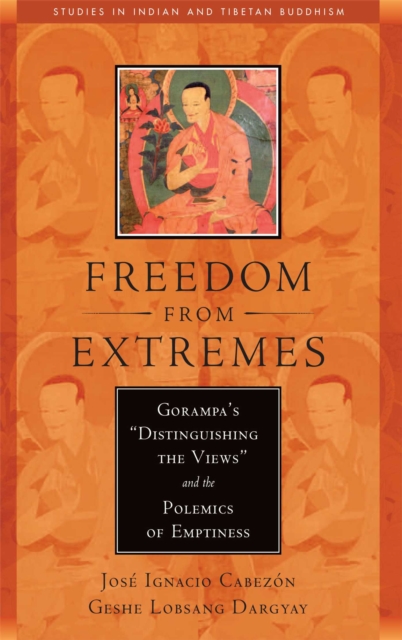
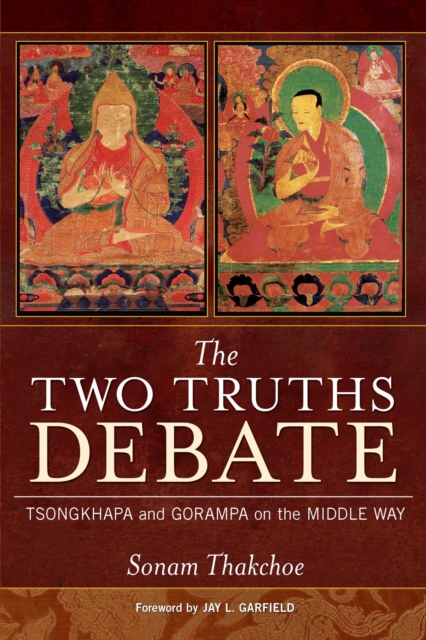
All lineages of Tibetan Buddhism today claim allegiance to the philosophy of the Middle Way, the exposition of emptiness propounded by the second-century Indian master Nagarjuna.
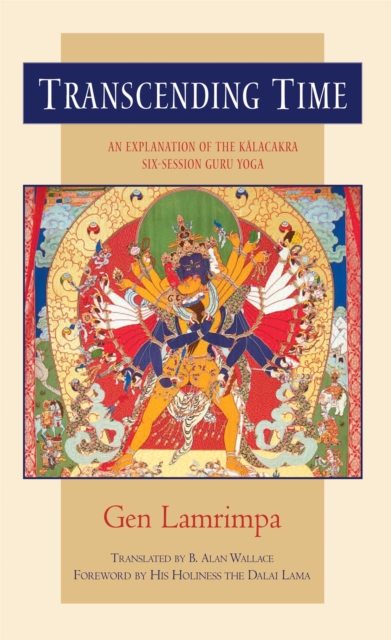
Inspired by years of scholarly training and decades of solitary retreat, Tibetan monk Gen Lamrimpa offers a concise overview of all phases of the Kalachakra practice: the preliminaries, the initiation, and finally, the stages of generation and completion.
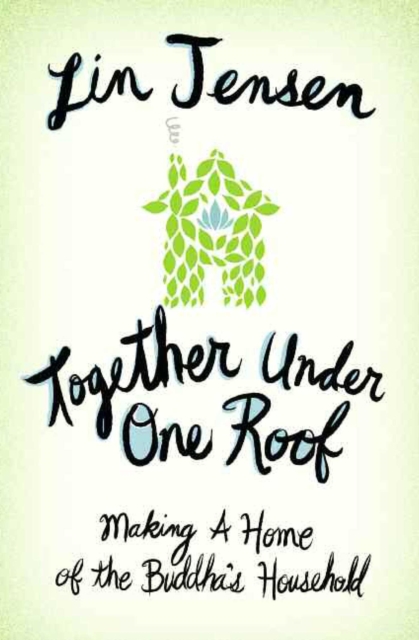
In Together Under One Roof, Lin Jensen turns his keen eye and powerful prose explicitly to the teachings of the Buddha, to traditional Zen stories, and to the practices of meditation and compassion--as well as the intricacies of everyday language and the natural world, truth and beauty, family, and the myriad ways our simplest actions affect our whole lives.
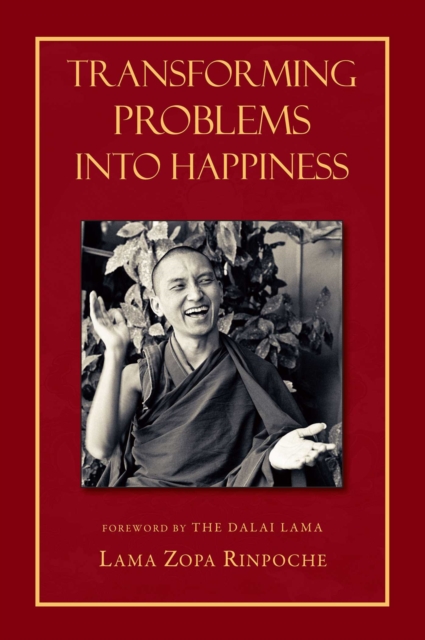
As long as our minds are dominated by the conditions of the external world, we are bound to remain in a state of dissatisfaction, always vulnerable to grief and fear.
The Crystal Mirror of Philosophical Systems, by Thuken Losang Chokyi Nyima (1737-1802), is arguably the widest-ranging account of religious philosophies ever written in pre-modern Tibet.
The tradition known as the Path with the Result, or Lamdre, is the most important tantric system of meditation practice and theory in the Sakya school of Tibetan Buddhism.
Steps on the Path to Englightenment: The Foundation Practices marks the first volume of a much-anticipated, comprehensive commentary on the Lamrim Chenmo by the renowned Buddhist scholar, Geshe Sopa.
In The State of Mind Called Beautiful, Burmese meditation master Sayadaw U Pandita lays out the breadth, depth, and wealth of the Theravadan tradition of Buddhism.