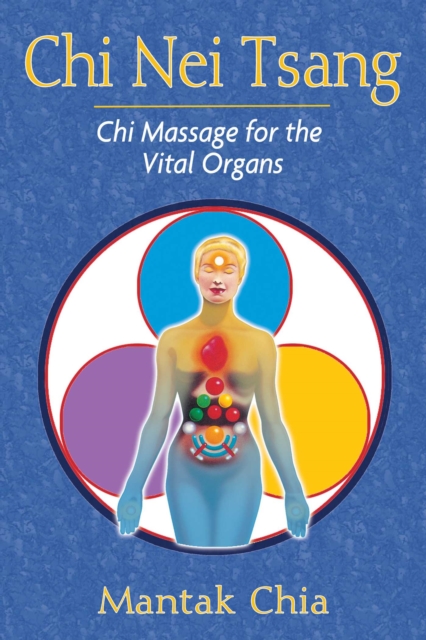
An ancient Taoist system for detoxifying and rejuvenating the internal organs Presents techniques to clear blockages in the bodys energy flow Includes illustrated exercises to relieve common ailments, revitalize the organs, and enable readers to take charge of their own health and well-being Focuses on the navel center, where negative emotions, stress, and illness accumulate The techniques of Chi Nei Tsang evolved in Asia during an era when few physicians were available and people had to know how to heal themselves.
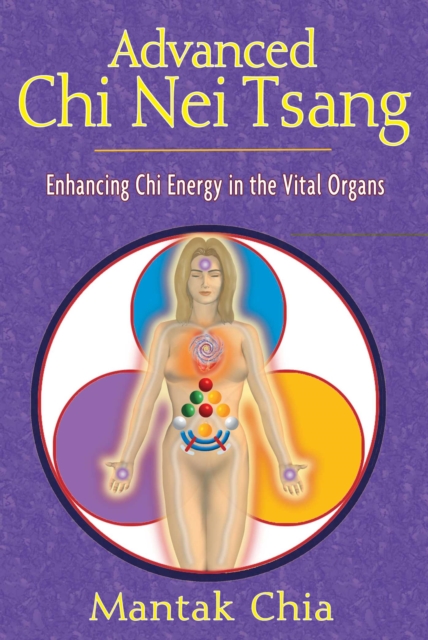
Advanced Taoist techniques for detoxifying and rejuvenating the internal organs through the release of negative chi Works with the navel center, where negative emotions, stress, and illness accumulate Presents advanced techniques to release negative energy from the body and reestablish a healthy flow of vital energy to internal tissues and organs From the Taoist point of view, good health depends upon the free flow of chi--healthy life-force energy--throughout the body.
Explains how the initiatory practices of the Ninja can be used to achieve self-mastery Uses the five human archetypes of lover, seeker, magus, soul warrior, and mystic Shows how to access kuji-kiri, the positive energy of the Ninja Godai, to dispel fear, disempowerment, and soul fatigue The Ninja are a mysterious warrior elite said to be so spiritually advanced they knew the mind and will of God.
A new translation and analysis of one of the most controversial of the apocryphal gospels Emphasizes an initiatic marriage between the male and female principles as the heart of the Christian mystery Bears witness to the physical relationship shared by Jesus and Mary Magdalene Translated from the Coptic and analyzed by the author of the bestselling The Gospel of Mary Magdalene (over 90,000 sold The mainstream position of the Christian church on sexuality was perhaps best summed up by Pope Innocent III (1160-1216) when he stated that the sexual act is so shameful that it is intrinsically evil.
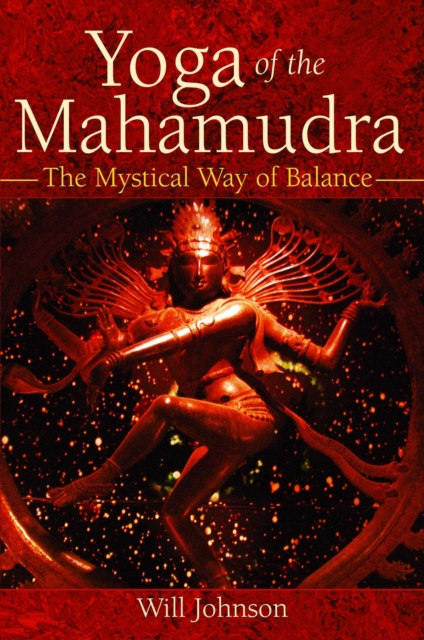
Presents three simple yogic principles from Tilopa's Song of Mahamudra Explains how balance is the key to achieving higher consciousness Includes somatic koansMahamudra, literally "e;the great gesture,"e; is often looked upon as the highest manifestation of consciousness known within the Tibetan Vajrayana tradition.
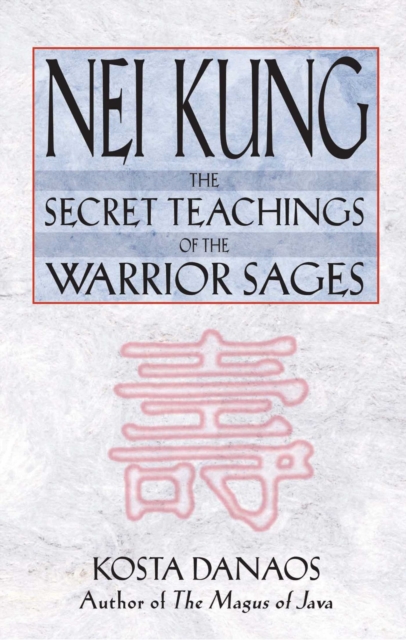
Explains the science behind the practice of nei kung, the elemental nature of yin and yang energy--the two components of ch'i, and how learning to control the yang energy in our ch'i can result in the release of dynamic energy.
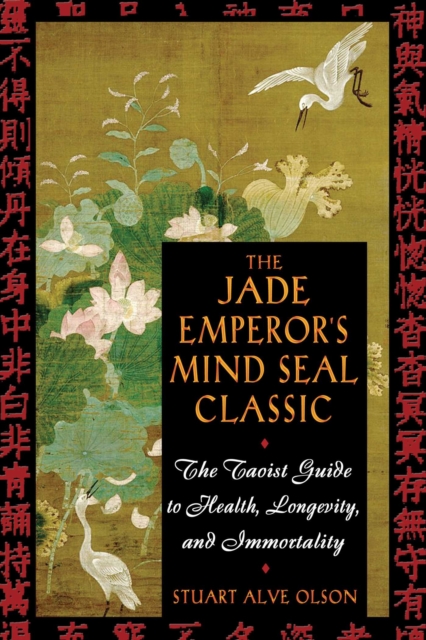
The first English translation with commentary of three classic Taoist texts on immortality Translates The Jade Emperors Mind Seal Classic, The Immortals, and The Three Treasures of Immortality Defines the Taoist concept of immortality and examines the lives and practices of Taoists who achieved this state Reveals the steps needed to achieve immortality in our modern societyTaoist mystics claim that it is possible to achieve immortality: Within each of us dwells the medicine to cure the affliction of mortality.
How do you let the Spirit work in you to bear good fruit when you're dealing with the never-ending drama of social media, a frustrating coworker, or the aggravating next-door neighbor?
A disturbing portrait of a modern American family'Imagine Richard Yates becoming fascinated by Donald Antrim before writing Revolutionary Road and you'll have some idea of Love Orange.
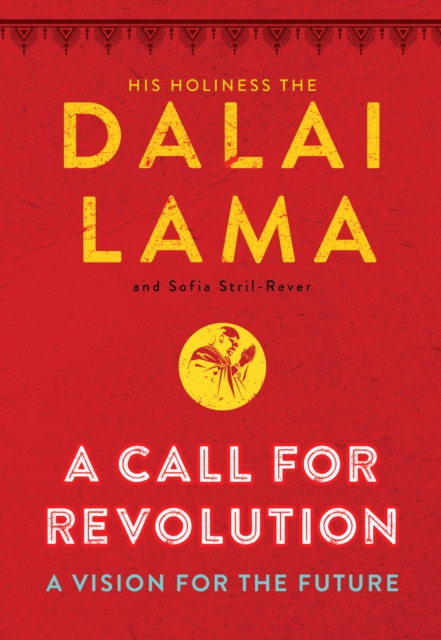
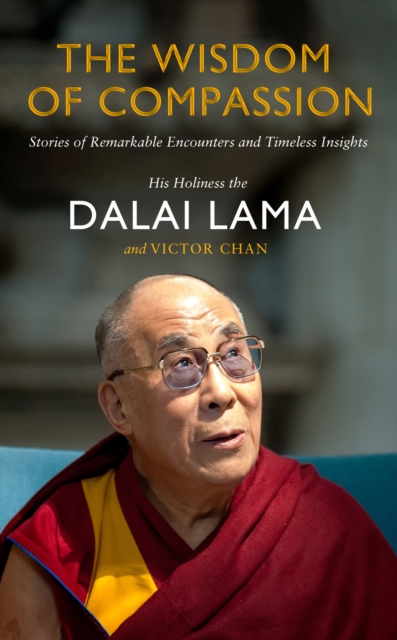
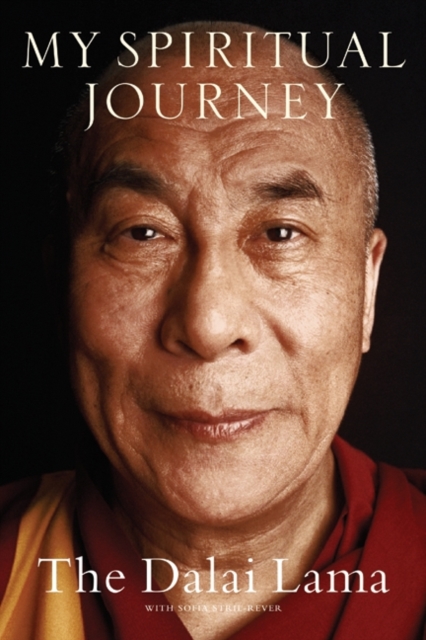
THE INTERNATIONAL BESTSELLER * A LIBRARY JOURNAL BEST BOOK OF THE YEAR * A SPIRITUALITY & PRACTICE BOOK AWARD WINNER* A NAUTILUS BOOK AWARD WINNERA Landmark Message from His Holiness the Dalai Lama: Are we ready to hear it?
Still, in the City is a collection of stories about the practice of urban Buddhismwhen a New York City subway becomes a mobile temple, when Los Angeles traffic becomes a vehicle for awakening, when a Fifth Avenue sidewalk offers a spiritual path through craving, generosity, and sorrow.
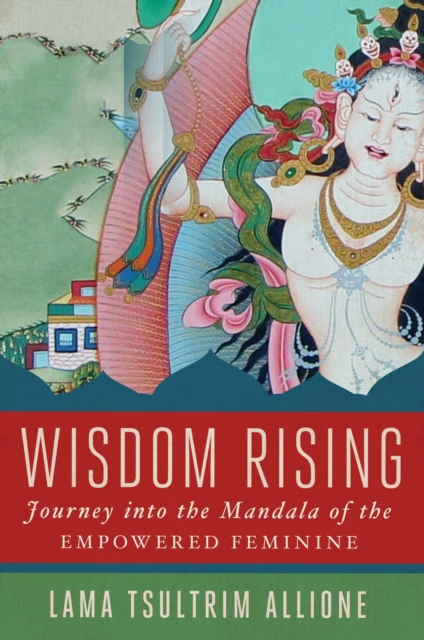
Through her own story of loss and spiritual seeking, paired with mandala meditations and rituals, bestselling author of Feeding Your Demons Lama Tsultrium Allione teaches you how to embody the enlightened, fierce power of the sacred femininethe tantric dakinis.
Charlie's Christmas Letter is a little document in the form of a letter to my grandson, which seeks to answer the questions that a bright teenager ought to be asking: Why were the shepherds in the fields in winter?
This selection from Thich Nhat Hanhs bestselling The Art of Power illuminates the core Buddhist concept of mindfulness for the Western readerIn The Art of Mindfulness, one of the most revered Buddhist teachers in the world, Thich Nhat Hanh delivers a life changing practice to overcome our overdriven mind, to let go of preoccupations and multitasking and focus solely on the task at hand.
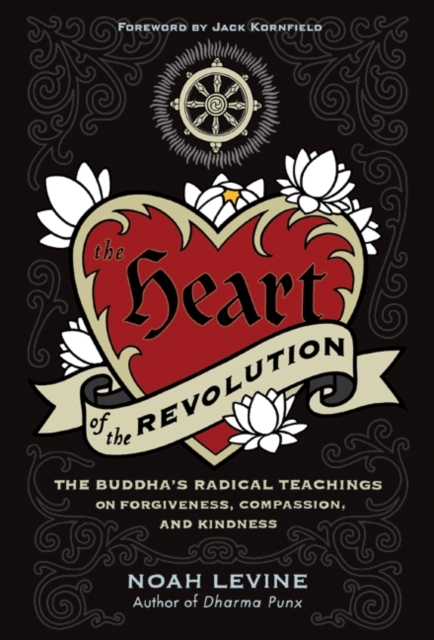
Bestselling author and renowned Buddhist teacher Noah Levine adapts the Buddha's Four Noble Truths and Eight Fold Path into a proven and systematic approach to recovery from alcohol and drug addictionan indispensable alternative to the 12-step program.
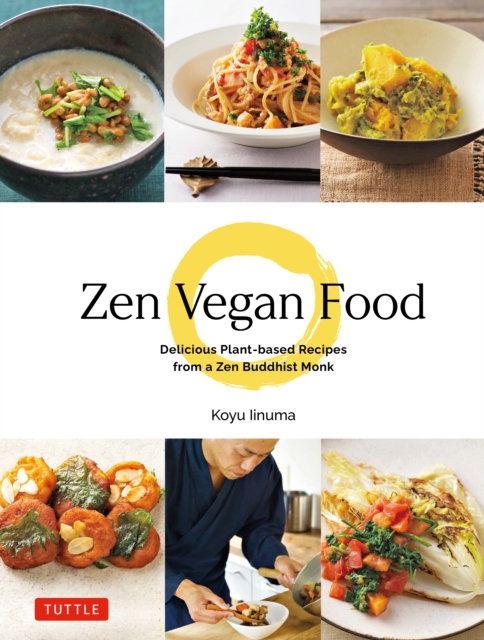
In this book, Buddhist temple priest and chef Koyu Iinuma shares the simple and delicious plant-based meals he prepares in the kitchens of Fukushoji temple in Yokohama, Japan.
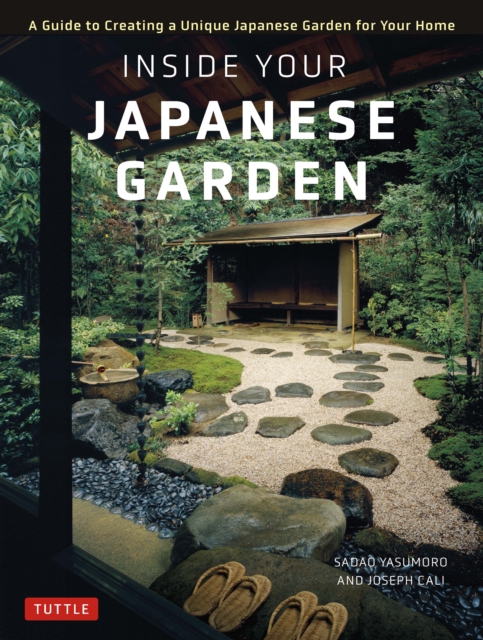
Zen Buddhist priest Shunmyo Masuno understands that today's busy world leaves little time or space for self-reflection, but that a gardeneven in the most urban of spacescan provide some respite.
Thousands of readersfrom prisoners to priestshave embraced Jerry Braza's insights in this book, adopting and integrating the mindful practices and habits it presents.
For those searching for mindful moments or for a more engaged way of navigating life in the twenty-first century, Buddhism for Beginners opens the door to understanding Buddhism's key concepts and practices.
Introduction to Zen Training is a translation of the Sanzen Nyumon, a foundational text for beginning meditation students by Omori Sogenone of the foremost Zen teachers of the twentieth century.
The Japanese Tea Ceremony is a detailed examination of the five-centuries-old tea ceremonyor Cha-no-Yu in Japanese, literally "e;hot water for tea"e;a cornerstone of Japanese culture and a core practice of Zen Buddhism.
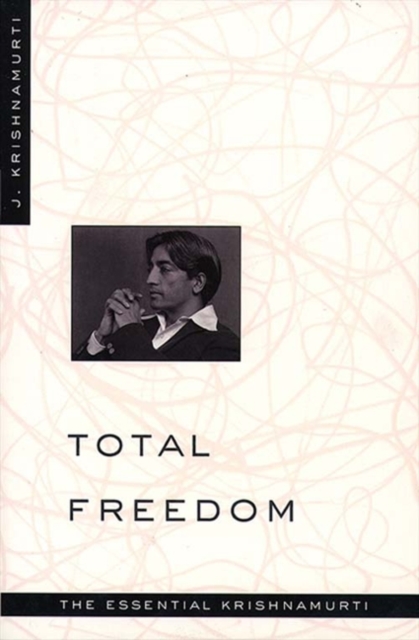
Counted among his admirers are Jonas Salk, Aldous Huxley, David Hockney, and Van Morrison, along with countless other philosophers, artist, writers and students of the spiritual path.
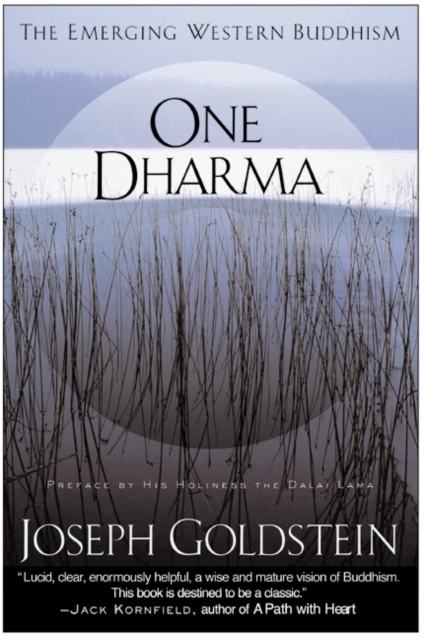
One of America's foremost Buddhist teachers shares a "e;wise and mature vision of Buddhism [that is] destined to be a classic"e;-preface by the Dalai Lama (Jack Kornfield).
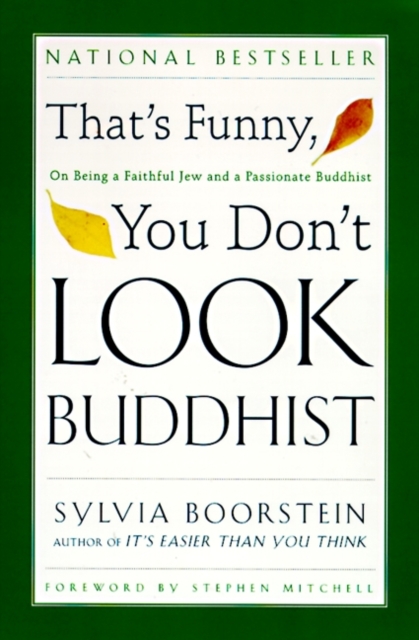
This "e;touching and funny"e; book by a Jewish Buddhist "e;giv[es] a sense of the richness that comes with opening to more than one way of spiritual observance"e;(San Francisco Chronicle).