As a religion concerned with universal liberation, Zen grew out of a Buddhist worldview very different from the currently prevalent scientific materialism.
A great deal of Buddhist literature and scholarly writing about Buddhism of the past 150 years reflects, and indeed constructs, a historically unique modern Buddhism, even while purporting to represent ancient tradition, timeless teaching, or the "e;essentials"e; of Buddhism.
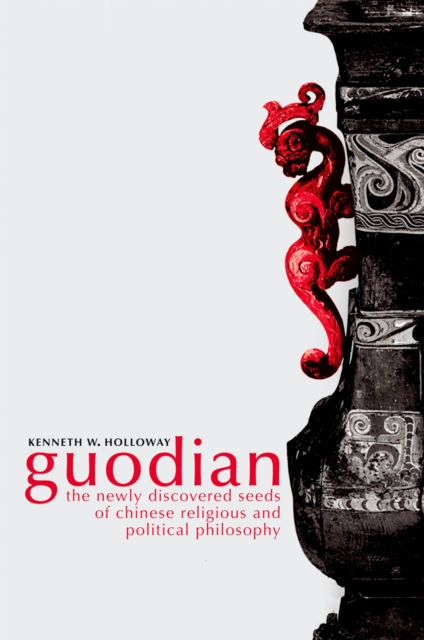
The Daode Jing, a highly enigmatic work rooted in ancient Chinese cosmology, ontology, metaphysics, and moral thinking, is regularly offered to college and high-school students in religion, philosophy, history, literature, Asian studies, and humanities courses.
Although Buddhism is often depicted as a religion of meditators and philosophers, some of the earliest writings extant in India offer a very different portrait of the Buddhist practitioner.
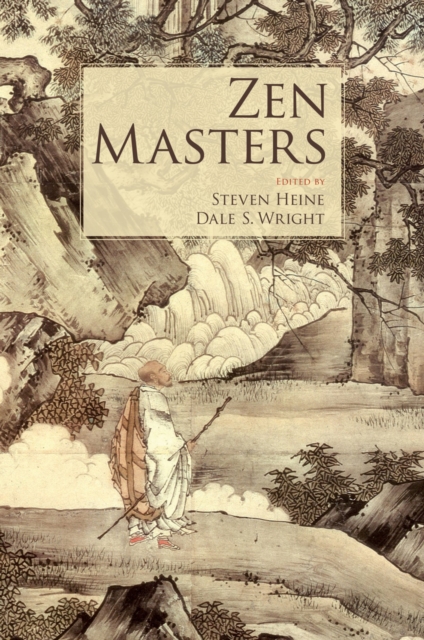
Extending their successful series of collections on Zen Buddhism, Heine and Wright present a fifth volume, on what may be the most important topic of all - Zen Masters.
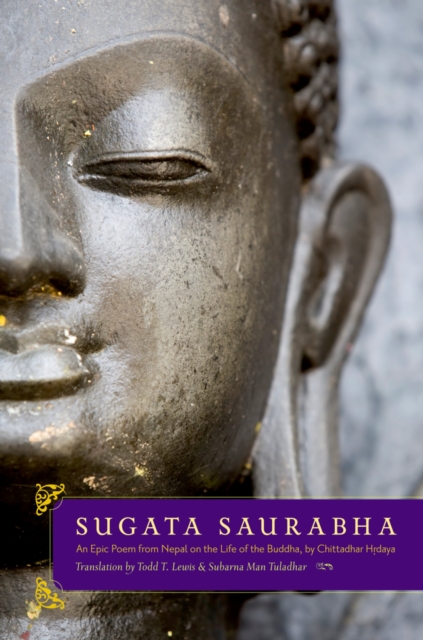
This rendering of the Sugata Saurabha, in a long line of accounts of the Buddha's life dating back almost 2,000 years, may be the last ever to be produced that conforms to the traditions of Indic classic poetry.
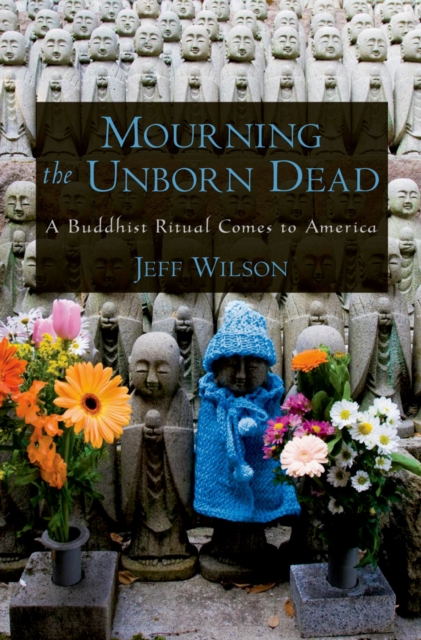
Many Western visitors to Japan have been struck by the numerous cemeteries for aborted fetuses, which are characterized by throngs of images of the Bodhisattva Jizo, usually dressed in red baby aprons or other baby garments, and each dedicated to an individual fetus.
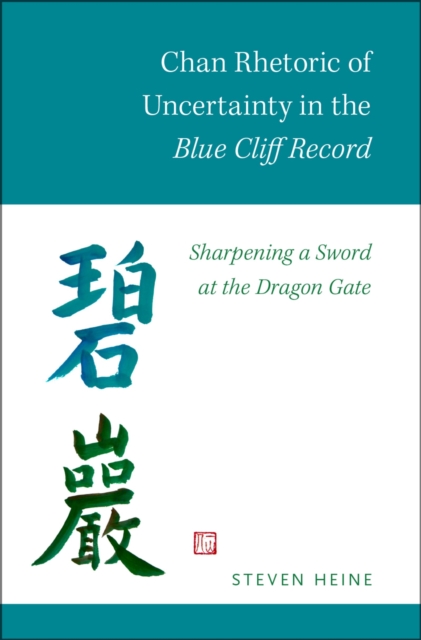
This book provides an in-depth textual and literary analysis of the Blue Cliff Record (Chinese Biyanlu, Japanese Hekiganroku), a seminal Chan/Zen Buddhist collection of commentaries on one hundred gongan/koan cases, considered in light of historical, cultural, and intellectual trends from the Song dynasty (960-1279).
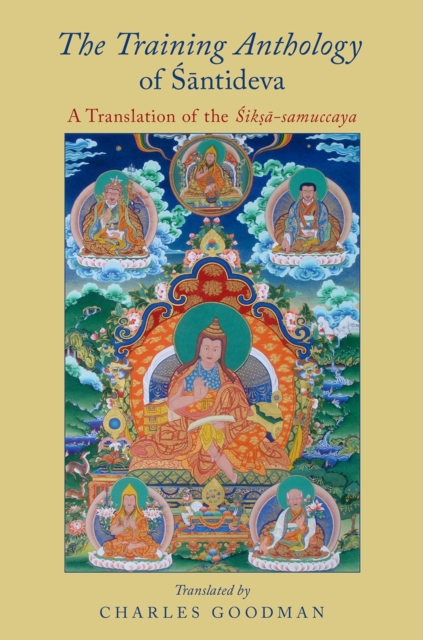
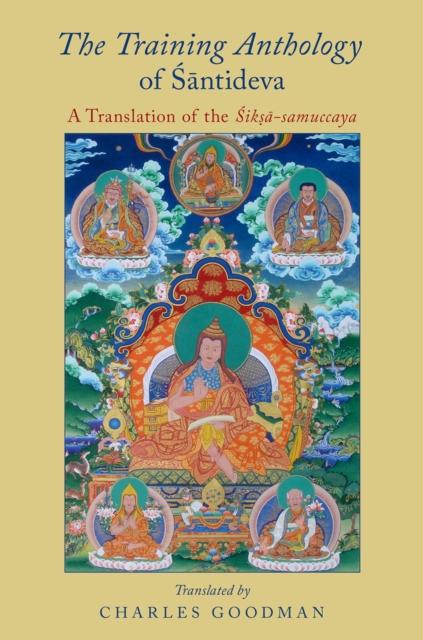
The Training Anthology--or Siksa-samuccaya--is a collection of quotations from Buddhist sutras with illuminating and insightful commentary by the eighth-century North Indian master Santideva.
The Training Anthology--or Siksa-samuccaya--is a collection of quotations from Buddhist sutras with illuminating and insightful commentary by the eighth-century North Indian master Santideva.
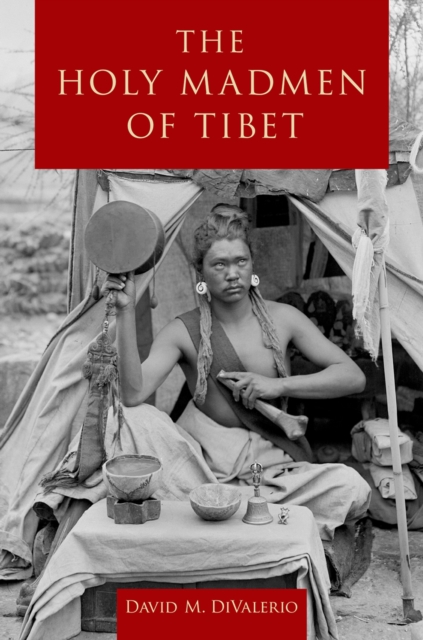
Throughout the past millennium, certain Tibetan Buddhist yogins have taken on profoundly norm-overturning modes of dress and behavior, including draping themselves in human remains, consuming filth, provoking others to violence, and even performing sacrilege.
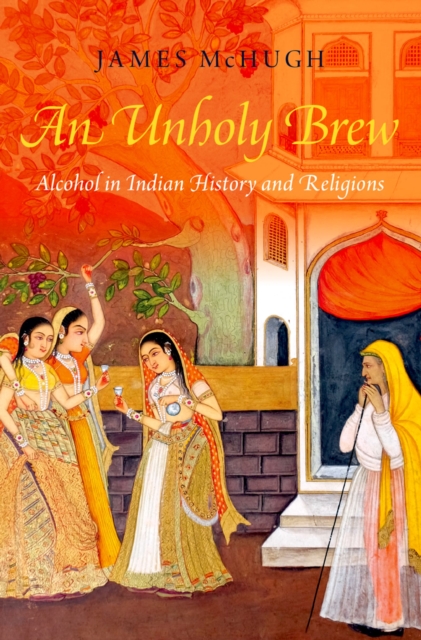
The first comprehensive book on alcohol in pre-modern India, An Unholy Brew: Alcohol in Indian History and Religions uses a wide range of sources from the Vedas to the Kamasutra to explore drinks and styles of drinking, as well as rationales for abstinence from the earliest Sanskrit written records through the second millennium CE.
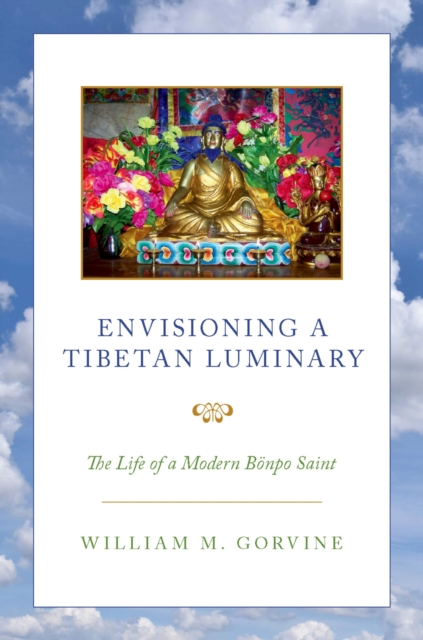
Envisioning a Tibetan Luminary examines the religious biography of Shardza Tashi Gyaltsen (1859-1934), the most significant modern figure representing the Tibetan Bon religion-a vital minority tradition that is underrepresented in Tibetan studies.
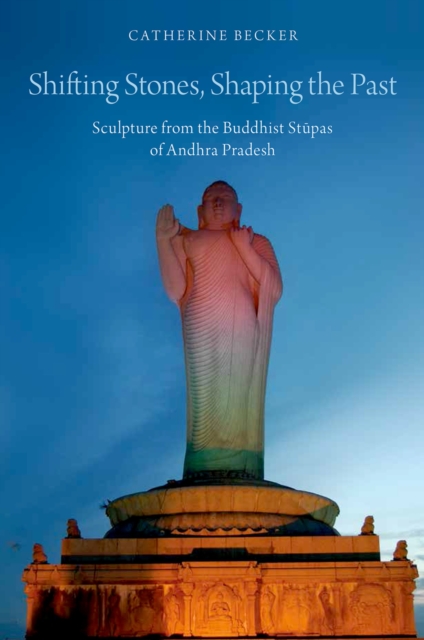
In this wide-ranging exploration of the creation and use of Buddhist art in Andhra Pradesh, India, Catherine Becker examines how material remains and visual experiences shape and reveal essential human concerns.
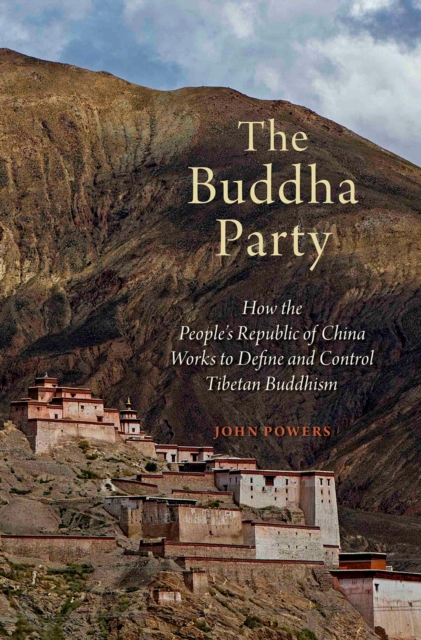
The Buddha Party tells the story of how the People's Republic of China employs propaganda to define Tibetan Buddhist belief and sway opinion within the country and abroad.
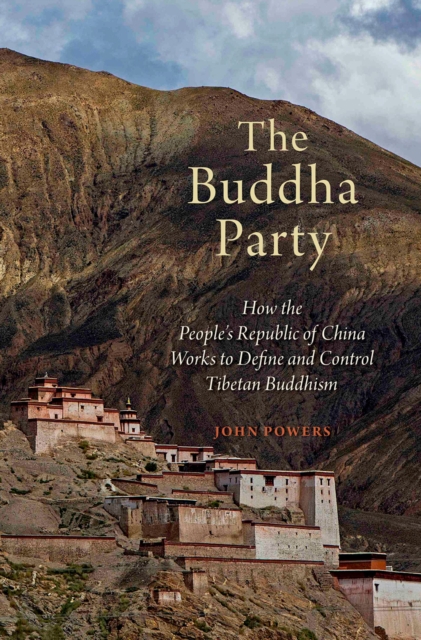
The Buddha Party tells the story of how the People's Republic of China employs propaganda to define Tibetan Buddhist belief and sway opinion within the country and abroad.
Dogen and Soto Zen builds upon and further refines a continuing wave of enthusiastic popular interest and scholarly developments in Western appropriations of Zen.
Since Zen Buddhism first captivated the attention of Western seekers the dominant discourse about this sect has been romantic, idealistic, and utopian.
This is a comprehensive study of Hongzhou school, which under the leadership of Mazu Daoyi (709-788) and his disciples emerged as the dominant tradition of Chan (Zen) Buddhism in China during the middle part of the Tang dynasty (618-907).
Dogen (1200-1253), the founder of the Soto Zen sect in Japan, is especially known for introducing to Japanese Buddhism many of the texts and practices that he discovered in China.
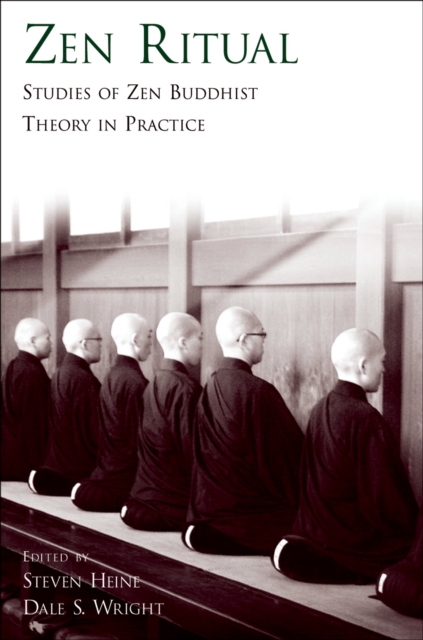
When books about Zen Buddhism began appearing in Western languages just over a half-century ago, there was no interest whatsoever in the role of ritual in Zen.
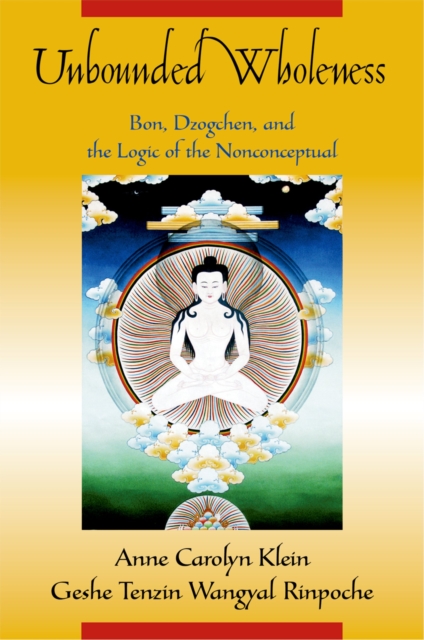
In this book, Anne Carolyn Klein, an American scholar and teacher of Buddhism, and Geshe Tenzin Wangyal Rinpoche, a rigorously trained Tibetan Lama who was among the first to bring Bon Dzogchen teachings to the West, provide a study and translation of the Authenticity of Open Awareness, a foundational text of the Bon Dzogchen tradition.
Despite Chinese efforts to stop foreign countries from granting him visas, the Dalai Lama has become one of the most recognizable and best loved people on the planet, drawing enormous crowds wherever he goes.