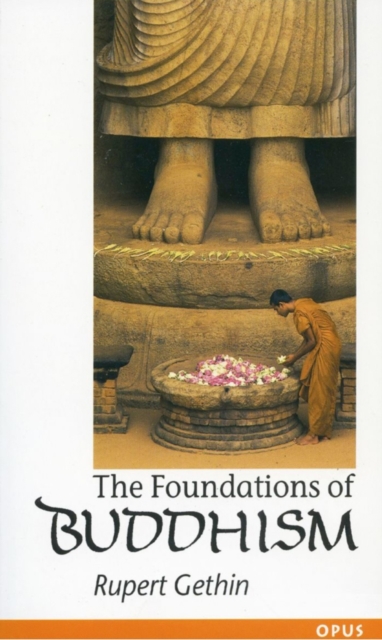
Buddhism is a vast and complex religious and philosophical tradition with a history that stretches over 2,500 years, and which is now followed by around 115 million people.
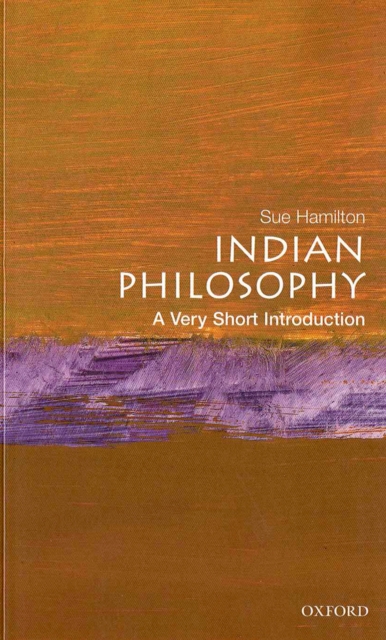
India has a long, rich, and diverse tradition of philosophical thought, spanning some two and a half millennia and encompassing several major religious traditions.
This new dictionary, now available in paperback as part of the best-selling Oxford Paperback Reference series, covers both historical and contemporary issues in Buddhism, and includes all Buddhist schools and cultures.
The Oxford Handbook of Early Christian Studies responds to and celebrates the explosion of research in this inter-disciplinary field over recent decades.
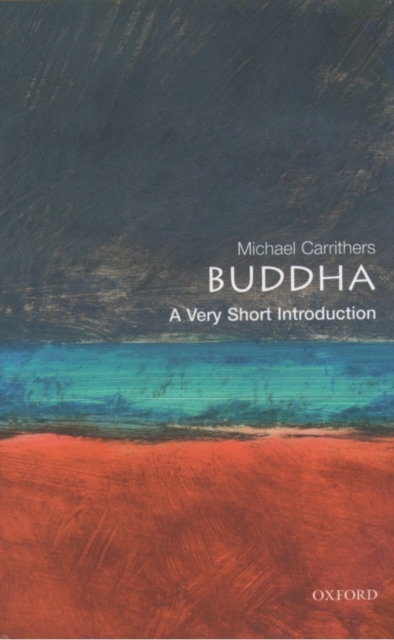
Michael Carrithers guides us through the complex and sometimes conflicting information that Buddhist texts give about the life and teaching of the Buddha.
India has a long, rich, and diverse tradition of philosophical thought, spanning some two and a half millennia and encompassing several major religious traditions.
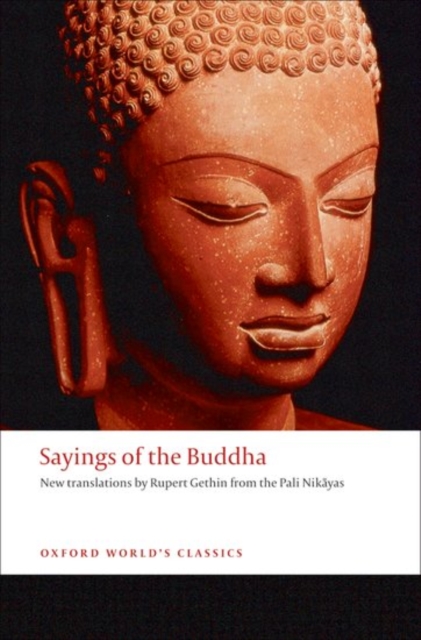
'As if someone were to hold up a lamp in the dark so that those with eyes could see - in exactly the same way Gotama has made the truth clear in various ways.
Lanfranc of Pavia was archbishop of Canterbury from 1070 to 1089, and so for nineteen critical years in the history of the Anglo-Norman church and kingdom after the Norman conquest of 1066.
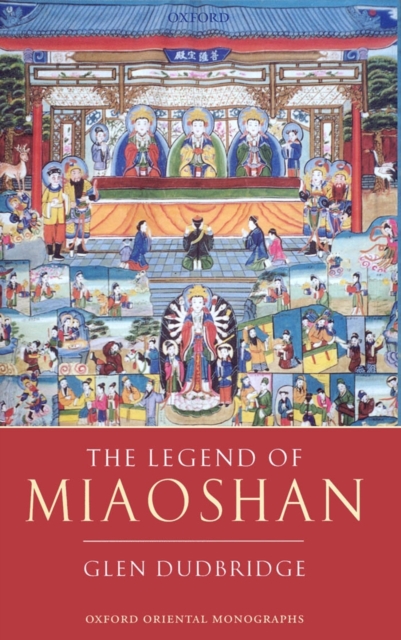
In Chinese legend, the princess Miaoshan defied her father by refusing to marry, and pursued her austere religious vocation to the death, but returned to life to be his saviour and the saviour of all mankind.
The idea that there is a truth within the person linked to the discovery of a deeper, more fundamental, more authentic self, has been a common theme in many religions throughout history and an idea that is still with us today.
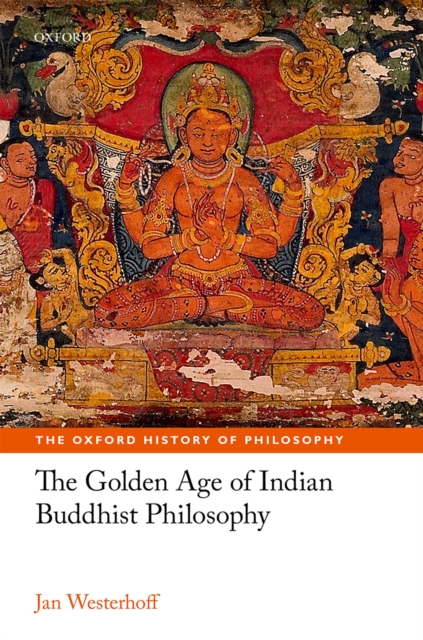
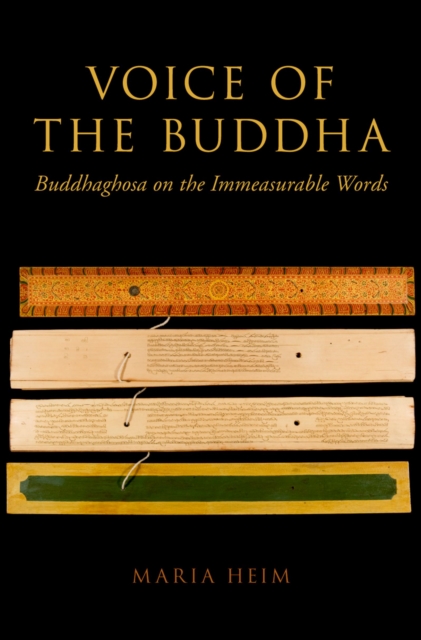
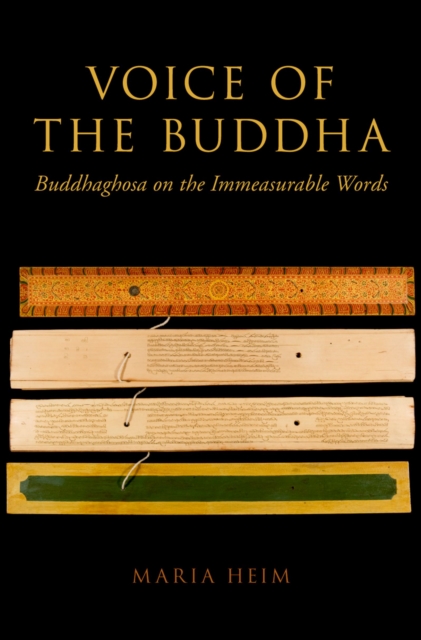
Jan Westerhoff unfolds the story of one of the richest episodes in the history of Indian thought, the development of Buddhist philosophy in the first millennium CE.
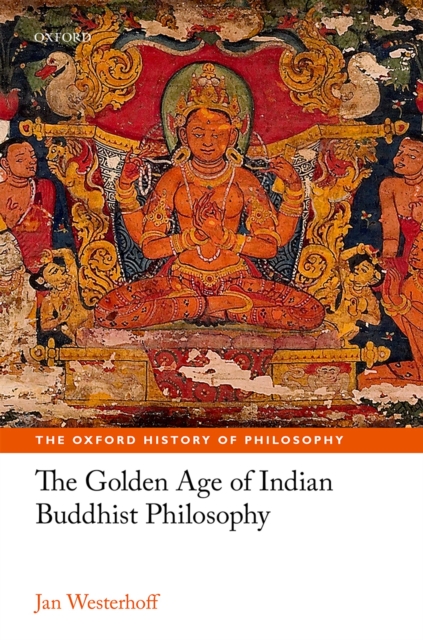
Jan Westerhoff unfolds the story of one of the richest episodes in the history of Indian thought, the development of Buddhist philosophy in the first millennium CE.
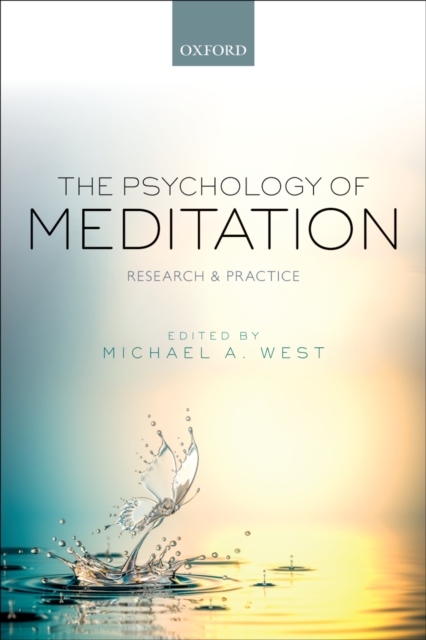
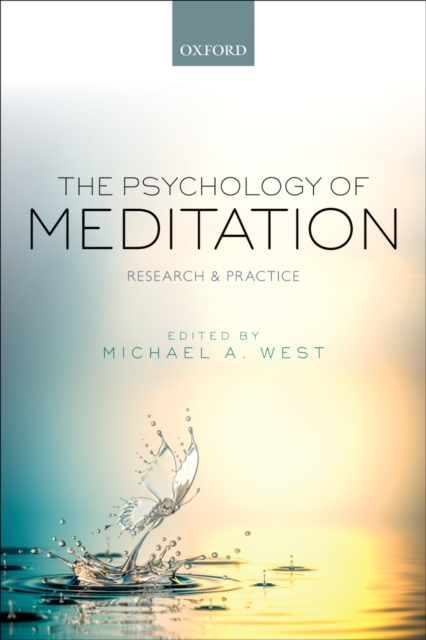
In the past 20 years meditation has grown enormously in popularity across the world, practised both by the general public, as well as by an increasing number of psychologists within their daily clinical practice.
In the past 20 years meditation has grown enormously in popularity across the world, practised both by the general public, as well as by an increasing number of psychologists within their daily clinical practice.
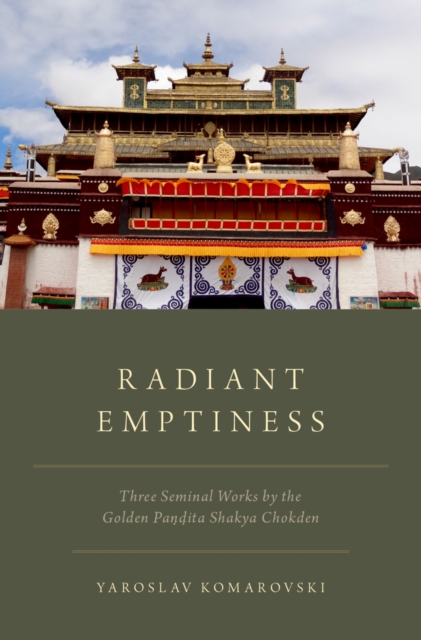
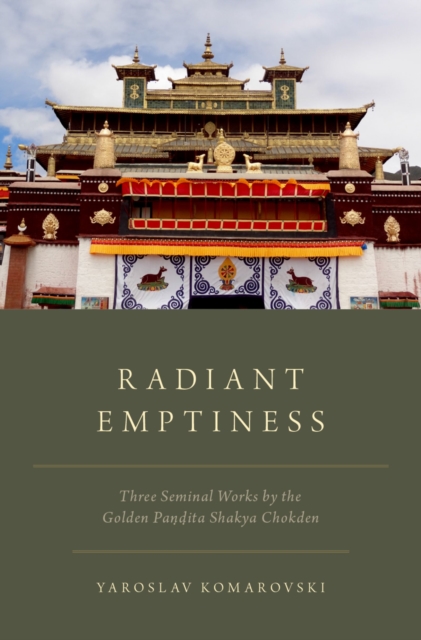
In Radiant Emptiness, Yaroslav Komarovski offers an annotated translation of three seminal works on the nature and relationship of the Yogacara and Madhyamaka schools of Buddhist thought, by Serdok Penchen Shakya Chokden (1428-1507).
In Radiant Emptiness, Yaroslav Komarovski offers an annotated translation of three seminal works on the nature and relationship of the Yogacara and Madhyamaka schools of Buddhist thought, by Serdok Penchen Shakya Chokden (1428-1507).
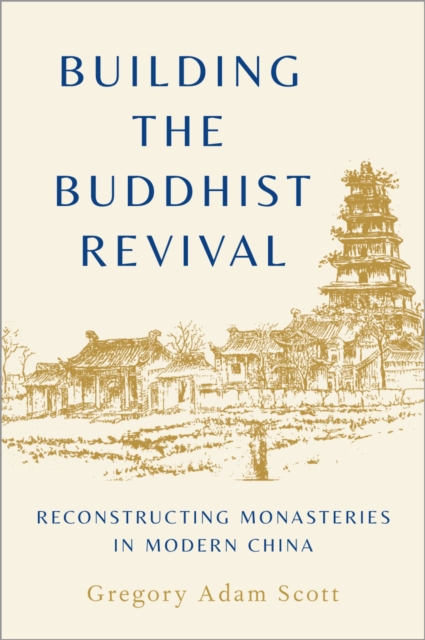
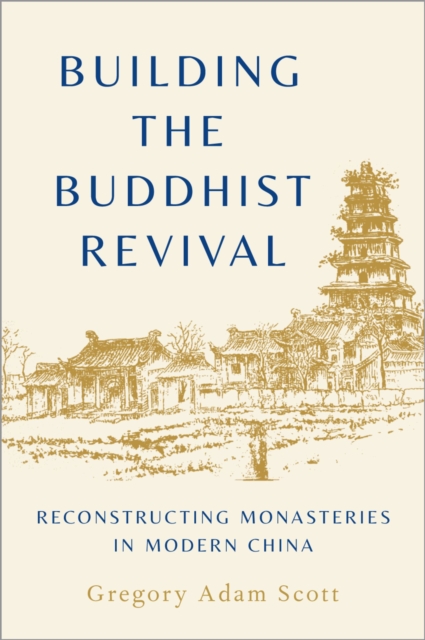
Between 1850 and 1966, tens of thousands of Buddhist sacred sites in China were destroyed, victims of targeted destruction, accidental damage, or simply neglect.
Between 1850 and 1966, tens of thousands of Buddhist sacred sites in China were destroyed, victims of targeted destruction, accidental damage, or simply neglect.
Envisioning a Tibetan Luminary examines the religious biography of Shardza Tashi Gyaltsen (1859-1934), the most significant modern figure representing the Tibetan Bon religion-a vital minority tradition that is underrepresented in Tibetan studies.
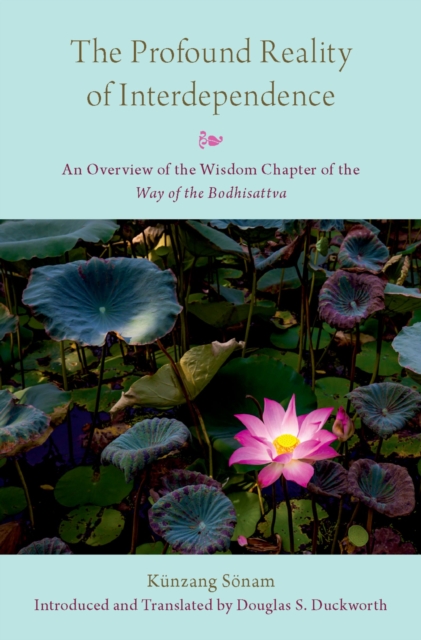
The Way of the Bodhisattva, composed by the monk and scholar Santideva in eighth-century India, is a Buddhist treatise in verse that beautifully and succinctly lays out the theory and practice of the Mahayana path of a bodhisattva.
The Way of the Bodhisattva, composed by the monk and scholar Santideva in eighth-century India, is a Buddhist treatise in verse that beautifully and succinctly lays out the theory and practice of the Mahayana path of a bodhisattva.
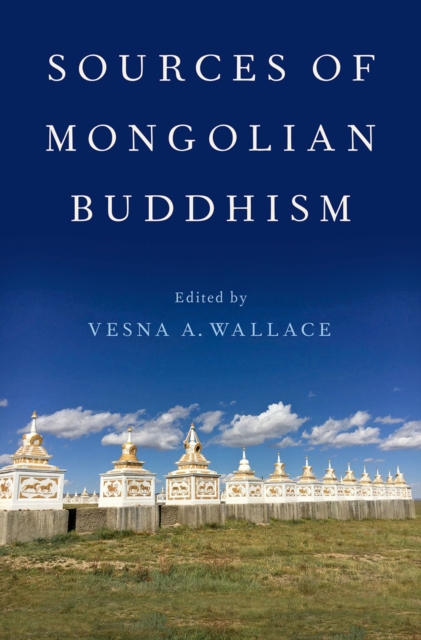
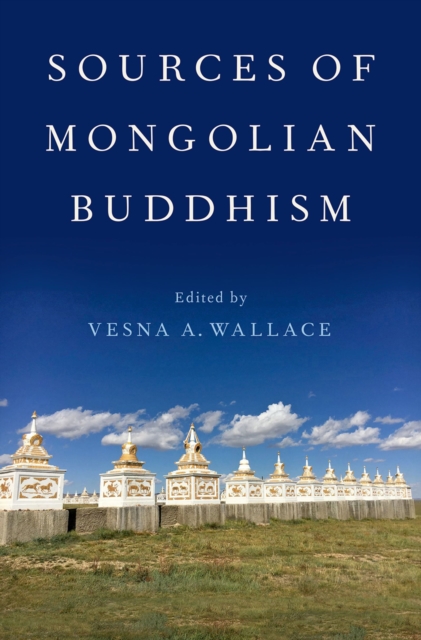
Despite Mongolia's centrality to East Asian history and culture, Mongols themselves have often been seen as passive subjects on the edge of the Qing formation or as obedient followers of so-called "e;Tibetan Buddhism,"e; peripheral to major literary, religious, and political developments.
Despite Mongolia's centrality to East Asian history and culture, Mongols themselves have often been seen as passive subjects on the edge of the Qing formation or as obedient followers of so-called "e;Tibetan Buddhism,"e; peripheral to major literary, religious, and political developments.
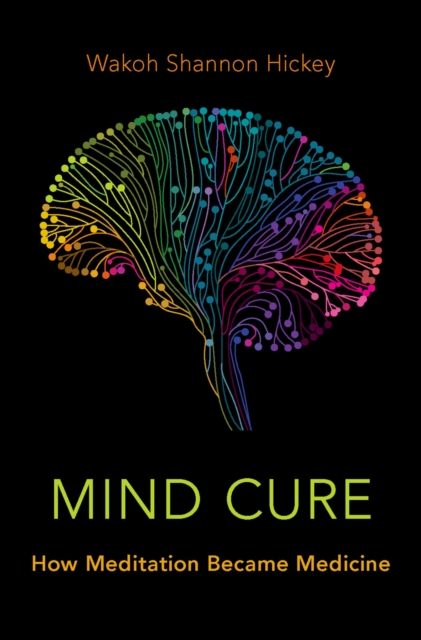
Mindful meditation is now embraced in virtually all corners of society today, from K-12 schools to Fortune 100 companies, and its virtues extolled by national and international media almost daily.
Mindful meditation is now embraced in virtually all corners of society today, from K-12 schools to Fortune 100 companies, and its virtues extolled by national and international media almost daily.
Zhu Xi (1130-1200) is the most influential Neo-Confucian philosopher and arguably the most important Chinese philosopher of the past millennium, both in terms of his legacy and for the sophistication of his systematic philosophy.
Zhu Xi (1130-1200) is the most influential Neo-Confucian philosopher and arguably the most important Chinese philosopher of the past millennium, both in terms of his legacy and for the sophistication of his systematic philosophy.