First published in 1938, Indian Realism is a reconstruction of the Yogacara Vijnanavada (Subjective Idealism) and an exhaustive criticism of it by the different schools of Indian realism.
First published in 1938, Indian Realism is a reconstruction of the Yogacara Vijnanavada (Subjective Idealism) and an exhaustive criticism of it by the different schools of Indian realism.
This book shows how Chinese wisdom originating many centuries ago is still highly relevant to our lives today as the Daoist classics provide insightful prescriptions on how to live a life full of happiness, contentment, and healthy longevity.
This lively introduction to Buddhist meditation offers students and practitioners alike a deeper understanding of what meditation is and its purpose and place in the context of different Buddhist schools.
This lively introduction to Buddhist meditation offers students and practitioners alike a deeper understanding of what meditation is and its purpose and place in the context of different Buddhist schools.
Im Zentrum des fesselnden Werkes ›Die Erfindung der reinen Vernunft‹ steht eine tiefgreifende Exploration der menschlichen Denkfähigkeit und deren Entwicklungen im Laufe der Zeit.
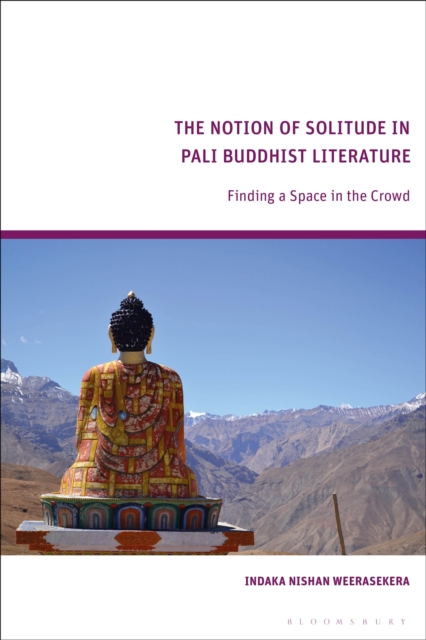
Exploring how notions of solitude in Pali literature are encompassed in various literary forms, such as stock formulae, poetry, narrative, and imagery, this book includes close analysis of some of the most famous Buddhist verses about solitary practice.
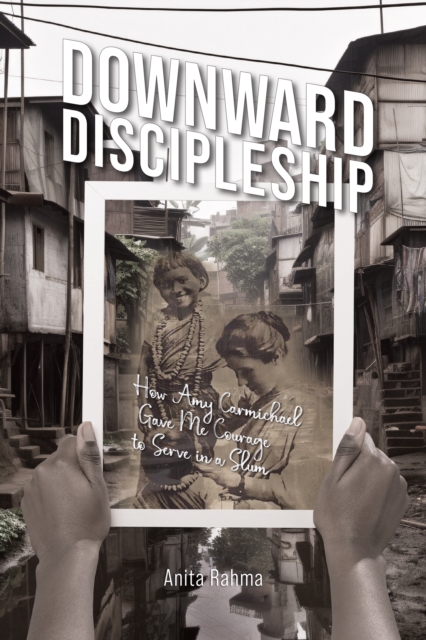
Moving to the Margins with Amy CarmichaelFollow in the footsteps of Amy Carmichael, whose defiance against injustice shined a light in Indias darkest corners.
Achtsamkeit und Mitgefühl als säkulare Techniken und Haltungen scheinen Räume für die Beantwortung von Bedürfnissen zu eröffnen, die wir alle haben: Wir sehnen uns nach Entschleunigung, Rückbesinnung, Akzeptanz, Wohlwollen und universellen menschlichen Werten.
Moving to the Margins with Amy CarmichaelFollow in the footsteps of Amy Carmichael, whose defiance against injustice shined a light in Indias darkest corners.
After the arrival of Buddhism toward the end of the Eastern Han dynasty (25-220), Buddhism found itself in a fierce conflict with indigenous Chinese thought.
FROM THE INTERNATIONALLY BESTSELLING AUTHOR OF THE THINGS YOU CAN SEE ONLY WHEN YOU SLOW DOWN - OVER 3 MILLION COPIES SOLD'Reading this is like receiving a warm hug' Vex King, author of Good Vibes, Good Life'A warm and reassuring path through the most challenging moments of our lives' Lori Gottlieb, author of Maybe You Should Talk To Someone***Modern life doesn't always go our way.
An inside account of the Chinese invasion of Tibet told through the voices of three persecuted monks 2024 International Book Award Nonfiction - Creative Category Shares the true story of three monks heroic escape from occupied Tibet and the subsequent rebirth of the Bn religion in exile Introduces Bn, Tibets oldest religion, and a traditional way of life extinguished by foreign occupation Reveals details of the 1950 Chinese invasion of Tibet and the exodus of thousands of Tibetans to neighboring countriesProviding an inside view into the Chinese occupation of Tibet and the tenets of Bn, one of the worlds oldest but least known religions, this book chronicles the true story of three Bn monks who heroically escaped occupied Tibet and went on to rebuild their culture through incredible resilience, determination, and passion.
In ›Die Erfindung des Astralkörpers‹ begibt sich der Leser auf eine faszinierende Reise durch die schillernde Welt des metaphysischen Phänomens, das seit Jahrhunderten die menschliche Vorstellungskraft beflügelt – den Astralkörper.
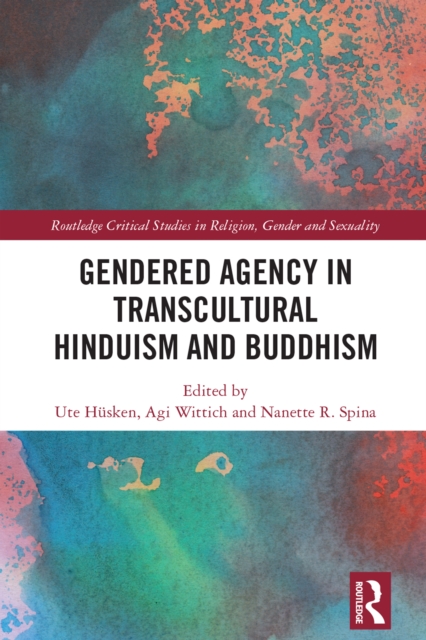
Focusing on complex entanglements of religion and gender from a diversity of perspectives, this book explores how women enact agencies in transcultural Hindu and Buddhist settings.
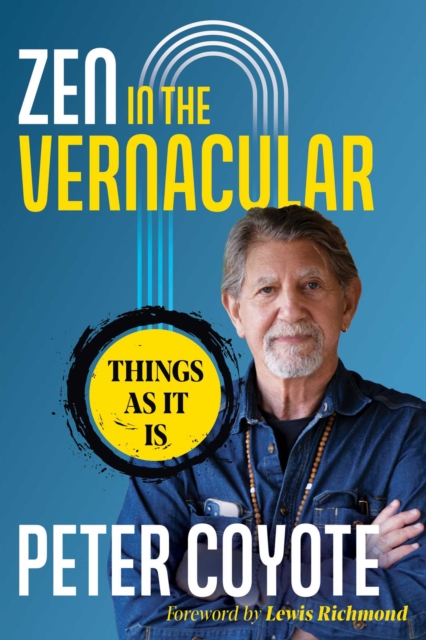
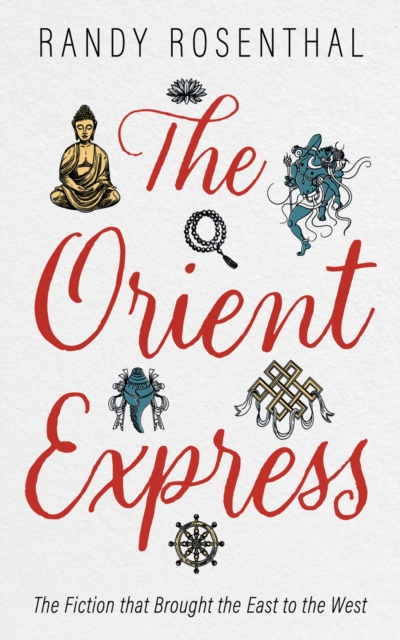
When yoga studios are ubiquitous and meditation apps are on millions of smart phones, once exotic terms like karma, zen, and nirvana have entered into everyday English, business consultants have appropriated the meditation terms "e;mindfulness"e; and "e;equanimity,"e; and Buddha statues and Shinto shrines are common in American yards, we forget that things weren't always this way, and that what is now considered cliche was once unknown.
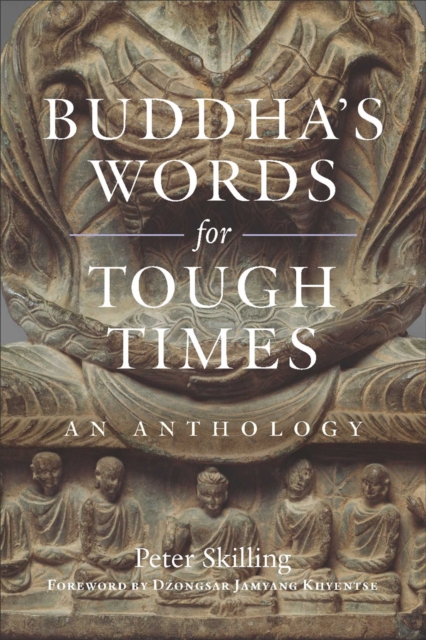
Twenty translations from the vast corpus of Buddhist literature come alive in this full-color anthology of ancient wisdom for turbulent times, as a master scholar uncovers their sources and significance.
Focusing on complex entanglements of religion and gender from a diversity of perspectives, this book explores how women enact agencies in transcultural Hindu and Buddhist settings.
Calm the mind and begin the path to finding peace with these simple mindfulness meditations Mindfulness is an evidence-based method for reducing stress and anxiety, enhancing resilience, and maintaining mental well-being.
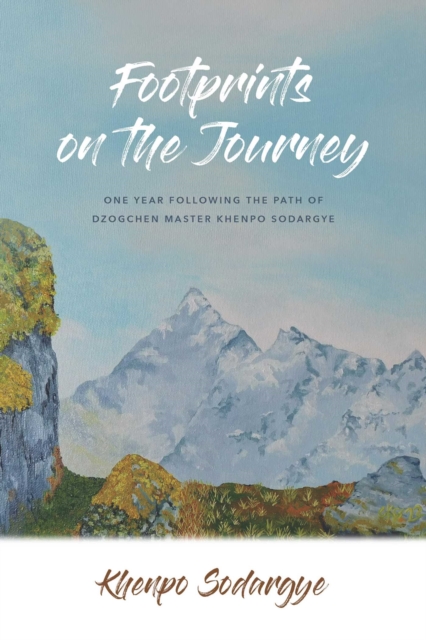
Inspiring diary entries from a challenging year in the life of the renowned Dzogchen master Khenpo Sodargye demonstrate right conduct for the path to liberation.
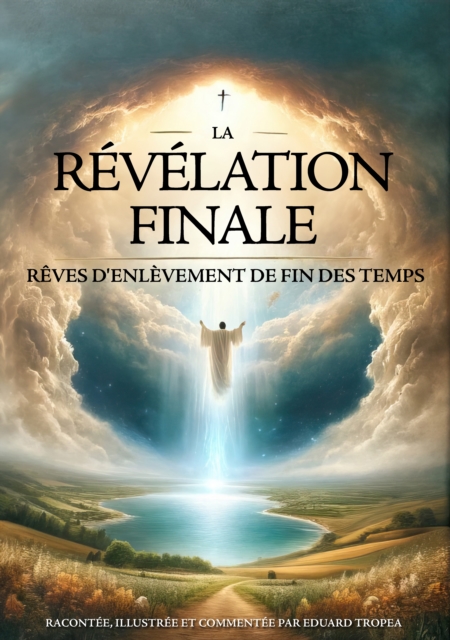
"La Révélation Finale" présente une sélection de 134 récits de rêves authentiques relatifs à l'enlèvement, le retour du Messie Jésus-Christ, la tribulation, le livre de l'Apocalypse de Jean de la Bible, l'apocalypsie et les temps de la fin.
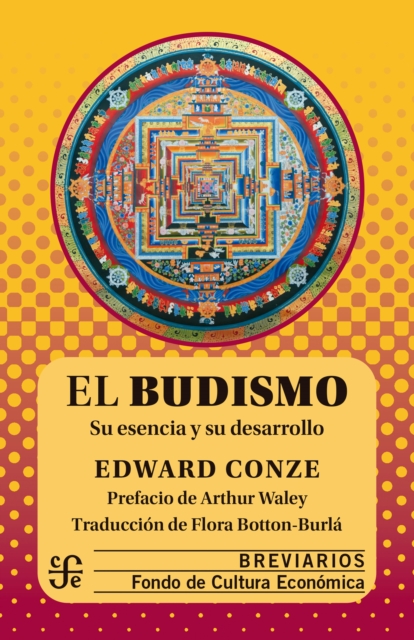
El budismo, uno de los grandes sistemas religiosos del mundo contemporáneo, surgido antes que las primeras religiones monoteístas, ha desarrollado a lo largo del tiempo una organización coherente y práctica que proporciona a los adeptos una serie de herramientas concretas con las cuales enfrentar las dificultades de la vida.
La importancia de la dignidad en la búsqueda de una vida significativa y plena no puede ser subestimada, especialmente en el contexto actual rodeados por la incertidumbre, la baja autoestima y la sensación de estar atrapados por la ansiedad, la insatisfacción o incluso por el éxito.
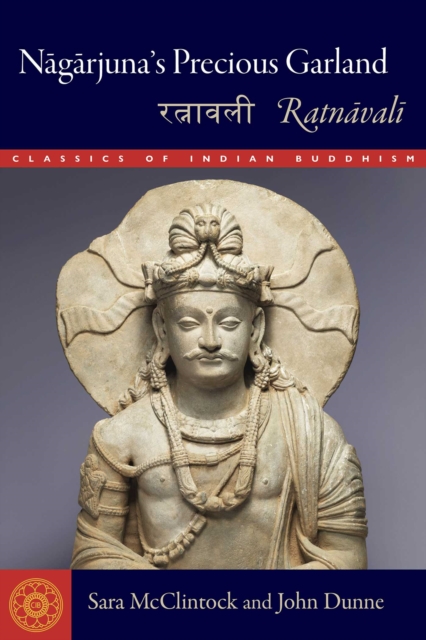
Discover the eloquence and insight of the philosopher Nagarjuna, held by tradition to be a second Buddha, in this concise instruction for a king that is considered a masterpiece of Buddhist literature.
Es geht um die Erfahrung einer Frau - die sich auf dem Autismus-Spektrum bei 300 befindet - einen IQ von 120 hat, aber von der Welt nicht wahrgenommen wird.
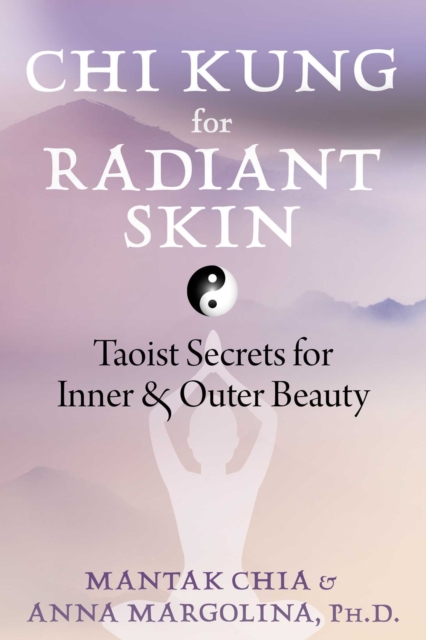
Explores ancient Taoist wisdom and Chi Kung methods to restore the skins ability to renew itself by regenerating your skins chi, or vital energy Presents easy step-by-step instructions for detoxifying techniques, circulation-enhancing activities, and energy cultivation for a radiant complexion Shares Taoist secrets for beautiful hair and looks at the connections between beauty and emotionsPresenting a holistic approach to skin health, Taoist Master Mantak Chia and skin care expert Anna Margolina, Ph.
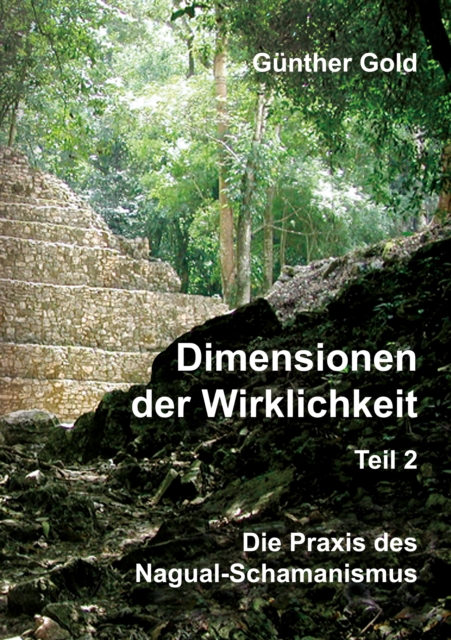
Es ist eine Sache theoretisch zu verstehen, wie wir unsere Wirklichkeit zusammensetzen (Teil 1 der Trilogie), aber es ist eine völlig andere Sache, aus der "Konsens-Realität" auszusteigen, die Welt anzuhalten und eine ganz andere zu betreten.