"Höre auf zu versuchen, 'besser' zu werden, indem du Anteile deiner selbst unterdrückst oder versteckst, und nimm diesen leicht zugänglichen Leitfaden zu den zentralen ethischen Lehren des Zen-Buddhismus, um zu lernen, was es bedeutet, ganz Mensch zu sein.
A clear and comprehensive guide to practicing the foundational Buddhist teachings of the four noble truthsand how these truths can lead to the liberating insight of the ';wisdom gone beyond.
Reveals how the author, a long-time Buddhist practitioner, found ayahuasca to be a remarkable catalyst on his spiritual path, ultimately reinvigorating his own practice Explores the ayahuasca ceremony process in depth, detailing the authors multi-session experience in Peru and best practices when taking Ayahuasca Offers an introduction to Tibetan Buddhist practice, including a guided instruction to four progressive techniques of Shamata Vipassana meditationOver the last several decades, serious study of Tibetan Buddhism and the use of Ayahuasca as an agent for spiritual growth have both become widespread in the West.
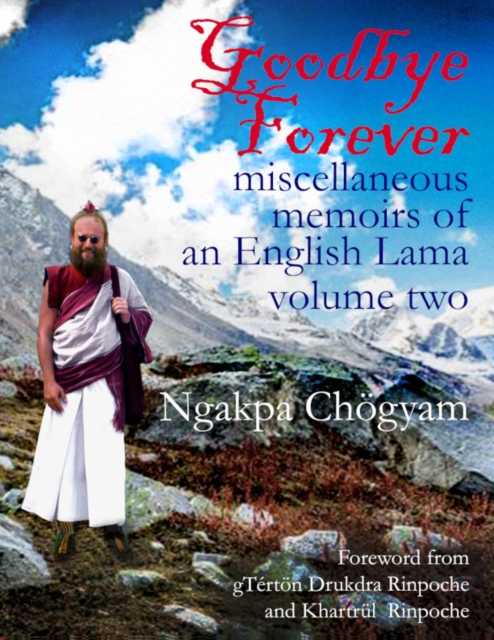
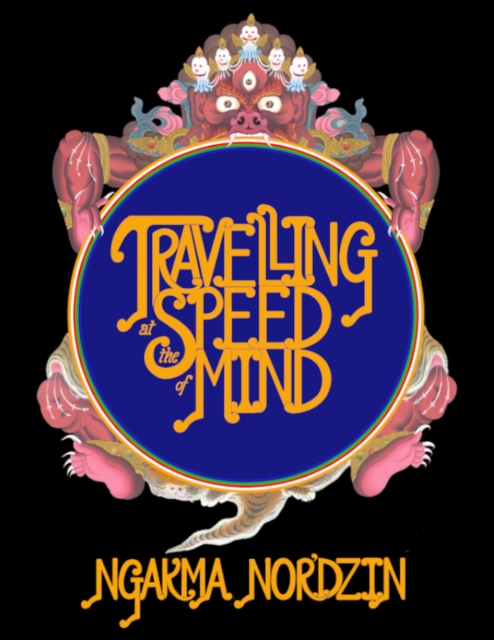
The incognito incarnation of gTerton Aro Yeshe returns to Nepal having tried to fulfill the predictions of Kyabje Dud'jom Rinpoche: 3 years in the 1970s' Art School scene attempting to live as a ngakpa.
In the early days of Vajrayana few Tibetan Lamas visited Britain, and eager students were often prepared to travel considerable distances to receive instruction.
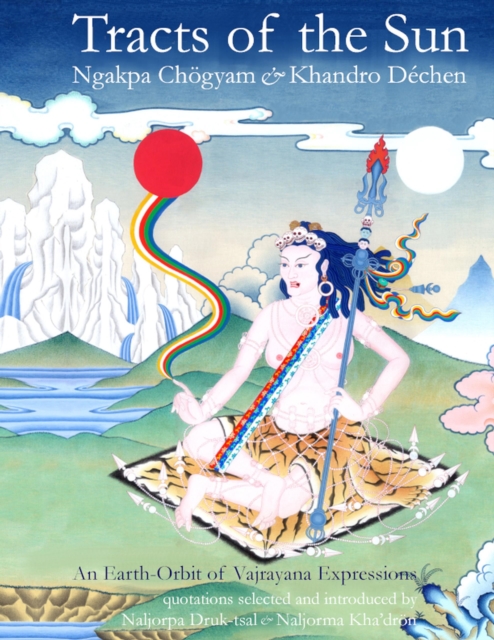
An inspirational calendar of daily quotations selected by Naljorpa Druk-tsal and Naljorma Kha'dron from teachings given by Ngak'chang Rinpoche and Khandro Dechen.
Santideva's 8th century Mahayana Buddhist classic, the Guide to the Practices of Awakening (Bodhicaryavatara), has been a source of philosophical inspiration in the Indian and Tibetan traditions for over a thousand years.
Santideva's 8th century Mahayana Buddhist classic, the Guide to the Practices of Awakening (Bodhicaryavatara), has been a source of philosophical inspiration in the Indian and Tibetan traditions for over a thousand years.
Buddhism is often the religion that teachers have the least confidence in teaching despite being the sixth largest religion in the UK and being commonly regarded as one of the six major religions to be taught in schools throughout the country.
Buddhism is often the religion that teachers have the least confidence in teaching despite being the sixth largest religion in the UK and being commonly regarded as one of the six major religions to be taught in schools throughout the country.
An insightful examination of the end of suffering that draws much-needed attention to two overlooked factors of Nirvana: signlessness and deathlessness.
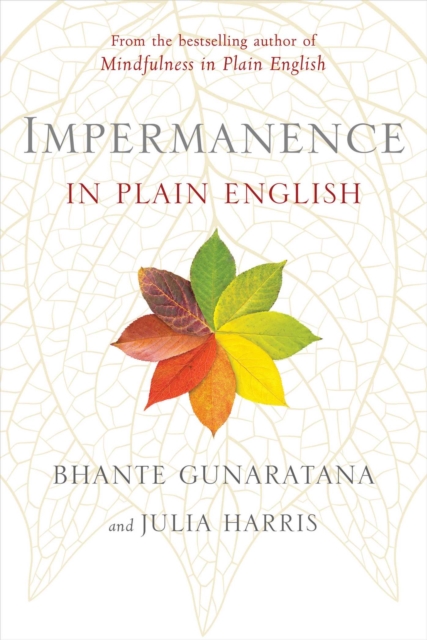
The bestselling author of Mindfulness in Plain English guides the reader toward a direct and personal realization of one of the foundational tenets of Buddhism: all things that arise must pass away.
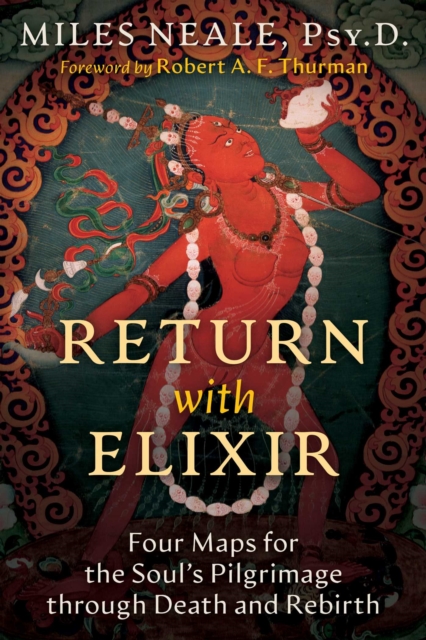
Shares four maps for spiritual rebirth based on Joseph Campbell, Carl Jung, Tibetan Buddhist philosophy, and the precession of the equinoxes Traces the authors journey of rebirth, covering his transformation through a spiritual crisis and the creation of a more meaningful life Provides visualization practices based on ancient Tibetan wisdom to support you on the path of self-realizationExploring wisdom from mystical traditions and perennial philosophy on "e;dying before you die,"e; Buddhist psychotherapist Miles Neale shares his own heros journey of rebirth, providing a detailed roadmap for the pilgrimage through dissolution, into the great mystery, and back again to the world.
Weaving the Paths of Buddhism and Psychotherapy is an empathic guide to integrating Eastern and Western wisdom traditions that share the common goal of easing distress.
Weaving the Paths of Buddhism and Psychotherapy is an empathic guide to integrating Eastern and Western wisdom traditions that share the common goal of easing distress.
Las palabras de mi maestro perfecto de Patrul Rimpoché es un comentario clásico sobre las prácticas preliminares del Longchen Ñingtig ("La esencia del corazón del vasto espacio"), uno de los ciclos de enseñanzas más conocido y un tesoro espiritual (terma) de la escuela Ñingmapa, la tradición más antigua del budismo tibetano.
The new work "e;The absolute creation"e; of the wandering "e;monk"e; Thich Om describes in a wonderful, easily understandable way - with the unconditional tendency to open your eyes, the consequence of the perfect, absolute creation.
In this final volume on emptiness, the Dalai Lama skillfully reveals the Prasangikas' view of the ultimate nature of reality so that we will gain the correct view of emptiness, the selflessness of both persons and phenomena, and have the means to eliminate our own and others' duhkha.
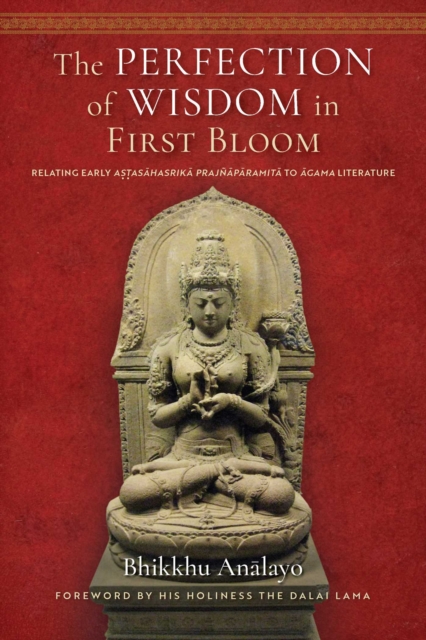
See the formative years of Mahayana Buddhist literature through the lens of the Perfection of Wisdom, expertly analyzed by the venerable scholar-monk Bhikkhu Analayo.
A Soto Zen teacher explores the core teachings of the ancient Huayan school of Buddhism through an innovative and engaging collection of essays showing how to put these teachings into practice.
Zen Buddhism has traditionally focused on monastic practice and the artistic expression of awakening (satori) but has paid little explicit attention to social ethics.
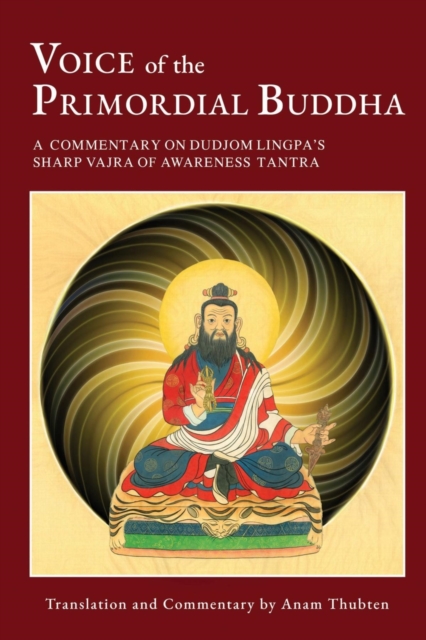
Voice of the Primordial Buddha is Anam Thubten's commentary on the well-known text, The Sharp Vajra of Awareness Tantra, by twentieth-century master Dudjom Lingpa (1835-1903).