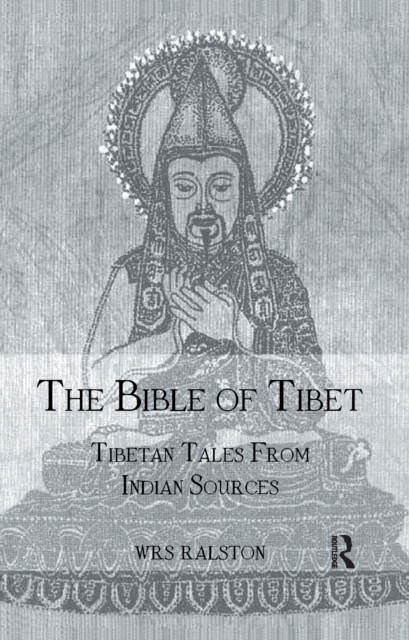
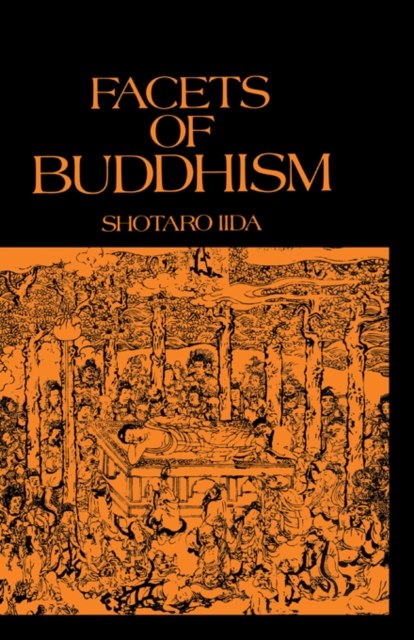
Progress which has been made in our knowledge of Northern Buddhism during the last few years is due very considerably to the discovery of the Buddhist literature of China.
Progress which has been made in our knowledge of Northern Buddhism during the last few years is due very considerably to the discovery of the Buddhist literature of China.
Presenting a study of politics at grassroots level among young Japanese, this book examines the alliance between the religious movement Soka Gakkai (the 'Value-creation Society') and Komeito (the 'Clean Government Party'), which shared power with the Liberal Democratic Party from 1999 to 2009.
Presenting a study of politics at grassroots level among young Japanese, this book examines the alliance between the religious movement Soka Gakkai (the 'Value-creation Society') and Komeito (the 'Clean Government Party'), which shared power with the Liberal Democratic Party from 1999 to 2009.
Originally published in 1979, The Dynamic Psychology of Early Buddhism was a psychologist's attempt to understand what the Buddha meant by "e;dependent origination"e; (paticcasumappada, sometimes translated as "e;causality"e;).
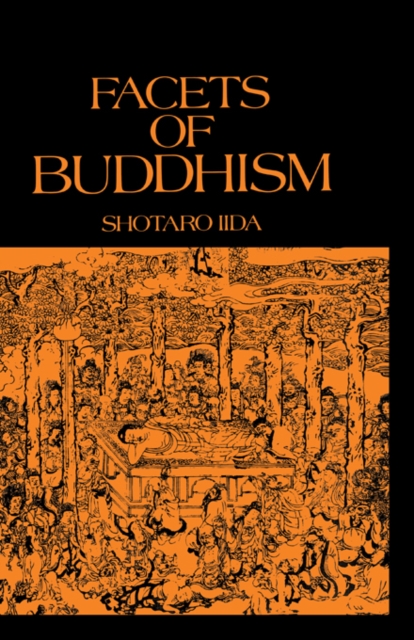
The Buddhist field of knowledge is now so vast that few can master all of it, and the study and application of its principles must be a matter of choice.
The Buddhist field of knowledge is now so vast that few can master all of it, and the study and application of its principles must be a matter of choice.
Effortless Mindfulness promotes genuine mental health through the direct experience of awakened presence-an effortlessly embodied, fearless understanding of and interaction with the way things truly are.
Effortless Mindfulness promotes genuine mental health through the direct experience of awakened presence-an effortlessly embodied, fearless understanding of and interaction with the way things truly are.
This volume provides a faithful account of the yogic practices which Milarepa, the best known of the Tibetan yogins, successfully put to the test of practice.
This volume provides a faithful account of the yogic practices which Milarepa, the best known of the Tibetan yogins, successfully put to the test of practice.
Justification for the writing of this book lies in the twofold fact of the existence of a practically open field and the special importance of a knowledge of Shinto in reaching an adequate understanding of contemporary Japan-politically, socially and religiously.
Justification for the writing of this book lies in the twofold fact of the existence of a practically open field and the special importance of a knowledge of Shinto in reaching an adequate understanding of contemporary Japan-politically, socially and religiously.
The author presents a selection of papers written over the last twenty or so years, spanning the period from early research into the then nearly unknown Madhyamika writer Bhavaviveka or Bhavya, amongst Tibetan refugees in India, up to the recent past where there interests have, perhaps, somewhat broadened to include comparative religion.
The author presents a selection of papers written over the last twenty or so years, spanning the period from early research into the then nearly unknown Madhyamika writer Bhavaviveka or Bhavya, amongst Tibetan refugees in India, up to the recent past where there interests have, perhaps, somewhat broadened to include comparative religion.