El valor de la amistad parece unánime: "un tesoro de valor incalculable", "el más precioso de todos los bienes", "el mayor bien humano", "cima del universo"… Así se expresa la Biblia, Aristóteles, Lope de Vega y Ortega y Gasset.
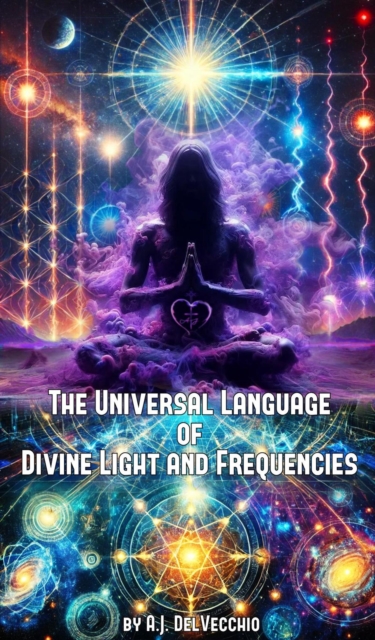
In our universe where light is not just a beacon but a carrier of information and life, The Universal Language of Divine Light and Frequencies unveils the untold story of how the cosmos, and the intelligent life connected to it, communicates with us.
First published in 1985, Shamans, Lamas and Evangelicals tells the little known yet fascinating story of a missionary venture to Eastern Siberia in the year 1818.
John Paul II spoke of a feminine genius, using the phrase to describe the unique and positive contribution of women to relationships, the church, and society.
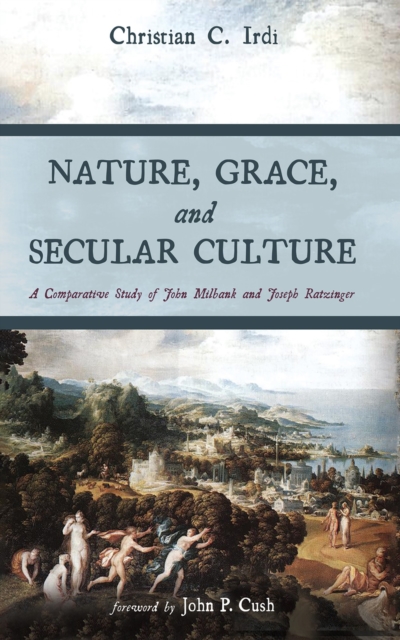
This book argues that natural law when construed as an epistemological and trans-cultural lingua franca, adjudged capable of legitimating the rational intelligibility and universal applicability of specific Christian moral principles within contemporary secular discourse has failed.
A continuation from the authors previous book The Melchizedek Priesthood Garments where you learned and applied various Biblical garments that are truly meant to be worn for the king-priest Order of Melchizedek.
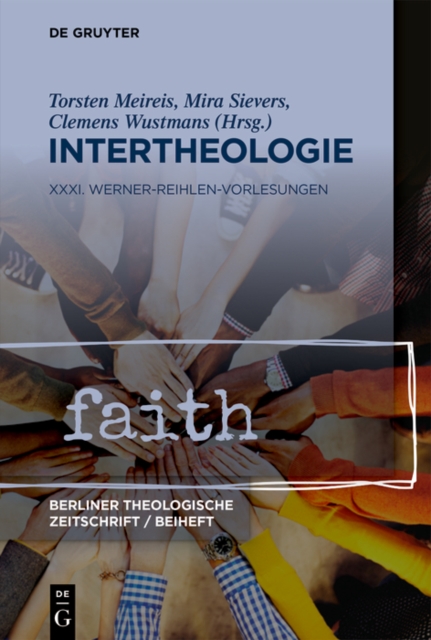
Angesichts demographischer und religionspolitischer Entwicklungen in Deutschland und möglicher Konflikte ist eine Zusammenarbeit der Religionen und ihrer Reflexionsdisziplinen zunehmend plausibel und wünschenswert.
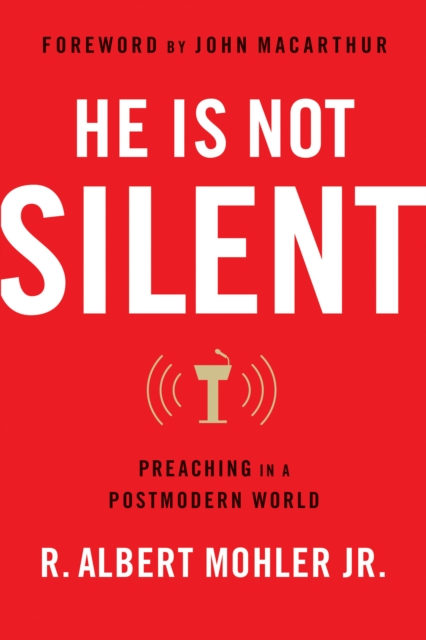
Contemporary preaching suffers from a loss of confidence in the power of the Word, from an infatuation with technology, from an embarrassment before the biblical text, from an evacuation of biblical content, from a focus on felt needs, from an absence of gospel.
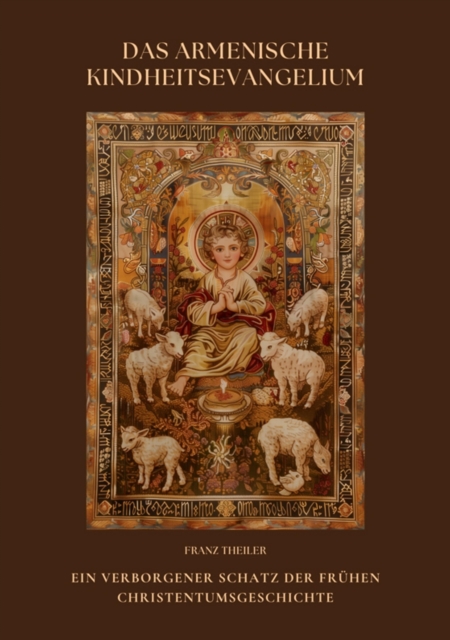
Tauchen Sie ein in die faszinierende Welt des frühen Christentums und entdecken Sie eine der bemerkenswertesten apokryphen Schriften: Das Armenische Kindheitsevangelium.
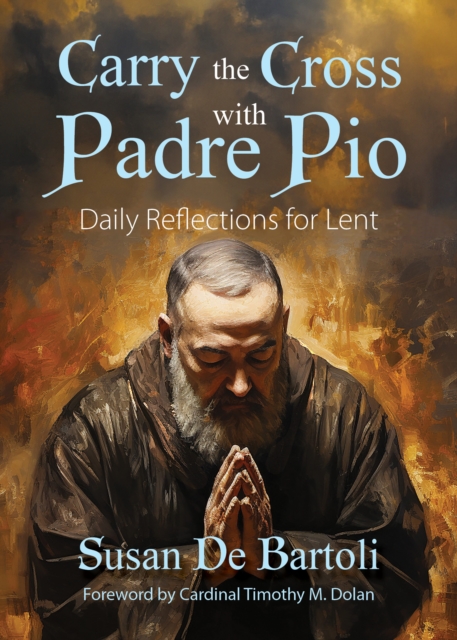
In this Lenten devotional, let Padre Pio guide you through the profound mysteries of the faith, sharing his unique ';way of the Cross' as a spiritual father, warrior, and beloved son of God.