Die Bibel ist mehr als ein religiöser Text – sie ist ein Fenster in die Vergangenheit, durch das wir die Geschichte der Menschheit und ihre kulturellen Wurzeln betrachten können.
Future Faith: Public and Practical Theologies for the Contemporary World explores what is needed for theology to survive and thrive in the next generation.
Es evidente, que en un tiempo tan conflictivo y contradictorio como el nuestro, los padres enfrentan la tarea educativa de sus hijos como una arriesgada aventura.
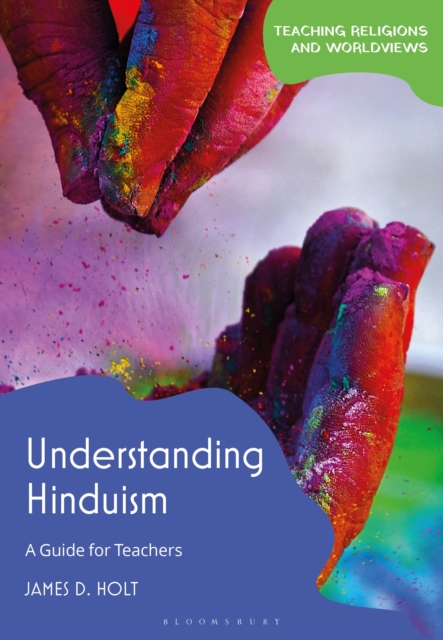
This book explores the beliefs and practices of Hinduism as a lived religion and engages with Hindu beliefs and practices, including the concepts that form the central beliefs of Hinduism, and the expression of these beliefs in worship and daily life.
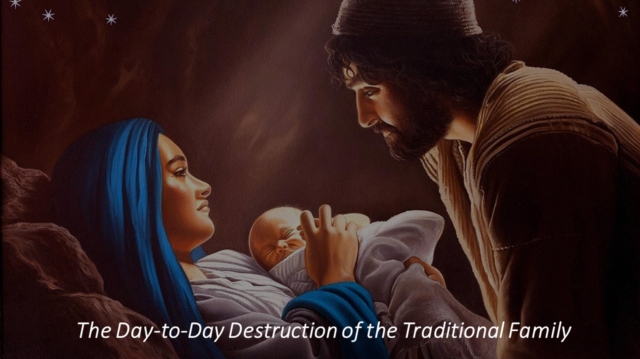
Recognizing first and foremost as true and immutable -because they come from God- the sacred values of the traditional family as they were established by our Father in heaven since the creation of man, and consolidated through his son Jesus Christ that belonged to a holy family in the company of His mother Mary and His earthly father Joseph, the author recommends these values as the example to follow if we want to win the war against the evil attempt to destroy the traditional family that is taking place in this dark world.
Die Gemeinschaften innerhalb des Gnadauer Verbandes werden seit den 1970er-Jahren zunehmend "Gemeinden"; sie gehen den Weg zu mehr struktureller Eigenständigkeit, der in diesem Buch in praktisch-theologischer Perspektive analysiert und erörtert wird.
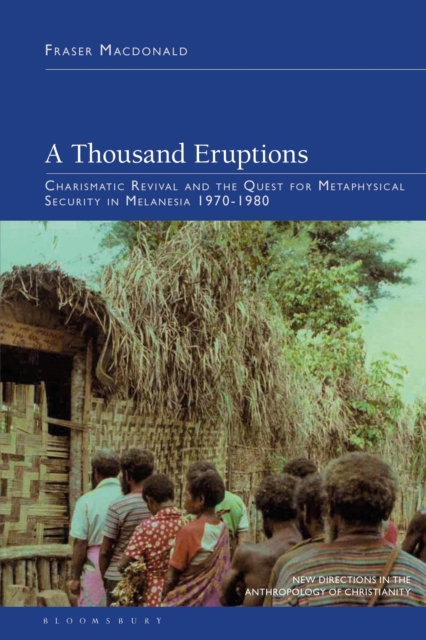
The charismatic revival movements of the 1970s in Melanesia were the most significant religious development in the region's history, but until now there has been no full-scale look at the regional upheaval or of why it occurred.
THE NEW YORK TIMES BESTSELLERDarkness Lies in the Days Ahead--But the Light of God's Future Courses Through Your Veins We, as God's people, carry the future within us.
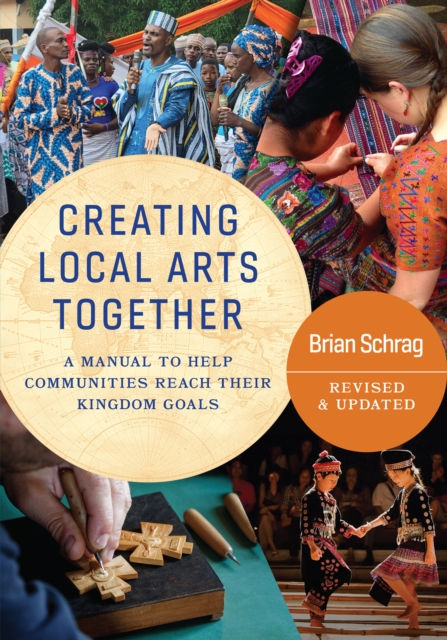
Cultivating Creativity for Kingdom FlourishingCreating Local Arts Together is a manual that offers a transformative approach to integrating local arts with kingdom work.
This book focuses on the transformative journey of Methodism and tackles a profound question: How did a radical revival movement evolve into an established mainstream Church?