Often, readers and commentators read the Proverbs as timeless observations and recommendations regarding human nature, valid for all cultures and places.
Last Call for the African-American Church revisits the commandment Jesus left his followers to proclaim the gospel worldwide until his return, one that by all accounts is no longer a priority in the contemporary African-American church.
The Gospel writers state they aim to tell the story of Jesus in a clear manner, but throughout Paul McCarren's years in ministry, he has seen that these simple and important messages are too often missed.
In an age when technology is making our world feel increasingly small and far-flung peoples are interacting with each other more regularly than at any other time in history, the common threads running through vastly different civilizations are not only more obvious but more important to our understanding of ourselves as members of the human race.
We live in an age when it is not uncommon for politicians to invoke religious doctrine to explain their beliefs and positions on everything from domestic to foreign policy.
In this timely and highly readable volume, Old Testament scholar William Holladay introduces the reader to the several ways in which Isaiah speaks, from ancient Jewish readings of the text, to Handel's lyrical use of it in his oratorio, Messiah, to the Christian community who has heard it foretelling the life and death of Jesus Christ.
A fresh, deeply biblical account of God's expanding grace and mercy, tracing how the Bible's narrative points to the full inclusion of LGBTQ people in Christian communities "e;A radical new vision .
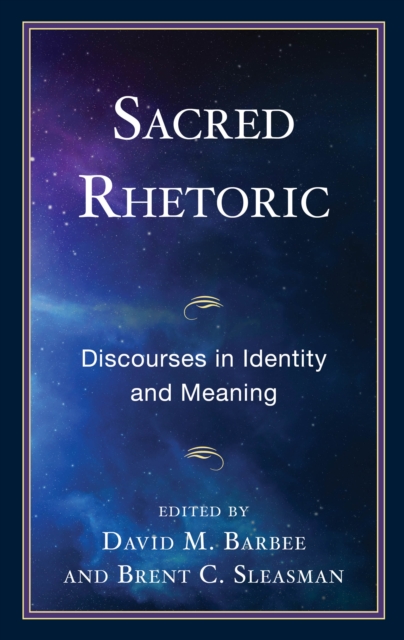
There have always been historical and philosophical connections between the study of religion and rhetoric, and yet, the phrase "e;sacred rhetoric"e; is rarely found within scholarly conferences, presentations, and publications.
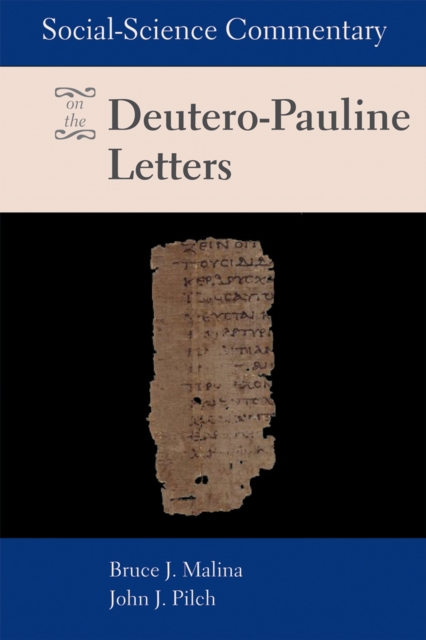
The Social-Science Commentary series pioneers an alternative commentary genre, providing in this volume the text of the deutero-Pauline letters and cultural notes on them.
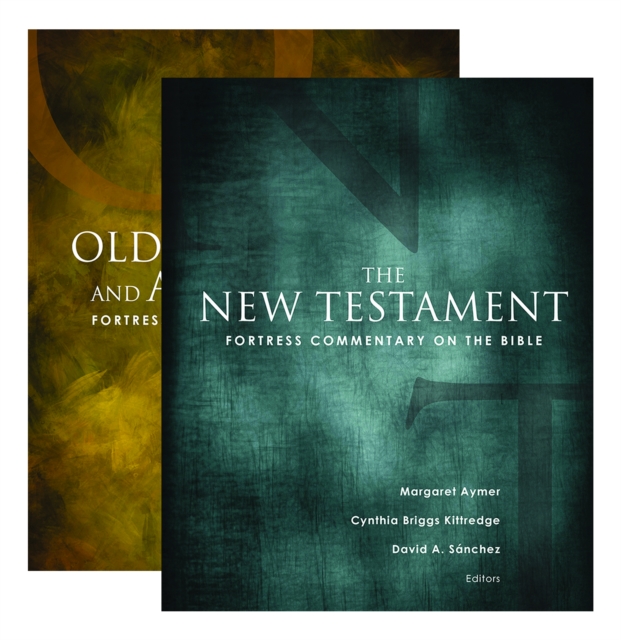
The Fortress Commentary on the Bible: The Old Testament and Apocrypha and Fortress Commentary on the Bible: The New Testament present a balanced synthesis of current scholarship on the Bible, enabling readers to interpret scripture for a complex and pluralistic world.
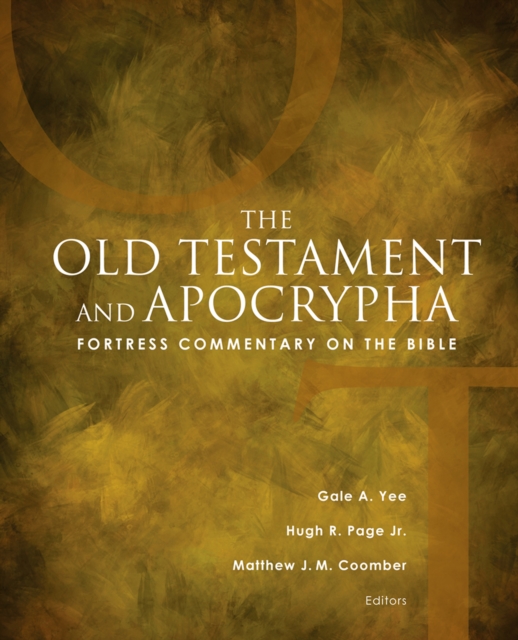
The Fortress Commentary on the Bible: Old Testament and Apocrypha presents a balanced synthesis of current scholarship, enabling readers to interpret Scripture for a complex and pluralistic world.
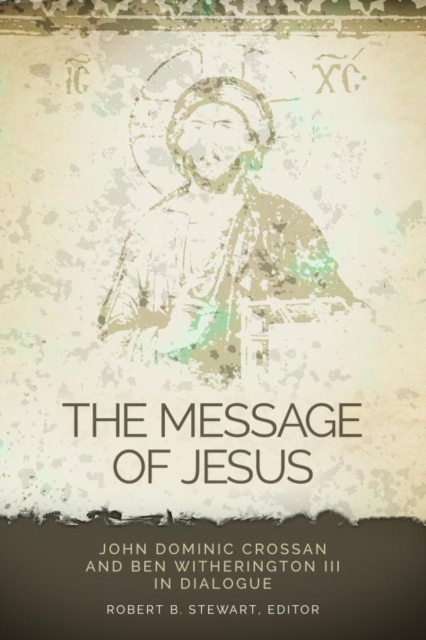
John Dominic Crossan and Ben Witherington III, along with a group of diverse scholars, explore points of agreement and disagreement on the message of Jesus.
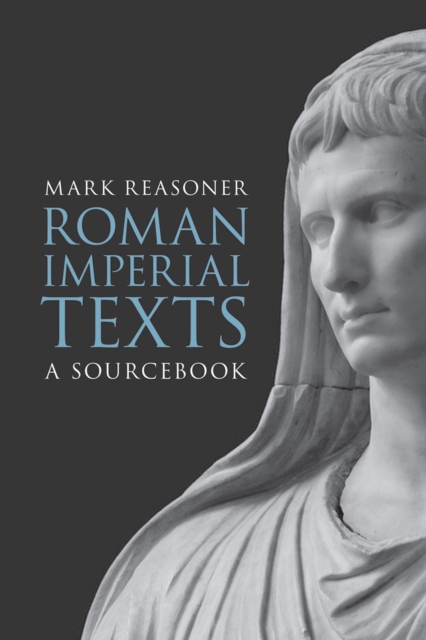
A selection of the most important sources for the cultural and political context of the early Roman Empire and the New Testament writings, Roman Imperial Texts includes freshly translated public speeches, official inscriptions, annals, essays, poems, and documents of veiled protest from the Empire’s subject peoples —all introduced by Mark Reasoner.
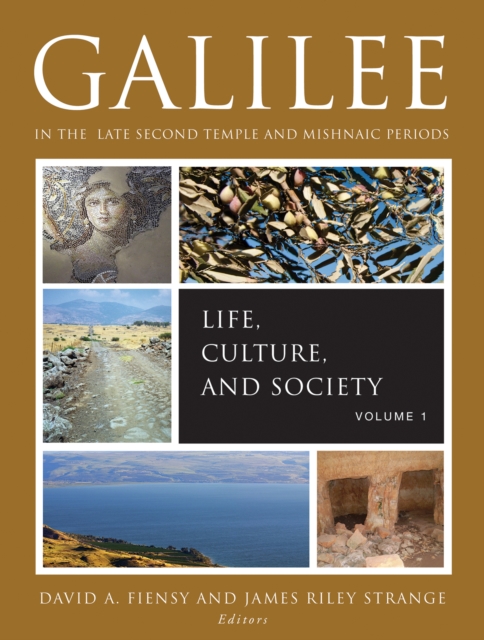
Drawing on the expertise of archaeologists, historians, biblical scholars, and social-science interpreters who have devoted a significant amount of time and energy in the research of ancient Galilee, this accessible volume includes modern general studies of Galilee and of Galilean history, as well as specialized studies on taxation, ethnicity, religious practices, road systems, trade and markets, education, health, village life, houses, and the urban-rural divide.
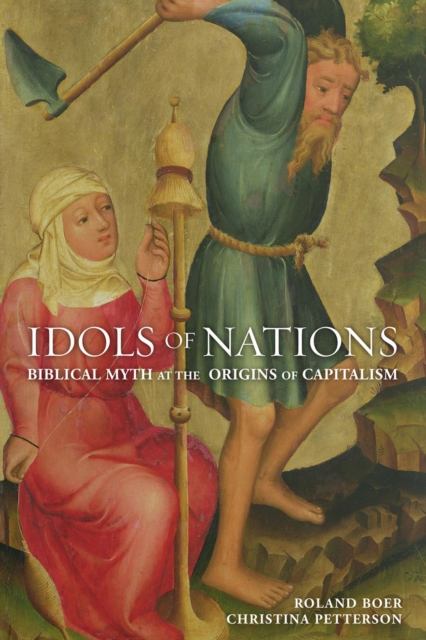
Roland Boer and Christina Petterson here produce a critical survey showing that the rise of capitalist theory was shaped by the way different economic philosophers—Smith, Hobbes, Grotius, Malthus, Locke––read the Bible.
The Fortress Commentary on the Bible: The New Testament presents a balanced synthesis of current scholarship, enabling readers to interpret Scripture for a complex and pluralistic world.
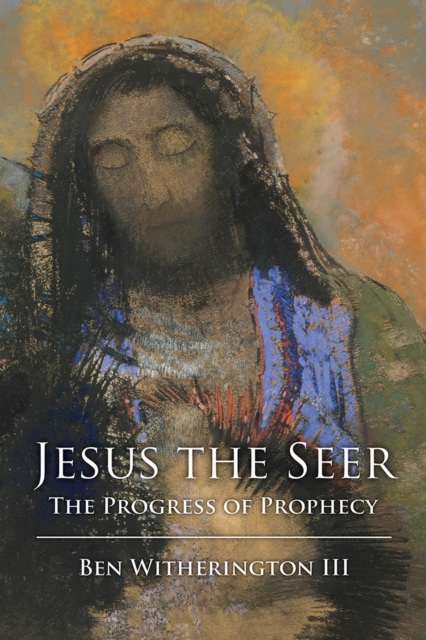
Increasingly, scholars recognize that prophetic traditions, expressions, and experiences stand at the heart of most religions in the ancient Mediterranean world.
Maps and Meaning is rooted in the authors’ experience as clergy and chaplains and is relevant to those looking for a fresh perspective on biblical narratives related to the role of the priest, patients, soldiers, and others who spend time “outside the camp.
Applying a comprehensive theory of character to the Gospel of John, Cornelis Bennema provides a fresh analysis of both the characters and their responses to Jesus.
When scholars have set Jesus against various conceptions of the messiah and other redemptive figures in early Jewish expectation, those questions have been bound up with the problem of violence, whether the political violence of a militant messiah or the divine violence carried out by a heavenly or angelic figure.
Peterson engages one of the most enduring controversies in current critical scholarship on the Hebrew Bible, the identities and provenances of the authors of the various "e;editions"e; of the Deuteronomistic History.
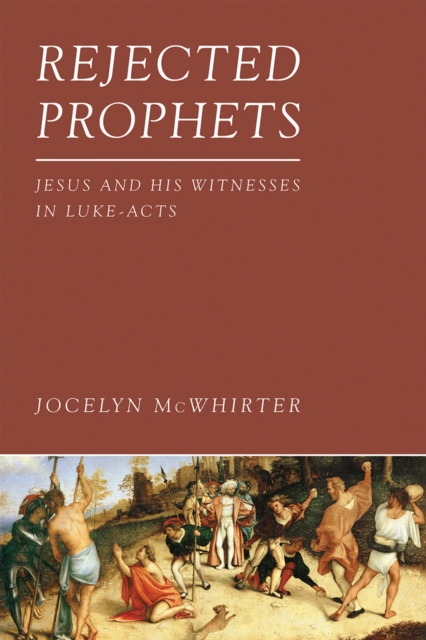
Although several scholars have written about how Luke portrays Jesus and the apostles as prophets, no one has yet provided a comprehensive theory as to why Luke’s protagonists resemble the prophets.
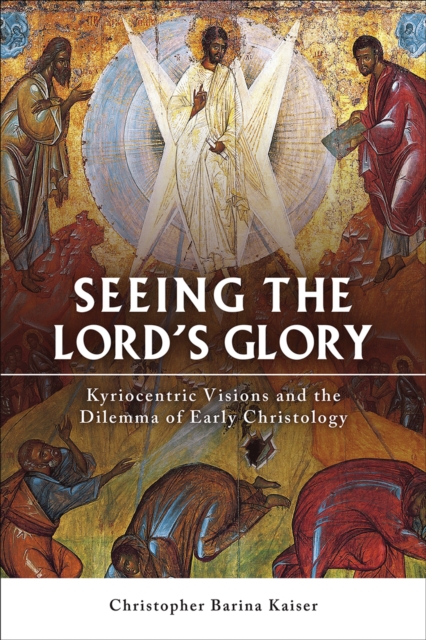
The "e;dilemma of early Christology,"e; Kaiser observes, is found in the early Christian claims to have "e;seen the Lord"e; and "e;beheld his glory"e; - expressions that in early Judaism would have pointed unequivocally to visions of Israel's God.
It is widely recognized that in some of his letters, Paul develops a Christology based on a comparison between Adam and Christ, and that this Christology has antecedents in Jewish interpretation of Genesis 14.