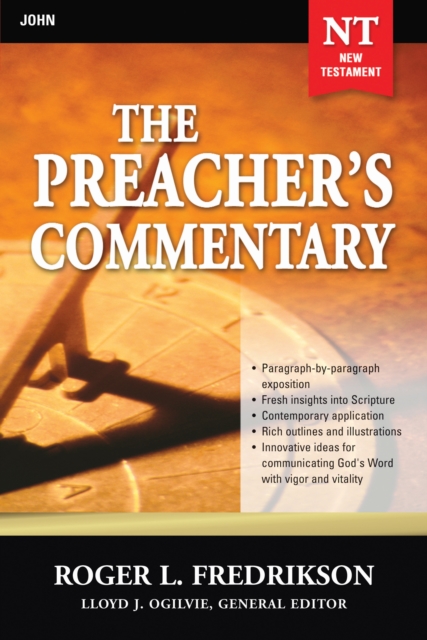
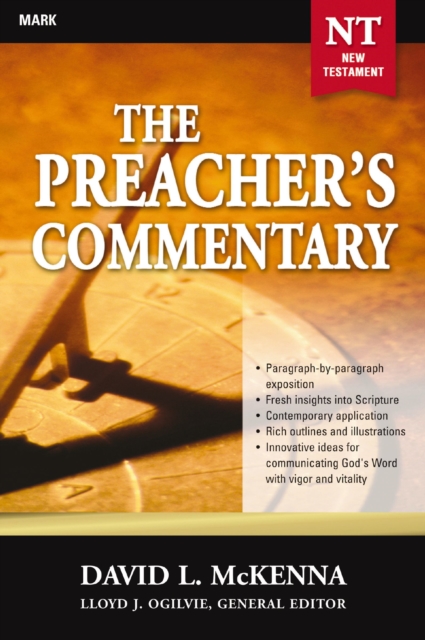
Written BY Preachers and Teachers FOR Preachers and TeachersCombining fresh insights with readable exposition and relatable examples, The Preacher's Commentary will help you minister to others and see their lives transformed through the power of God's Word.
Written BY Preachers and Teachers FOR Preachers and TeachersCombining fresh insights with readable exposition and relatable examples, The Preacher's Commentary will help you minister to others and see their lives transformed through the power of God's Word.
Written BY Preachers and Teachers FOR Preachers and TeachersCombining fresh insights with readable exposition and relatable examples, The Preacher's Commentary will help you minister to others and see their lives transformed through the power of God's Word.
Written BY Preachers and Teachers FOR Preachers and TeachersCombining fresh insights with readable exposition and relatable examples, The Preacher's Commentary will help you minister to others and see their lives transformed through the power of God's Word.
Written BY Preachers and Teachers FOR Preachers and TeachersCombining fresh insights with readable exposition and relatable examples, The Preacher's Commentary will help you minister to others and see their lives transformed through the power of God's Word.
Written BY Preachers and Teachers FOR Preachers and TeachersCombining fresh insights with readable exposition and relatable examples, The Preacher's Commentary will help you minister to others and see their lives transformed through the power of God's Word.
Written BY Preachers and Teachers FOR Preachers and TeachersCombining fresh insights with readable exposition and relatable examples, The Preacher's Commentary will help you minister to others and see their lives transformed through the power of God's Word.
Written BY Preachers and Teachers FOR Preachers and TeachersCombining fresh insights with readable exposition and relatable examples, The Preacher's Commentary will help you minister to others and see their lives transformed through the power of God's Word.
En el Diccionario Ilustrado de la Biblia encontrará el marco de conocimientos linguísticos, geográficos y culturales que usted necesario para comprender la inmensa mayoría de los pasajes de la Biblia.
Esta obra le permite al estudiante con poco o mucho conocimiento del hebreo o del griego, estudiar el significado de las palabras bíblicas en su idioma original.
En una cultura controlada por los medios de comunicación, ¿Cómo presentar la Biblia a aquellos que están acostumbrados a las películas, las revistas y a los periódicos?
Algunas de las historias más poderosas de la Bibliacobrarán vida para los lectores de hoy mediante estas selecciones inspiradorasde los escritos de Max Lucado.
Written BY Preachers and Teachers FOR Preachers and TeachersCombining fresh insights with readable exposition and relatable examples, The Preacher's Commentary will help you minister to others and see their lives transformed through the power of God's Word.
Written BY Preachers and Teachers FOR Preachers and TeachersCombining fresh insights with readable exposition and relatable examples, The Preacher's Commentary will help you minister to others and see their lives transformed through the power of God's Word.
Written BY Preachers and Teachers FOR Preachers and TeachersCombining fresh insights with readable exposition and relatable examples, The Preacher's Commentary will help you minister to others and see their lives transformed through the power of God's Word.
Written BY Preachers and Teachers FOR Preachers and TeachersCombining fresh insights with readable exposition and relatable examples, The Preacher's Commentary will help you minister to others and see their lives transformed through the power of God's Word.
Written BY Preachers and Teachers FOR Preachers and TeachersCombining fresh insights with readable exposition and relatable examples, The Preacher's Commentary will help you minister to others and see their lives transformed through the power of God's Word.
Commissioned in 1975 by Thomas Nelson Publishers, 130 respected Bible scholars, church leaders, and lay Christians worked for seven years to create a completely modern edition of the King James Version that would continue the classic tradition of the original King James.
Written BY Preachers and Teachers FOR Preachers and TeachersCombining fresh insights with readable exposition and relatable examples, The Preacher's Commentary will help you minister to others and see their lives transformed through the power of God's Word.
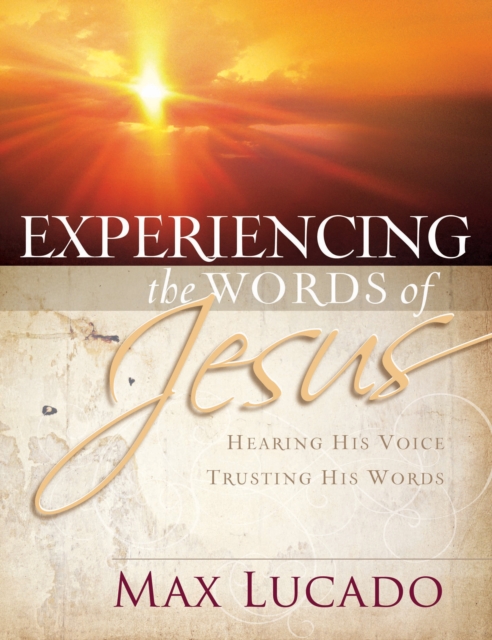
Jesus' ministry on this earth only lasted three and a half years, yet in that time His words turned heads, turned hearts, and ultimately turned the world upside down.
God's Promises(R) for Your Every Need quickly guides you to the most beloved and helpful verses for your circumstances, whether you're seeking God's promises and answers for your own life or for a friend.
Study the Bible Deeply, Faithfully, and EffectivelyThere is a big difference between simply reading the Bible and studying the Bible well, so it transforms your life.
"e;Allah has bought from the Umma-the true believers of Islam-their selves and their substance in return for Paradise; they fight in the way of Allah, killing and being killed.
'A powerful novel of expectation, love, oppression, sin, religion and betrayal' Daily Mail When the mysterious and beautiful young widow Helen Graham becomes the new tenant at Wildfell Hall rumours immediately begin to swirl around her.
The Harlot by the Side of the Road is the first book to shed light on strange biblical passages which have largely been ignored by ministers, priests and rabbies because they semed too awkward to examine.