"e;Talentos, Libre Albedrio y Verdad"e; es un provocador ensayo que indaga en la esencia de la ideologia cristiana a traves de la mirada tomista y una interpretacion critica de los tiempos actuales.
COLECCION LIBREPENSAMIENTO:ESPIRITISMO PARA EL SIGLO XXISerie 1 Temas Fundamentales Libro 1 - El espiritismo en la perspectiva laica y librepensadoraLibro 2 - La inmortalidad del almaLibro 3 - Mediumnidad: intercambio entre dos mundosLibro 4 - Reflexiones sobre la idea de DiosLibro 5 - Reencarnacion: un revolucionario paradigma existencialLibro 6 - La evolucion de los espiritus, de la materia y de los mundosLibro 7 - Espiritismo, etica y moralLibro 8 - Allan Kardec: fundador del espiritismo
En este libro, los lectores experimentaran:- Una exploracion en profundidad del ministerio de Jesus, incluyendo el contexto sociocultural, el significado de sus ensenanzas y sus interacciones con diversos grupos sociales.
Desde que el sacerdote jesuita Salvador Freixedo publicara en 1969 la primera edicion de Mi Iglesia duerme, donde expuso sus enormes diferencias con la jerarquia de la Iglesia catolica a la que pertenecia, sus paginas han constituido una revelacion para cientos de miles de cristianos (y no cristianos) en todo el mundo.
The Definitive Reference for Understanding Protestant Christianity in All Its DiversityIn an era of unprecedented religious pluralism, understanding the landscape of Protestant Christianity has never been more crucial.
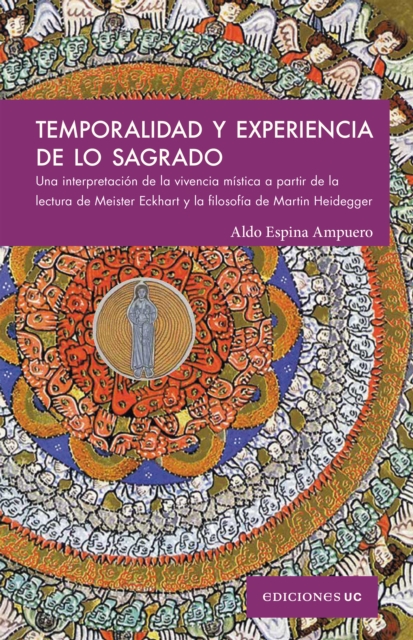
La necesidad de publicar esta investigaci,n radica en la importancia de su hip,tesis: que la experiencia cumbre de todas las religiones y b,squedas espirituales, la vivencia m,stica (la unidad de la conciencia con lo absoluto, lo sagrado o el ser en general), consiste en una desarticulaci,n de la conciencia temporal, por lo que la comprensi,n de la propia existencia y del ser se alteran radicalmente respecto de la experiencia cotidiana.
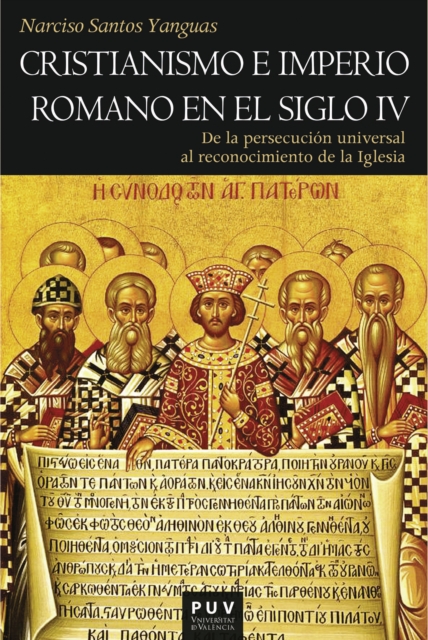
El siglo IV representa un giro decisivo en la historia del cristianismo: de ser una fe perseguida paso a convertirse en religion reconocida, primero legalmente y luego como oficial del Imperio romano.