Beneath the dazzling lights, glamour and entertainment of Hollywood lies a far deeper battle—a battle for influence over culture, values, truth and the human heart.
"e;The Incredible Story of How the Papacy Became Infallible Under Pius IX and XII"e; delves into a pivotal transformation within the Catholic Church, revealing how two of its most influential Popes reshaped its doctrines and authority.
Leadership is often celebrated for its victories, yet few speak honestly about its hidden battles—the loneliness of responsibility, the weight of impossible decisions, the criticism that comes despite your best intentions, and the silent moments when you wonder whether you have the strength to continue.
Transform Your Prayer Life and Draw Closer to JesusAt the Feet of Jesus is a guided adventure into the heart of the gospel story, inviting you to step into the lives of some of Jesus' closest friends Mary, Martha, and Lazarus.
Utah offers a paradox in women's historya state founded by polygamists who offered women early suffrage and encouraged career education in the nineteenth century.
Utah offers a paradox in women's historya state founded by polygamists who offered women early suffrage and encouraged career education in the nineteenth century.
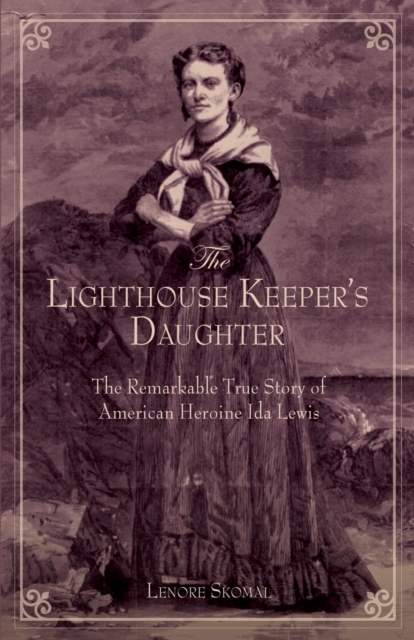
The Lighthouse Keeper's Daughter is the absorbing, painstakingly researched story of Ida Lewis and the fearless rescues she made at Lime Rock Lighthouse in Newport, Rhode Island.