Mobile Lifeworlds illustrates how the imaginaries and ideals of Western travellers, especially those of untouched nature and spiritual enlightenment, are consistent with media representations of the Himalayan region, romanticism and modernity at large.
Mobile Lifeworlds illustrates how the imaginaries and ideals of Western travellers, especially those of untouched nature and spiritual enlightenment, are consistent with media representations of the Himalayan region, romanticism and modernity at large.
Dalits, formerly called 'untouchables', remain the most oppressed community in India, and indeed in South Asia and have, until recently, been denied human and civic rights.
Dalits, formerly called 'untouchables', remain the most oppressed community in India, and indeed in South Asia and have, until recently, been denied human and civic rights.
Since the beginning of the anthropology of pilgrimage, scant attention has been paid to pilgrimage and pilgrim places in central, eastern and south-eastern Europe.
Since the beginning of the anthropology of pilgrimage, scant attention has been paid to pilgrimage and pilgrim places in central, eastern and south-eastern Europe.
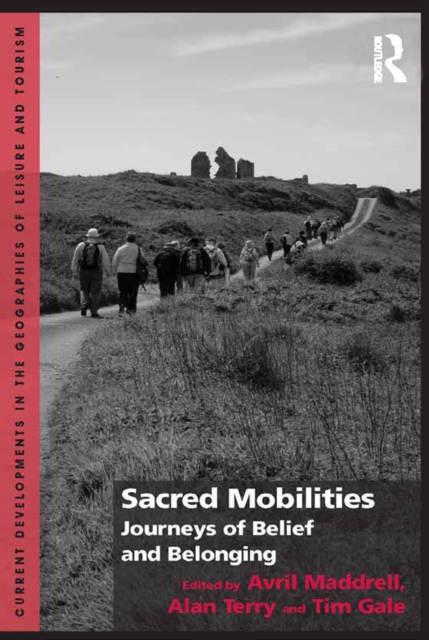
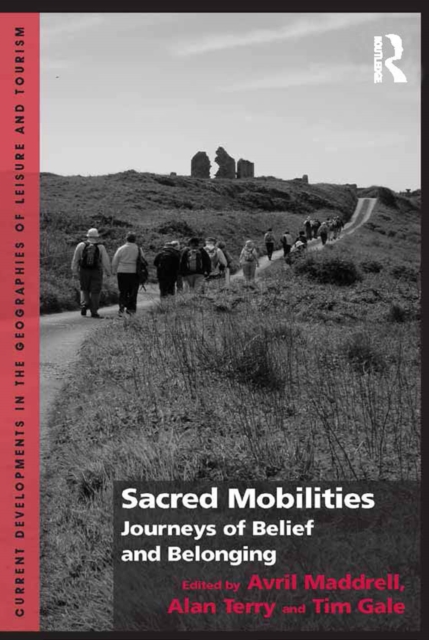
This collection draws on the Mobilities approach to look afresh at notions of the sacred where they intersect with people, objects and other things on the move.
This collection draws on the Mobilities approach to look afresh at notions of the sacred where they intersect with people, objects and other things on the move.
The first step-by-step guide to the techniques of Kaula Tantra, the practical yogini path to enlightenment Details the erotic and magical practices of Kaula Tantra as well as the arcane principles to activate each technique Includes a complete translation of the Kaulajnananirnaya Tantra from Sanskrit Explores Kaula techniques for acquiring siddhismagical powersas well as sacred protection and black magic practicesWritten in the 8th century by the sage Matsyendranatha, the Kaulajnananirnaya Tantra records the secret erotic and magical practices of the Yogini Kaula tradition, a tradition focused on practical methods for attaining enlightenment.
First published in 1929, this book was intended to explain, "e;with documentary evidence"e;, the main principles and ideas for which Gandhi had stood over the course of his career up until that point.
First published in 1929, this book was intended to explain, "e;with documentary evidence"e;, the main principles and ideas for which Gandhi had stood over the course of his career up until that point.
Of the five major sociologists whose views on Indian society are assessed in this work, originally published in 1979, Marx and Weber made a special study of the subject and had something definite to say about the future of Indian society.
Of the five major sociologists whose views on Indian society are assessed in this work, originally published in 1979, Marx and Weber made a special study of the subject and had something definite to say about the future of Indian society.
Study of some 150 Hindu families (and about 1000 persons) living in Edinburgh, and particularly about the fact that two associations exist among them, one of which is based on activities at a temple.
Study of some 150 Hindu families (and about 1000 persons) living in Edinburgh, and particularly about the fact that two associations exist among them, one of which is based on activities at a temple.
Providing a systematic and complete overview of the highest scholarly quality on Tantric mantras in Hinduism, this book presents a summary on the nature of Tantric mantras, their phonetic aspect, structure and classifications.
Providing a systematic and complete overview of the highest scholarly quality on Tantric mantras in Hinduism, this book presents a summary on the nature of Tantric mantras, their phonetic aspect, structure and classifications.
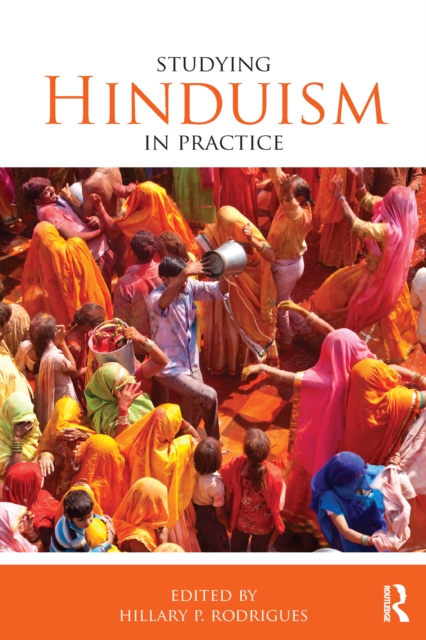
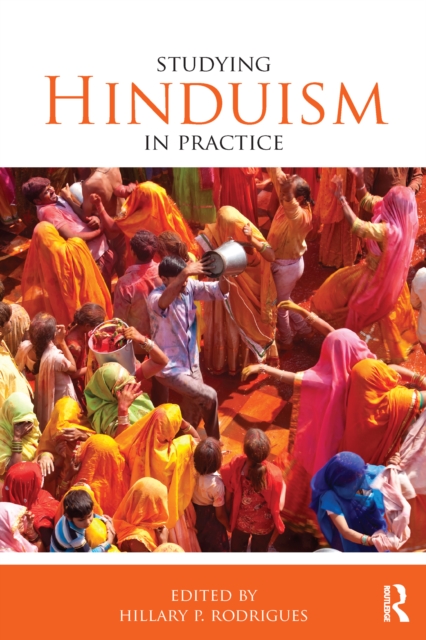
Drawing on personal experiences of Hinduism on the ground, this book provides a reflective context within which religious practices can be understood and appreciated.
Drawing on personal experiences of Hinduism on the ground, this book provides a reflective context within which religious practices can be understood and appreciated.
Salvific space is one of the central ideas in the Hindu traditions of pilgrimage, and concerns the ability of space, especially sites associated with bodies of water such as rivers and lakes, to grant salvific rewards.
Salvific space is one of the central ideas in the Hindu traditions of pilgrimage, and concerns the ability of space, especially sites associated with bodies of water such as rivers and lakes, to grant salvific rewards.