The town of Deopatan, three kilometers northeast of Kathmandu, is above all famous for its main sanctum, the temple of Pasupati, the "e;lord of the animals,"e; a form of Siva and the tutelary deity of the kings of Nepal since ancient times.
In Bringing the Sacred Down to Earth, Corinne Dempsey offers a comparative study of Hindu and Christian, Indian and Euro/American earthbound religious expressions.
The idea that there is a truth within the person linked to the discovery of a deeper, more fundamental, more authentic self, has been a common theme in many religions throughout history and an idea that is still with us today.
Focusing on the idea of genealogical affiliation (sampradaya), Kiyokazu Okita explores the interactions between the royal power and the priestly authority in eighteenth-century north India.
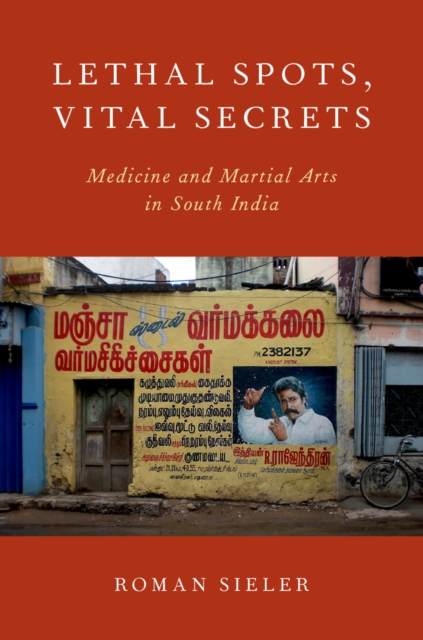
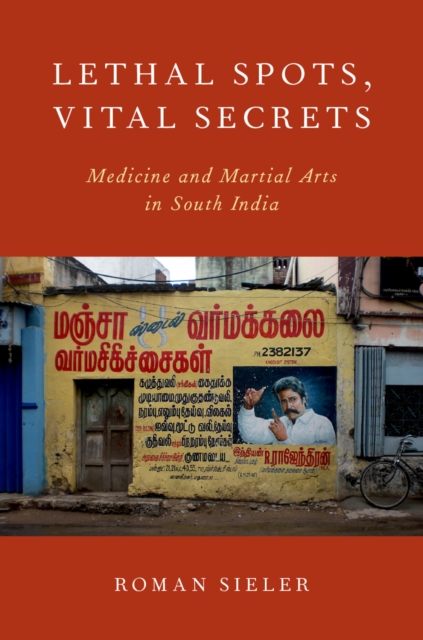
Lethal Spots, Vital Secrets provides an ethnographic study of varmakkalai, or "e;the art of the vital spots,"e; a South Indian esoteric tradition that combines medical practice and martial arts.
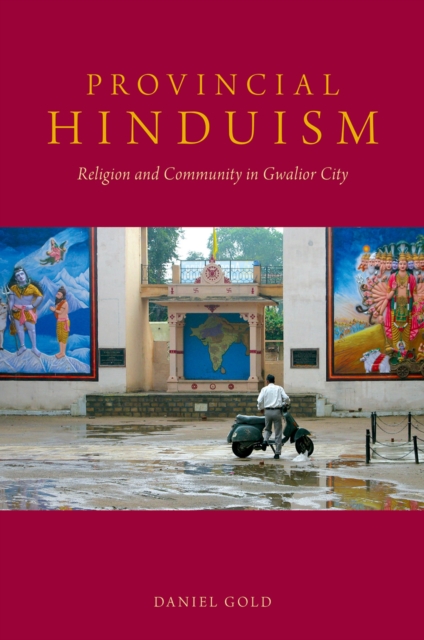
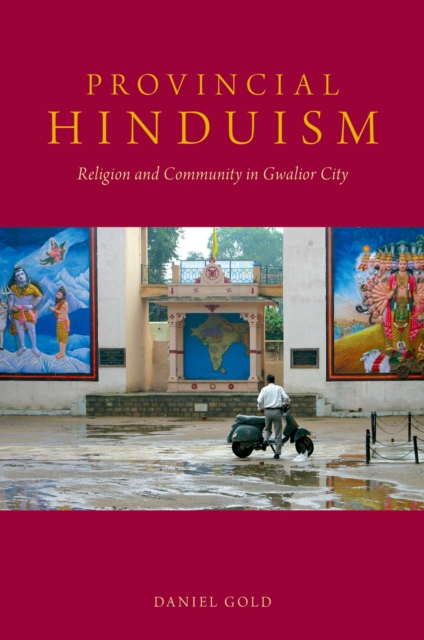
Provincial Hinduism explores intersecting religious worlds in an ordinary Indian city that remains close to its traditional roots, while bearing witness to the impact of globalization.
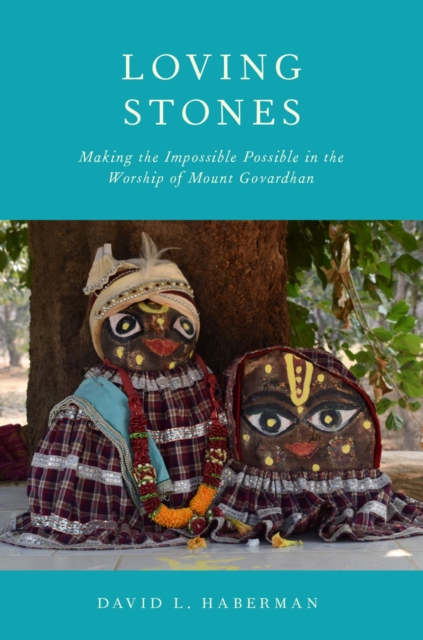
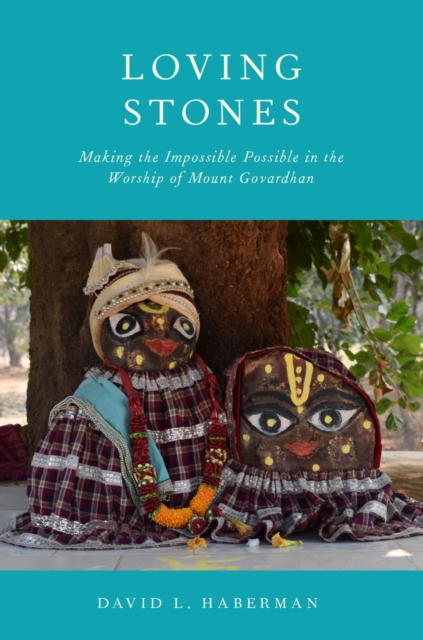
Loving Stones is a study of devotees' conceptions of and worshipful interactions with Mount Govardhan, a sacred mountain located in the Braj region of north-central India that has for centuries been considered an embodied form of Krishna.
Loving Stones is a study of devotees' conceptions of and worshipful interactions with Mount Govardhan, a sacred mountain located in the Braj region of north-central India that has for centuries been considered an embodied form of Krishna.
Of the five major sociologists whose views on Indian society are assessed in this work, originally published in 1979, Marx and Weber made a special study of the subject and had something definite to say about the future of Indian society.
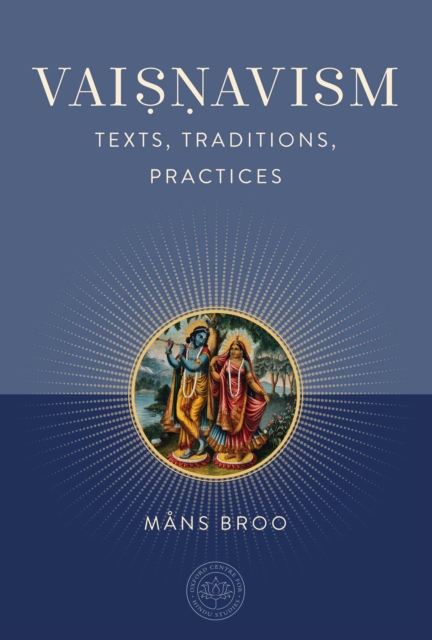
Distinguished scholar of religion and leading Vaisnava specialist Mans Broo offers a tour de force exploration of the history, philosophy, and lived practice of Vaisnavism in all its depth and richness.