Taking into account sociological, anthropological, and historical considerations, this novel volume offers a history and ethnography of Hare Krishnas in the People's Republic of China (PRC), challenging assumptions about both devotees themselves and the institution to which they belong: the International Society for Krishna Consciousness (ISKCON).
Taking into account sociological, anthropological, and historical considerations, this novel volume offers a history and ethnography of Hare Krishnas in the People's Republic of China (PRC), challenging assumptions about both devotees themselves and the institution to which they belong: the International Society for Krishna Consciousness (ISKCON).
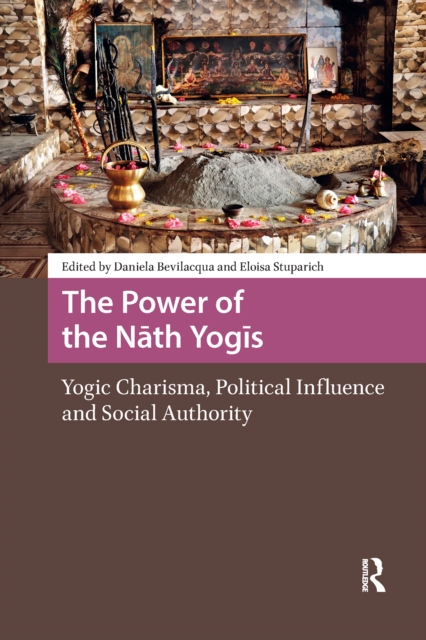
The volume collects a series of contributions that help reconstruct the recent history of the Nath tradition, highlighting important moments of self reinterpretation in the sampradaya's interaction with different social milieus.
The volume collects a series of contributions that help reconstruct the recent history of the Nath tradition, highlighting important moments of self reinterpretation in the sampradaya's interaction with different social milieus.
Bhandarkar's Vaisnavism, Saivism and Minor Religious Systems, first published in 1913, explores the origins of Vaishnavism by examining its sources of religion, aspects of the Mahabharata, and the Cult of Rama.
This book on the Tripurarahasya, a South Indian Sanskrit work which occupies a unique place in the Sakta literature, is a study of the Srividya and Sakta traditions in the context of South Indian intellectual history in the late middle ages.
This book on the Tripurarahasya, a South Indian Sanskrit work which occupies a unique place in the Sakta literature, is a study of the Srividya and Sakta traditions in the context of South Indian intellectual history in the late middle ages.
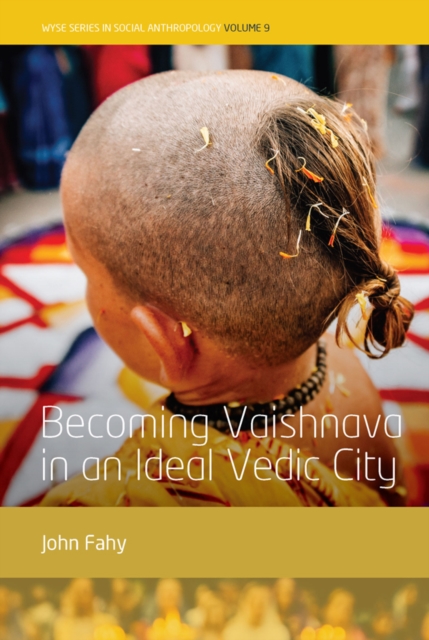
Becoming Vaishnava in an Ideal Vedic City centers on a growing multinational community of ISKCON (International Society for Krishna Consciousness) devotees in Mayapur, West Bengal.
The Bhagavad Gita Edwin Arnold - The Bhagavad-Gita is the best known of all the Indian scriptures, and Sir Edwin Arnold's Sanskrit Text to English translation is reliable, readable, and poetic.
Becoming Vaishnava in an Ideal Vedic City centers on a growing multinational community of ISKCON (International Society for Krishna Consciousness) devotees in Mayapur, West Bengal.
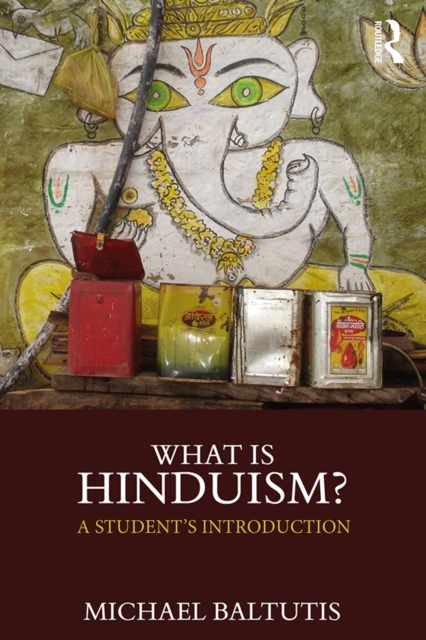
Hinduism comprises perhaps the major cluster of religio-cultural traditions of India, and it can play a valuable role in helping us understand the nature of religion and human responses to life.
Hinduism comprises perhaps the major cluster of religio-cultural traditions of India, and it can play a valuable role in helping us understand the nature of religion and human responses to life.
This introduction to the Madhva school of Vedanta is accessible to a wide audience with interest in Hinduism, Indian thought and in the comparative philosophy of religion.
This introduction to the Madhva school of Vedanta is accessible to a wide audience with interest in Hinduism, Indian thought and in the comparative philosophy of religion.
Modern Hindu Traditionalism addresses Hindu traditions that resisted contact with both Neo-Hindu thought and views of "e;classical"e; Hinduism perceived to be outmoded.
Modern Hindu Traditionalism addresses Hindu traditions that resisted contact with both Neo-Hindu thought and views of "e;classical"e; Hinduism perceived to be outmoded.
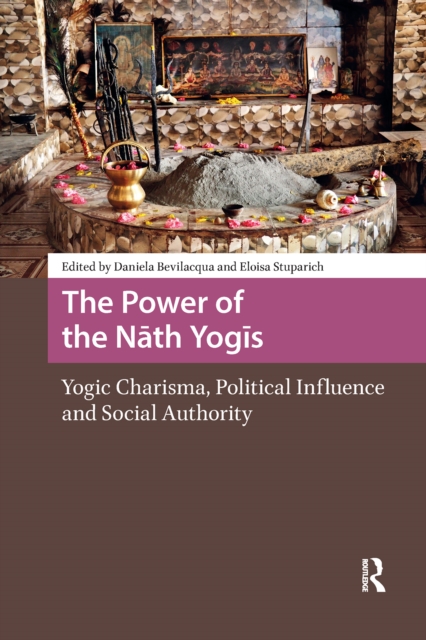
How have the premodern Shaiva ascetic sect of the Nath Yogis (known also as the Yogis with splitted ears) succeeded in maintaining its presence and importance until today?
How have the premodern Shaiva ascetic sect of the Nath Yogis (known also as the Yogis with splitted ears) succeeded in maintaining its presence and importance until today?
The Great Goddess, in her various puranic and tantric forms, is often figured as sitting on a corpse which is identified as Shiva-as-shava (God Shiva, the consort of the Devi and an iconic representation of the Absolute without attributes, the Nirguna Brahman).
The Great Goddess, in her various puranic and tantric forms, is often figured as sitting on a corpse which is identified as Shiva-as-shava (God Shiva, the consort of the Devi and an iconic representation of the Absolute without attributes, the Nirguna Brahman).
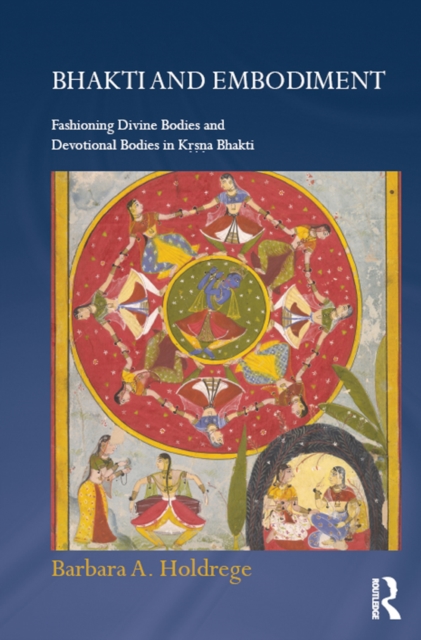
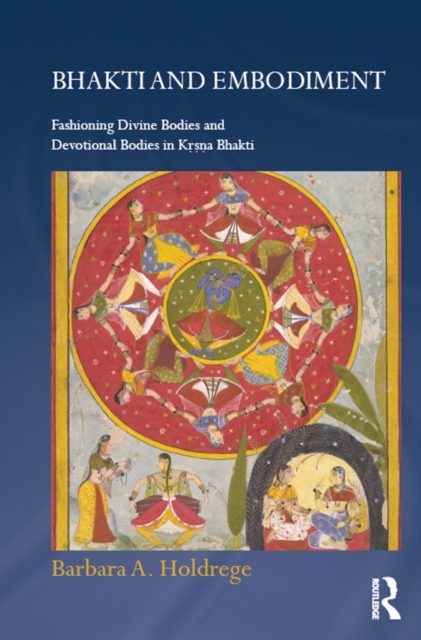
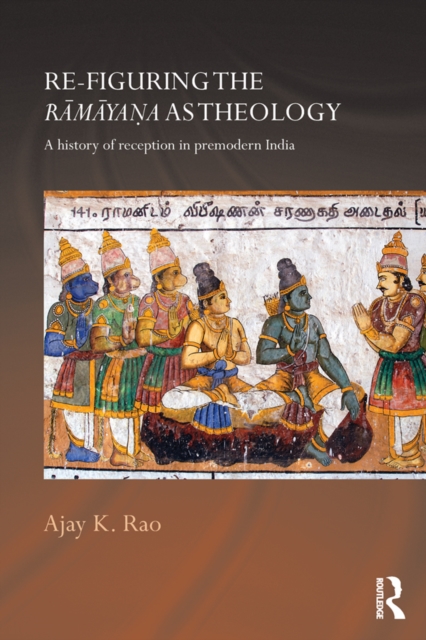
The historical shift from Vedic traditions to post-Vedic bhakti (devotional) traditions is accompanied by a shift from abstract, translocal notions of divinity to particularized, localized notions of divinity and a corresponding shift from aniconic to iconic traditions and from temporary sacrificial arenas to established temple sites.
The historical shift from Vedic traditions to post-Vedic bhakti (devotional) traditions is accompanied by a shift from abstract, translocal notions of divinity to particularized, localized notions of divinity and a corresponding shift from aniconic to iconic traditions and from temporary sacrificial arenas to established temple sites.
Bhandarkar's Vaisnavism, Saivism and Minor Religious Systems, first published in 1913, explores the origins of Vaishnavism by examining its sources of religion, aspects of the Mahabharata, and the Cult of Rama.
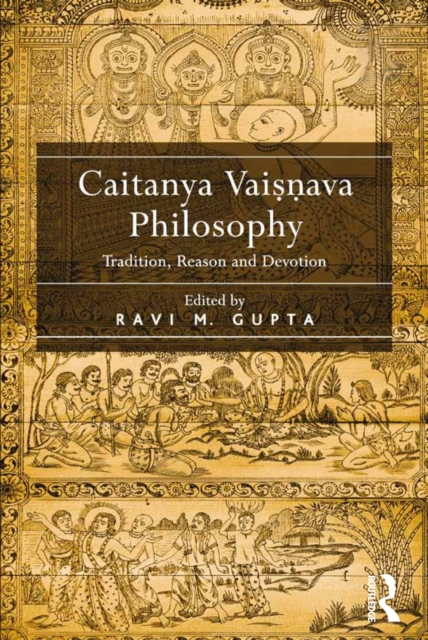
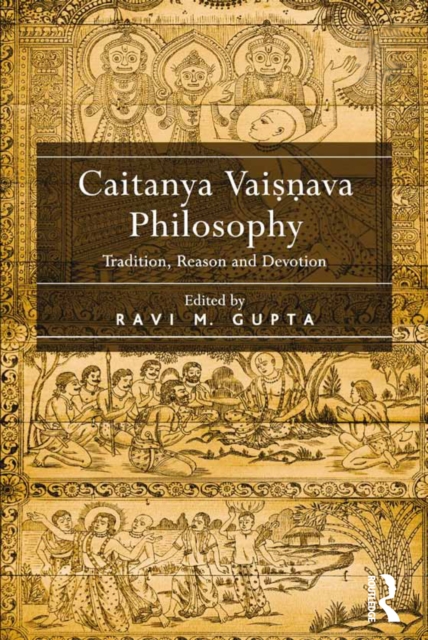
In the sixteenth century, the saint and scholar Sri Caitanya set in motion a wave of devotion to Krishna that began in eastern India and has now found its way around the world.
In the sixteenth century, the saint and scholar Sri Caitanya set in motion a wave of devotion to Krishna that began in eastern India and has now found its way around the world.
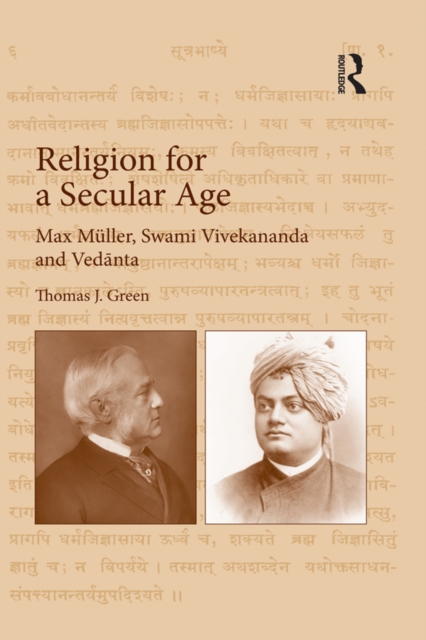
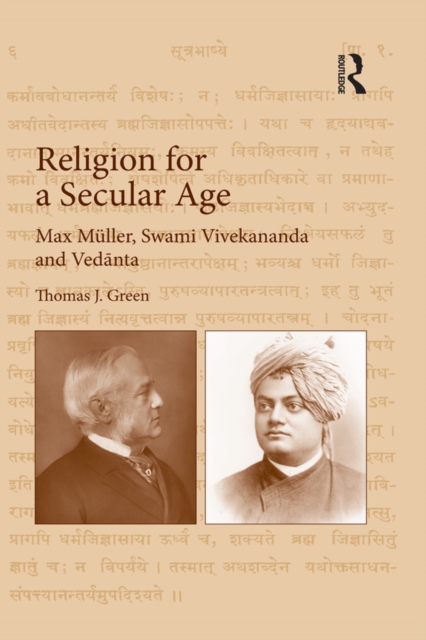
Religion for a Secular Age provides a transnational history of modern Vedanta through a comparative study of two of its most important exponents, Friedrich Max Muller (1823-1900) and Swami Vivekananda (1863-1902).
Religion for a Secular Age provides a transnational history of modern Vedanta through a comparative study of two of its most important exponents, Friedrich Max Muller (1823-1900) and Swami Vivekananda (1863-1902).
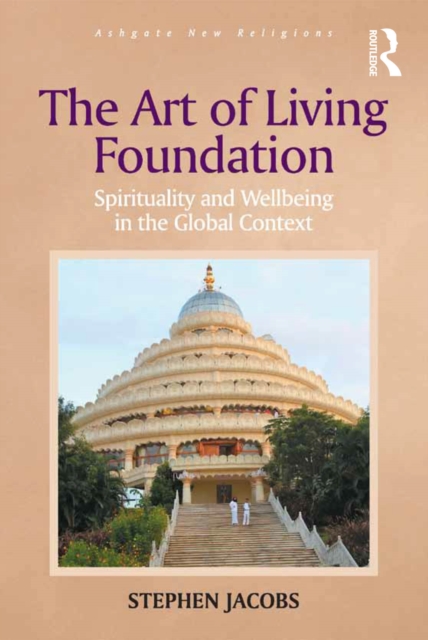
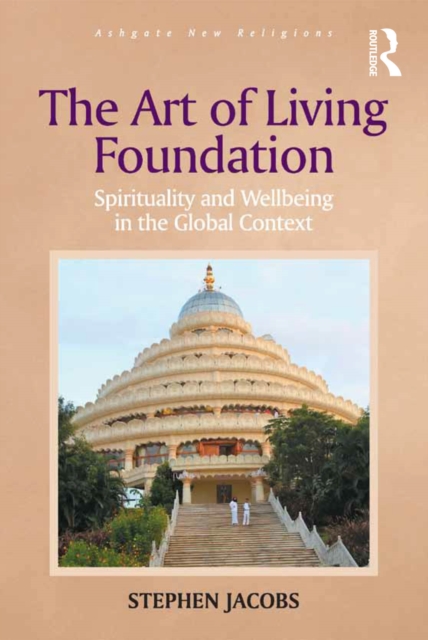
The Hindu-derived meditation movement, The Art of Living (AOL), founded in 1981 by Sri Sri Ravi Shankar in Bangalore, has grown into a global organization which claims presence in more than 150 countries.
The Hindu-derived meditation movement, The Art of Living (AOL), founded in 1981 by Sri Sri Ravi Shankar in Bangalore, has grown into a global organization which claims presence in more than 150 countries.
This book provides new data and perspectives on the development of 'world religion' in post-colonial societies through an analysis of the development of 'Hinduism' in various parts of Indonesia from the early twentieth century to the present.
This book provides new data and perspectives on the development of 'world religion' in post-colonial societies through an analysis of the development of 'Hinduism' in various parts of Indonesia from the early twentieth century to the present.
In different stages in the history of South Asian religions, the term yogini has been used in various contexts to designate various things: a female adept of yoga, a female tantric practitioner, a sorceress, a woman dedicated to a deity, or a certain category of female deities.
In different stages in the history of South Asian religions, the term yogini has been used in various contexts to designate various things: a female adept of yoga, a female tantric practitioner, a sorceress, a woman dedicated to a deity, or a certain category of female deities.
Filling the most glaring gap in Shrivaishnava scholarship, this book deals with the history of interpretation of a theological concept of self-surrender-prapatti in late twelfth and thirteenth century religious texts of the Shrivaishnava community of South India.
Filling the most glaring gap in Shrivaishnava scholarship, this book deals with the history of interpretation of a theological concept of self-surrender-prapatti in late twelfth and thirteenth century religious texts of the Shrivaishnava community of South India.