This volume situates itself within the context of the rapidly growing interdisciplinary field that is dedicated to the study of the complex interactions between science and religion.
This volume situates itself within the context of the rapidly growing interdisciplinary field that is dedicated to the study of the complex interactions between science and religion.
An extensive study of self-sacrificial images in Indian art, this book examines concepts such as head-offering, human sacrifice, blood, suicide, valour, self-immolation, and self-giving in the context of religion and politics to explore why these images were produced and how they became paradigms of heroism.
An extensive study of self-sacrificial images in Indian art, this book examines concepts such as head-offering, human sacrifice, blood, suicide, valour, self-immolation, and self-giving in the context of religion and politics to explore why these images were produced and how they became paradigms of heroism.
Originally published in 1911, this edition published in 1920, this text comprises of an excerpt from Carpenter's Adam's Peak to Elephanta, originally published in 1892, which details his travels in India and Ceylon.
Originally published in 1911, this edition published in 1920, this text comprises of an excerpt from Carpenter's Adam's Peak to Elephanta, originally published in 1892, which details his travels in India and Ceylon.
This volume presents a comparison of seven major religious reformers of the late nineteenth and early twentieth centuries: For Islam, Jamal ad-Din al-Afghani, Muhammad 'Abduh and Muhammad Rashid Rida; for Hinduism, Dayananda Sarasvati and Swami Shraddhananda; for Confucianism, K'ang Yu-wei and Liang Ch'i-ch'ao.
This volume presents a comparison of seven major religious reformers of the late nineteenth and early twentieth centuries: For Islam, Jamal ad-Din al-Afghani, Muhammad 'Abduh and Muhammad Rashid Rida; for Hinduism, Dayananda Sarasvati and Swami Shraddhananda; for Confucianism, K'ang Yu-wei and Liang Ch'i-ch'ao.
Mobile Lifeworlds illustrates how the imaginaries and ideals of Western travellers, especially those of untouched nature and spiritual enlightenment, are consistent with media representations of the Himalayan region, romanticism and modernity at large.
Mobile Lifeworlds illustrates how the imaginaries and ideals of Western travellers, especially those of untouched nature and spiritual enlightenment, are consistent with media representations of the Himalayan region, romanticism and modernity at large.
Dalits, formerly called 'untouchables', remain the most oppressed community in India, and indeed in South Asia and have, until recently, been denied human and civic rights.
Dalits, formerly called 'untouchables', remain the most oppressed community in India, and indeed in South Asia and have, until recently, been denied human and civic rights.
In the sixteenth century, the saint and scholar Sri Caitanya set in motion a wave of devotion to Krishna that began in eastern India and has now found its way around the world.
In the sixteenth century, the saint and scholar Sri Caitanya set in motion a wave of devotion to Krishna that began in eastern India and has now found its way around the world.
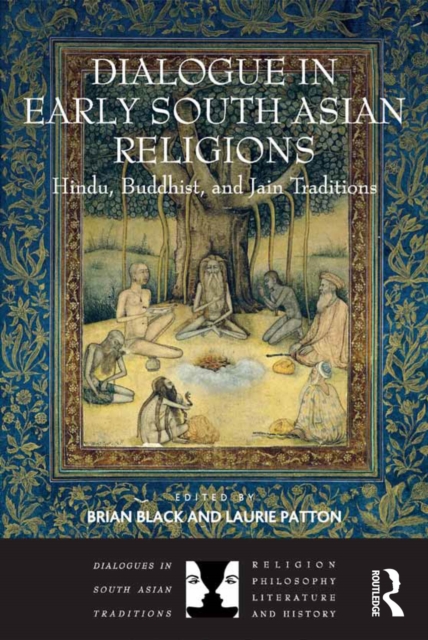
Dialogue between characters is an important feature of South Asian religious literature: entire narratives are often presented as a dialogue between two or more individuals, or the narrative or discourse is presented as a series of embedded conversations from different times and places.
Dialogue between characters is an important feature of South Asian religious literature: entire narratives are often presented as a dialogue between two or more individuals, or the narrative or discourse is presented as a series of embedded conversations from different times and places.
This book analyzes the writings of Karl Rahner, Karl Barth, and Vedanta Desika to disclose how each construes "e;piety"e; and "e;responsibility"e; as integral to each other.
This book analyzes the writings of Karl Rahner, Karl Barth, and Vedanta Desika to disclose how each construes "e;piety"e; and "e;responsibility"e; as integral to each other.
Since the beginning of the anthropology of pilgrimage, scant attention has been paid to pilgrimage and pilgrim places in central, eastern and south-eastern Europe.
Since the beginning of the anthropology of pilgrimage, scant attention has been paid to pilgrimage and pilgrim places in central, eastern and south-eastern Europe.
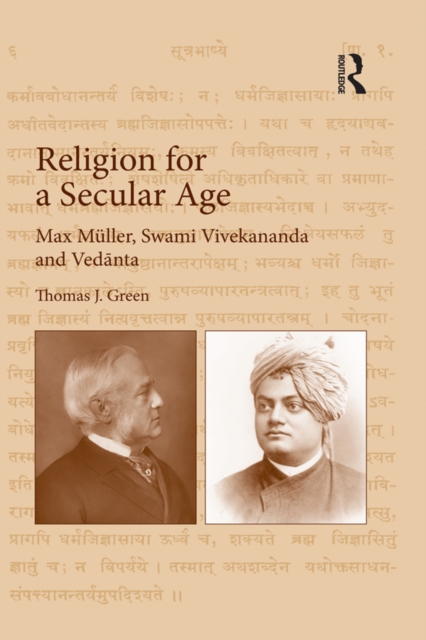
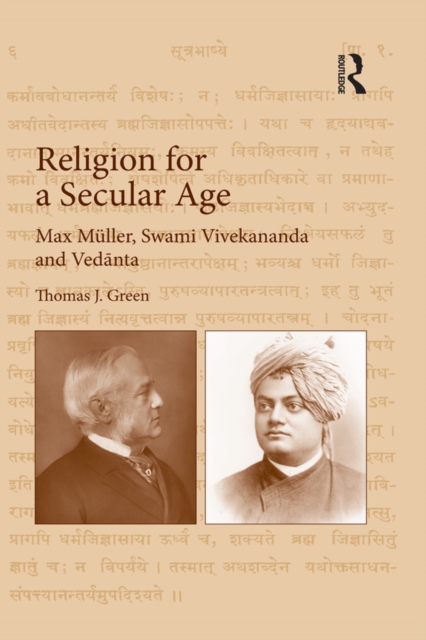
Religion for a Secular Age provides a transnational history of modern Vedanta through a comparative study of two of its most important exponents, Friedrich Max Muller (1823-1900) and Swami Vivekananda (1863-1902).
Religion for a Secular Age provides a transnational history of modern Vedanta through a comparative study of two of its most important exponents, Friedrich Max Muller (1823-1900) and Swami Vivekananda (1863-1902).
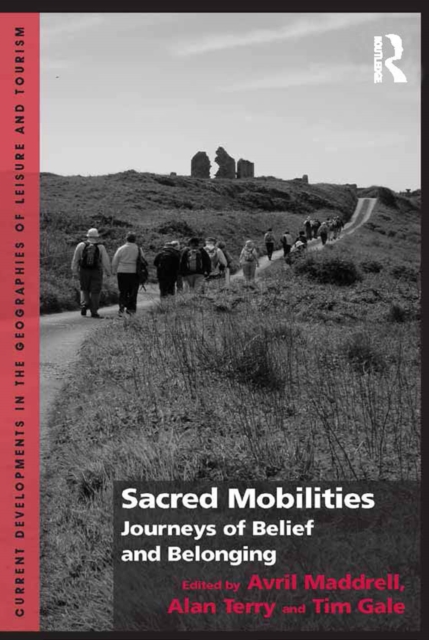
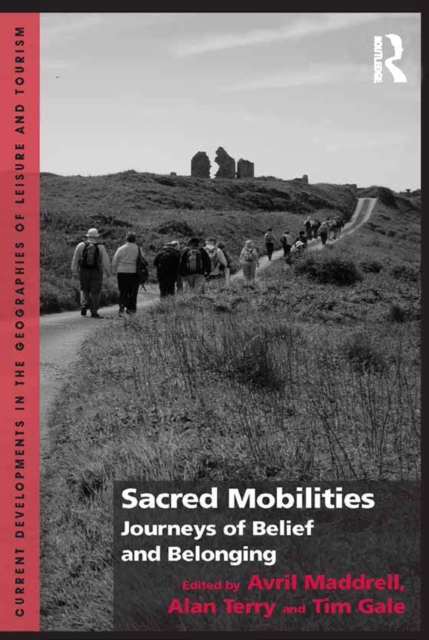
This collection draws on the Mobilities approach to look afresh at notions of the sacred where they intersect with people, objects and other things on the move.
This collection draws on the Mobilities approach to look afresh at notions of the sacred where they intersect with people, objects and other things on the move.
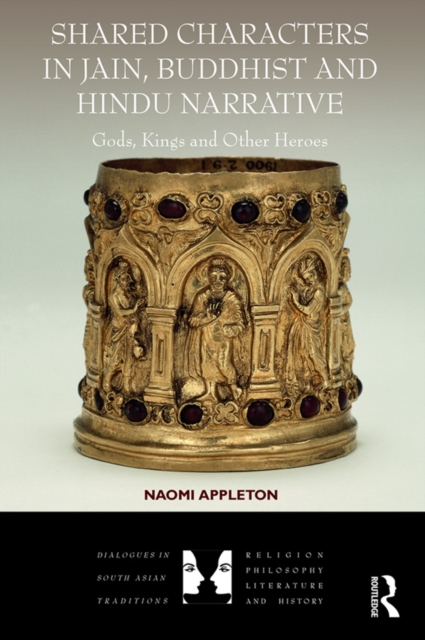
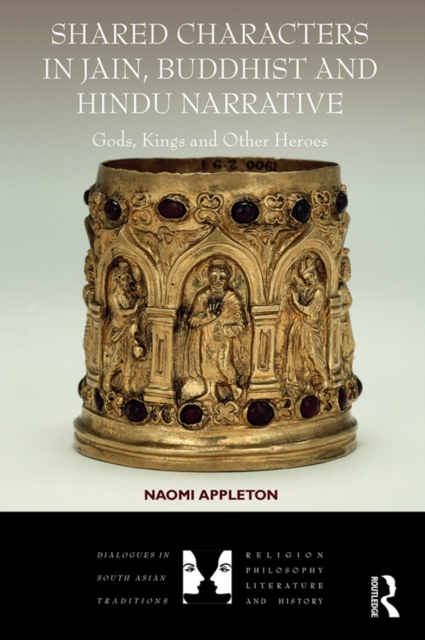
Taking a comparative approach which considers characters that are shared across the narrative traditions of early Indian religions (Brahmanical Hinduism, Jainism and Buddhism) Shared Characters in Jain, Buddhist and Hindu Narrative explores key religious and social ideals, as well as points of contact, dialogue and contention between different worldviews.
Taking a comparative approach which considers characters that are shared across the narrative traditions of early Indian religions (Brahmanical Hinduism, Jainism and Buddhism) Shared Characters in Jain, Buddhist and Hindu Narrative explores key religious and social ideals, as well as points of contact, dialogue and contention between different worldviews.
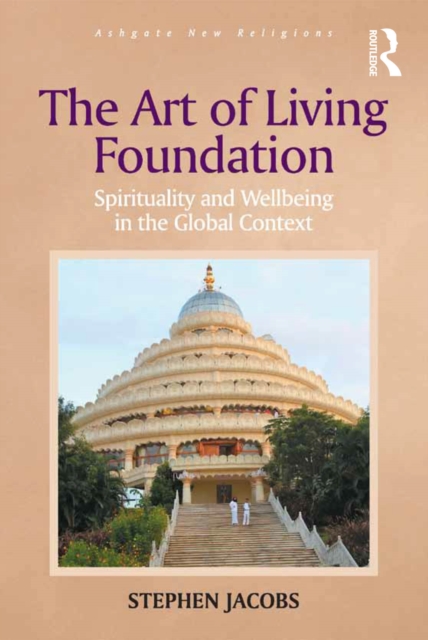
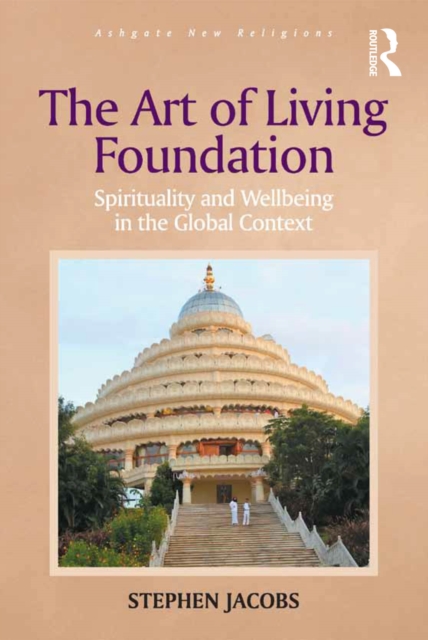
The Hindu-derived meditation movement, The Art of Living (AOL), founded in 1981 by Sri Sri Ravi Shankar in Bangalore, has grown into a global organization which claims presence in more than 150 countries.
The Hindu-derived meditation movement, The Art of Living (AOL), founded in 1981 by Sri Sri Ravi Shankar in Bangalore, has grown into a global organization which claims presence in more than 150 countries.
The Hindu thinker Swami Vivekananda (1863-1902) was and remains an important figure both within India, and in the West, where he was notable for preaching Vedanta.
The Hindu thinker Swami Vivekananda (1863-1902) was and remains an important figure both within India, and in the West, where he was notable for preaching Vedanta.
Exploring the relations between the concepts of peace and violence with aesthetics, nature, the body, and environmental issues, The Poesis of Peace applies a multidisciplinary approach to case studies in both Western and non-Western contexts including Islam, Chinese philosophy, Buddhist and Hindu traditions.