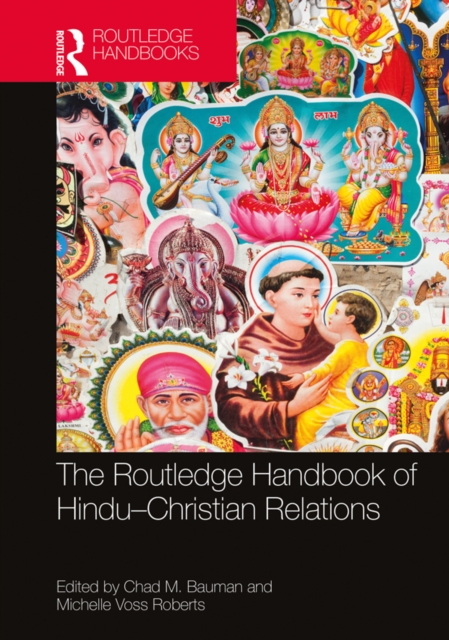
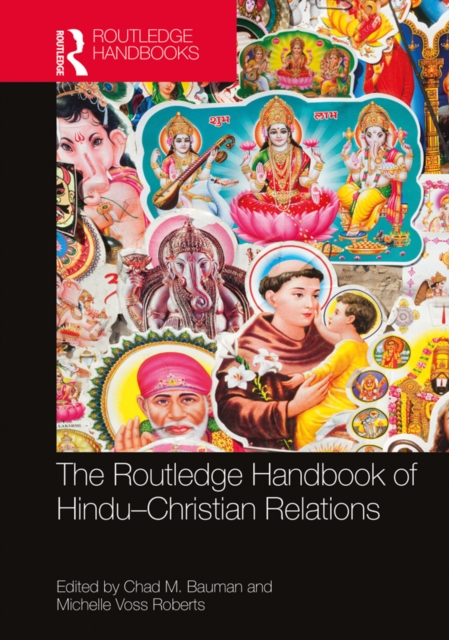
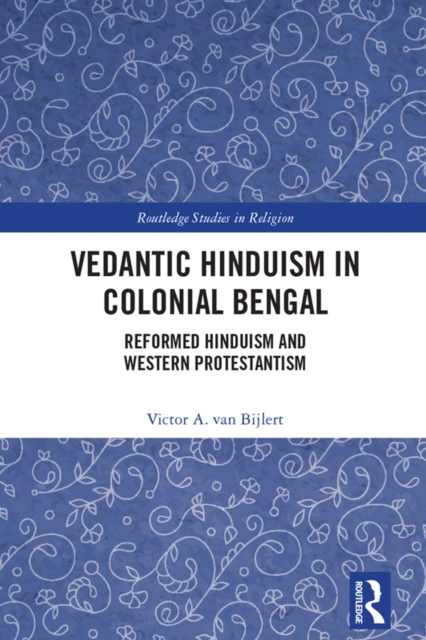
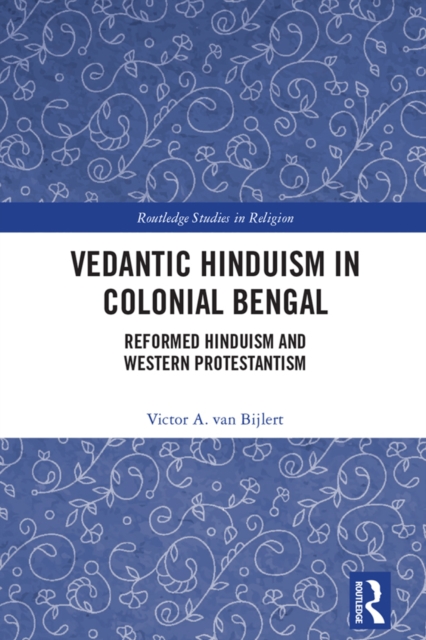
The historical interplay of Hinduism as an ancient Indian religion and Christianity as a religion associated (in India, at least) with foreign power and colonialism, continues to animate Hindu-Christian relations today.
The historical interplay of Hinduism as an ancient Indian religion and Christianity as a religion associated (in India, at least) with foreign power and colonialism, continues to animate Hindu-Christian relations today.
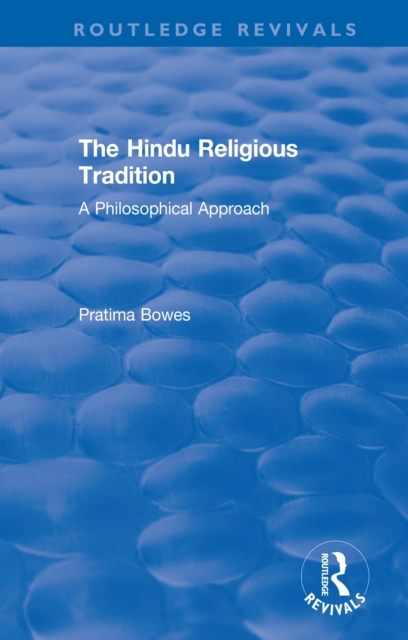
Originally published in 1977, The Hindu Religious Tradition provides a detailed exploration into the different doctrines regarding the nature of Religious Reality and the many paths of search for this Reality within the Hindu religion.
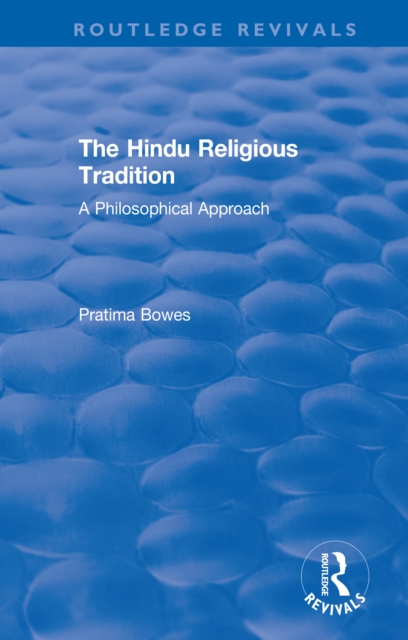
Originally published in 1977, The Hindu Religious Tradition provides a detailed exploration into the different doctrines regarding the nature of Religious Reality and the many paths of search for this Reality within the Hindu religion.
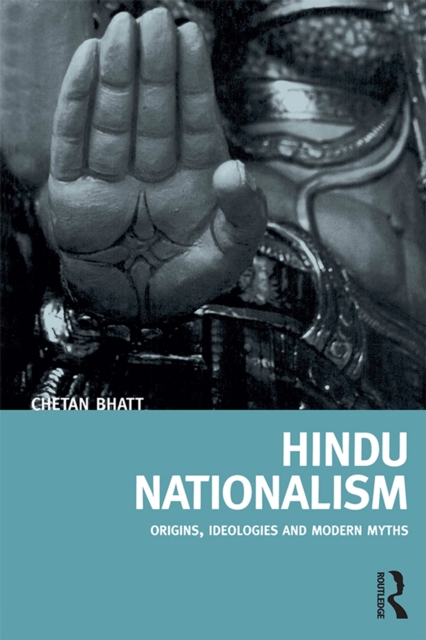
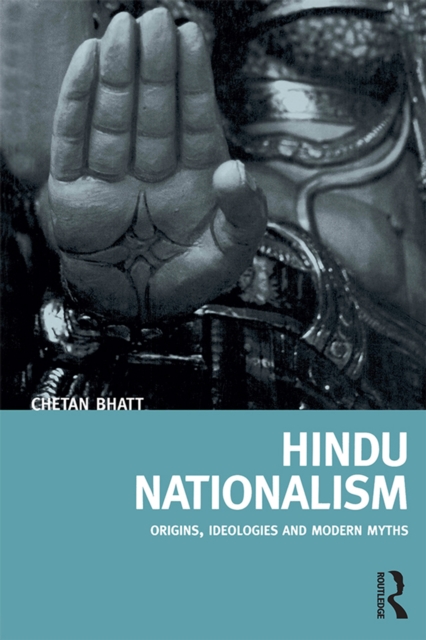
The rise of authoritarian Hindu mass movements and political formations in India since the early 1980s raises fundamental questions about the resurgence of chauvinistic ethnic, religious and nationalist movements in the late modern period.
The rise of authoritarian Hindu mass movements and political formations in India since the early 1980s raises fundamental questions about the resurgence of chauvinistic ethnic, religious and nationalist movements in the late modern period.
The Mahabharata has been explored extensively as a work of mythology, epic poetry, and religious literature, but the text's philosophical dimensions have largely been under-appreciated by Western scholars.
The Mahabharata has been explored extensively as a work of mythology, epic poetry, and religious literature, but the text's philosophical dimensions have largely been under-appreciated by Western scholars.
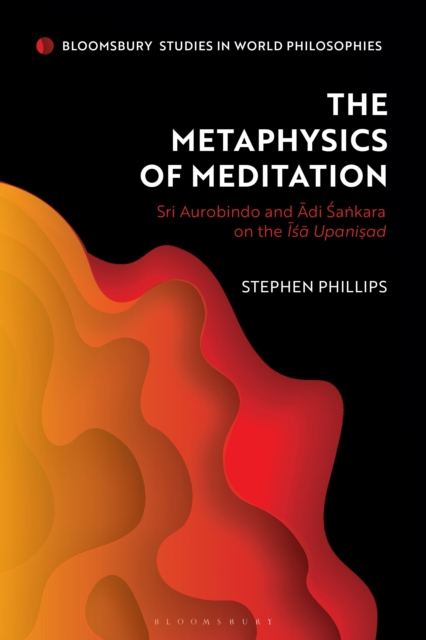
In this book Stephen Phillips focuses on one of the most important poems about meditation in world literature, as understood by two of the greatest philosophers of India, one classical, one modern.
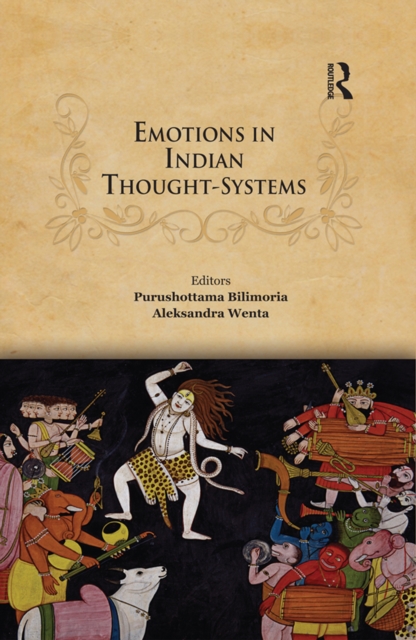
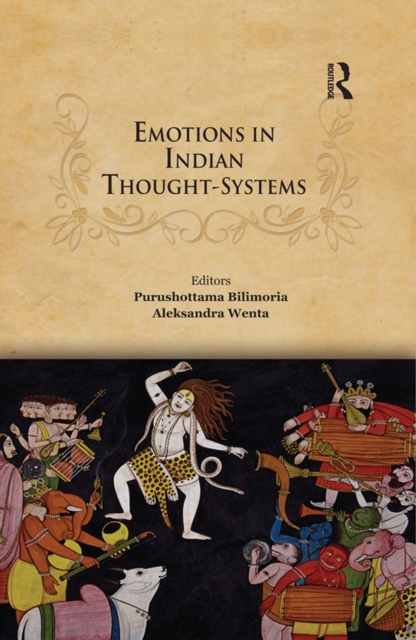
A stimulating account of the wide range of approaches towards conceptualising emotions in classical Indian philosophical-religious traditions, such as those of the Upanishads, Vaishnava Tantrism, Bhakti movement, Jainism, Buddhism, Yoga, Shaivism, and aesthetics, this volume analyses the definition and validity of emotions in the construction of
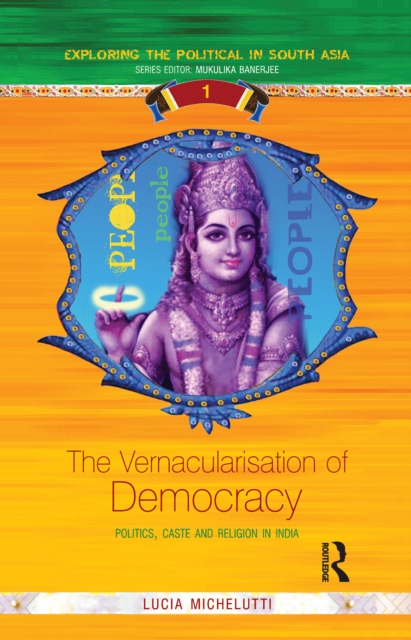
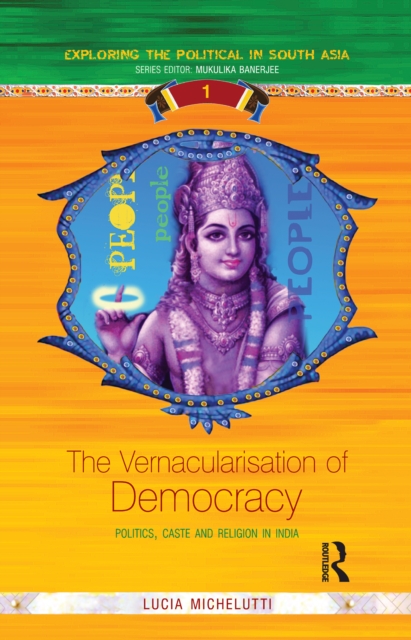
The book is an ethnographic exploration of how 'democracy' takes social and cultural roots in India and in the process shapes the nature of popular politics.
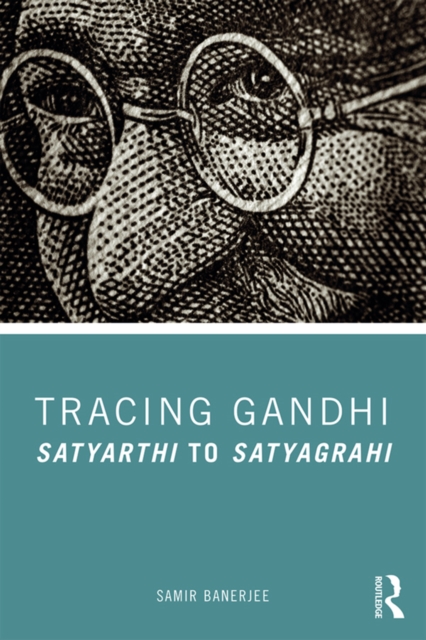
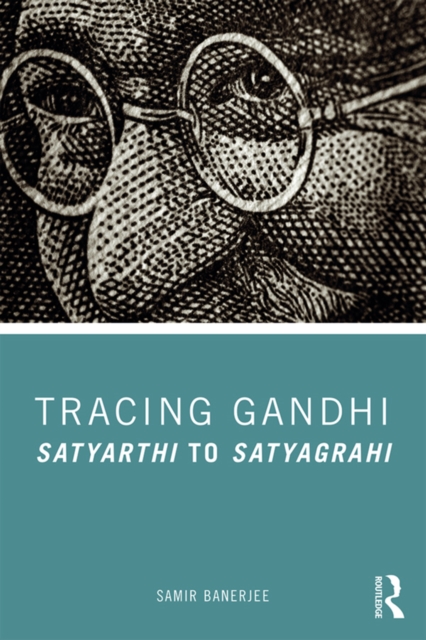
This book traces the journey of Mahatma Gandhi, from being a simple and truth-seeking human being, a satyarthi, to a committed, conscious and social human being, a satyagrahi.
A stimulating account of the wide range of approaches towards conceptualising emotions in classical Indian philosophical-religious traditions, such as those of the Upanishads, Vaishnava Tantrism, Bhakti movement, Jainism, Buddhism, Yoga, Shaivism, and aesthetics, this volume analyses the definition and validity of emotions in the construction of
The book is an ethnographic exploration of how 'democracy' takes social and cultural roots in India and in the process shapes the nature of popular politics.
This book traces the journey of Mahatma Gandhi, from being a simple and truth-seeking human being, a satyarthi, to a committed, conscious and social human being, a satyagrahi.
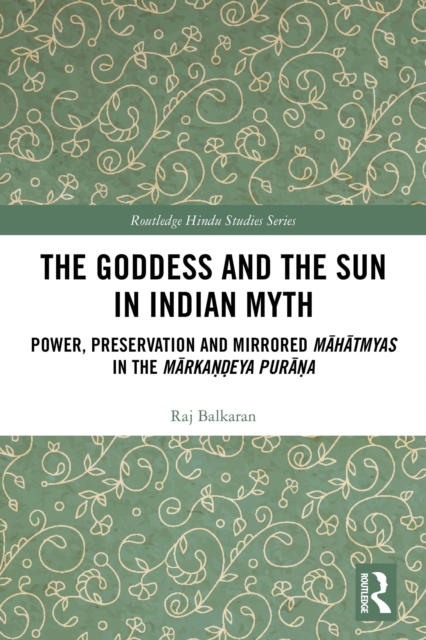
In analyzing the parallels between myths glorifying the Indian Great Goddess, Durga, and those glorifying the Sun, Surya, found in the Markandeya Purana, this book argues for an ideological ecosystem at work in the Markandeya Purana privileging worldly values, of which Indian kings, the Goddess (Devi), the Sun (Surya), Manu and Markandeya himself are paragons.
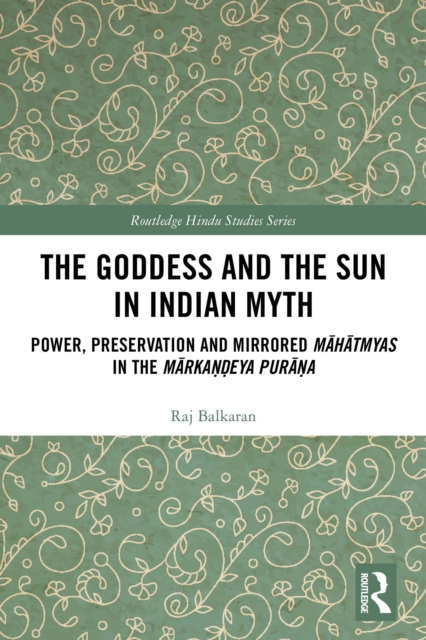
In analyzing the parallels between myths glorifying the Indian Great Goddess, Durga, and those glorifying the Sun, Surya, found in the Markandeya Purana, this book argues for an ideological ecosystem at work in the Markandeya Purana privileging worldly values, of which Indian kings, the Goddess (Devi), the Sun (Surya), Manu and Markandeya himself are paragons.
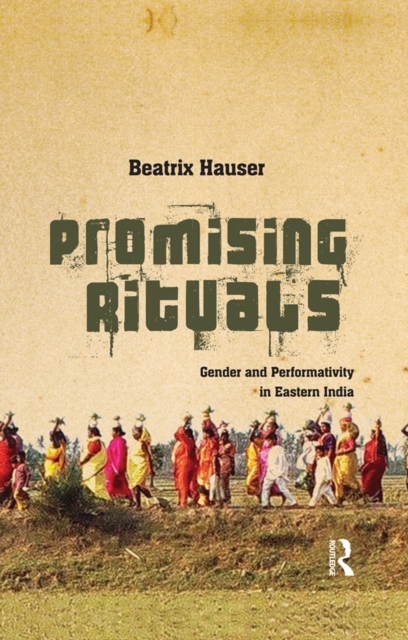
This book shows how the performance of rituals influences the understanding that Hindu women form of their own selves, their sense of femininity, identity as well as their role and position in the lived-in world, and vice versa.
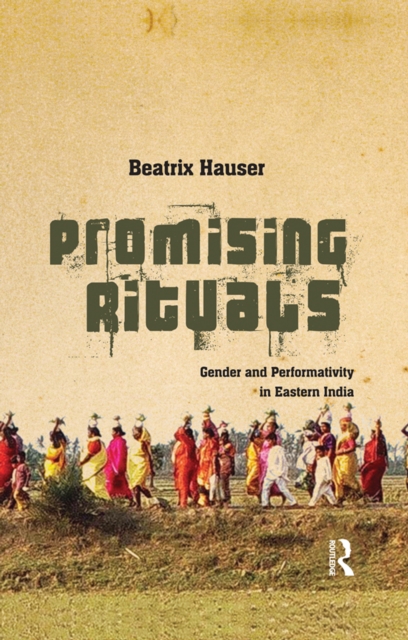
This book shows how the performance of rituals influences the understanding that Hindu women form of their own selves, their sense of femininity, identity as well as their role and position in the lived-in world, and vice versa.
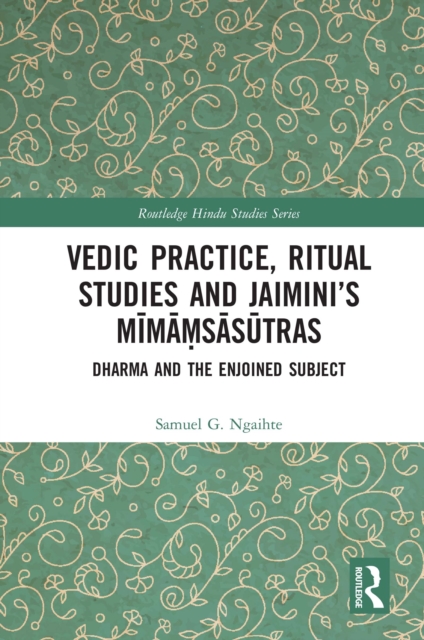
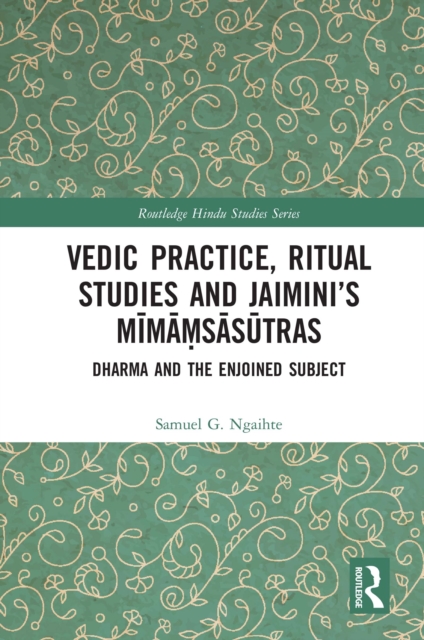
Drawing on insights from Indian intellectual tradition, this book examines the conception of dharma by Jaimini in his Mimamsasutras, assessing its contemporary relevance, particularly within ritual scholarship.
Drawing on insights from Indian intellectual tradition, this book examines the conception of dharma by Jaimini in his Mimamsasutras, assessing its contemporary relevance, particularly within ritual scholarship.
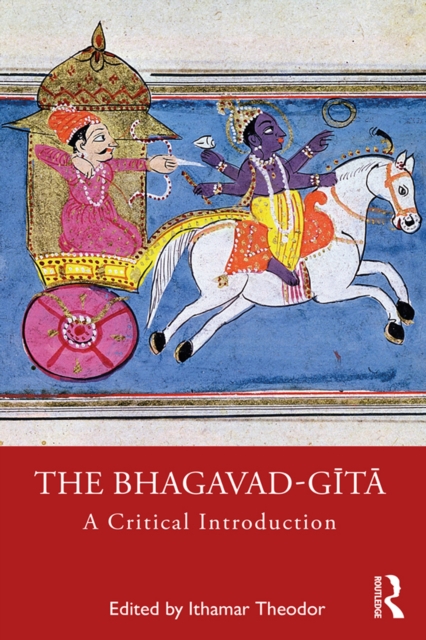
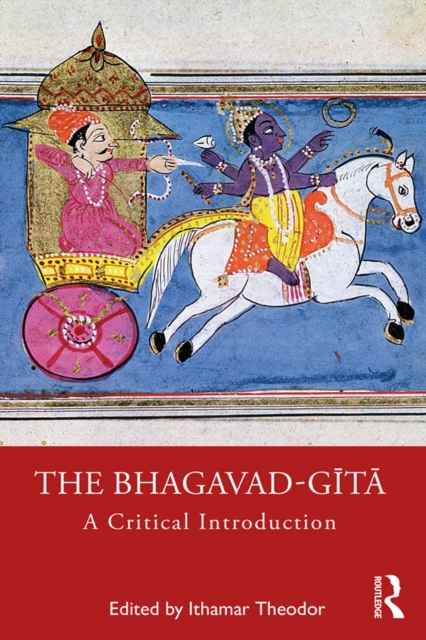
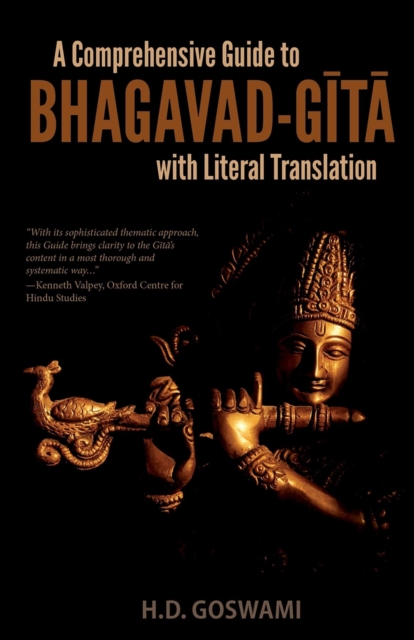
In the late 18th century Bhagavad-gita became the first Sanskrit work to be rendered in a European tongue, and since that time it has generated countless translations and secondary analyses.
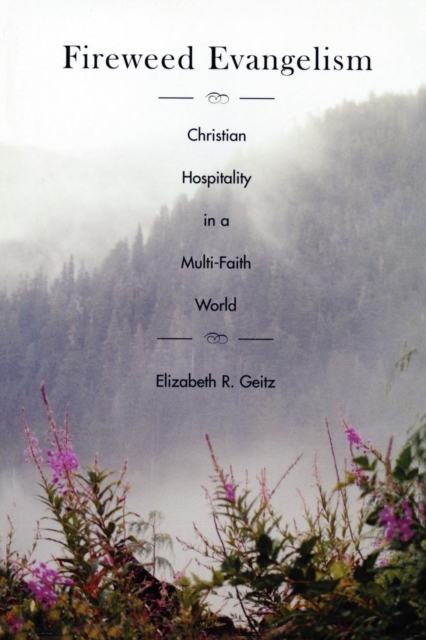
Fireweed, always the first flower to spring up and bloom in ruins and burned-over places, is Elizabeth Geitz's metaphor for evangelism that comes from the heart.
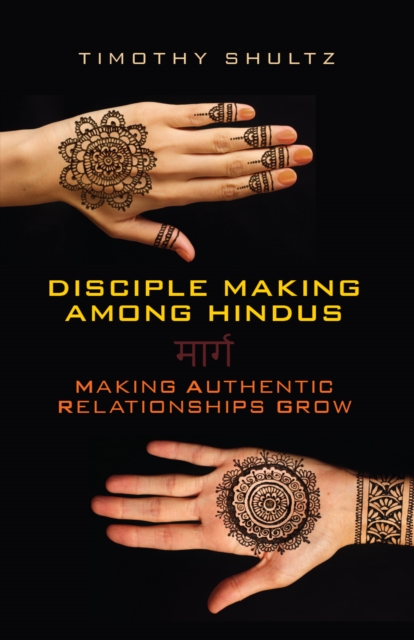
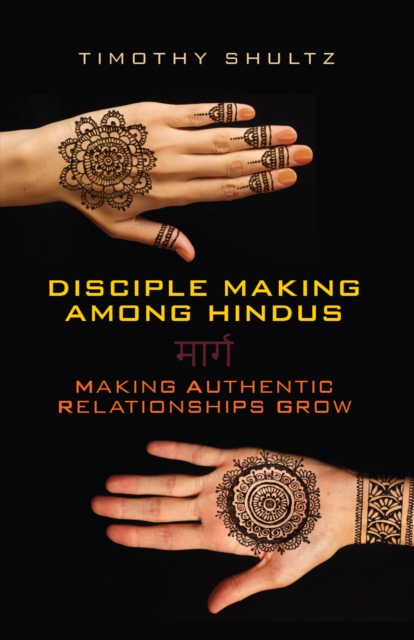
Making Authentic Relationships GrowDrawing on thirty years experience among Hindus, Timothy Shultz writes this book as a testimony of the kingdom of God growing in a non-Christian environment.
Making Authentic Relationships GrowDrawing on thirty years experience among Hindus, Timothy Shultz writes this book as a testimony of the kingdom of God growing in a non-Christian environment.