
Hinduism
Sorting
Bestseller Sorting collapsed
Bestseller
Name: A-Z
Name: Z-A
Price ascending
Price descending
Publication Date ascending
Publication Date descending
E-book

Price
0
16.99 £




E-book
0
0
Price
16.99 £
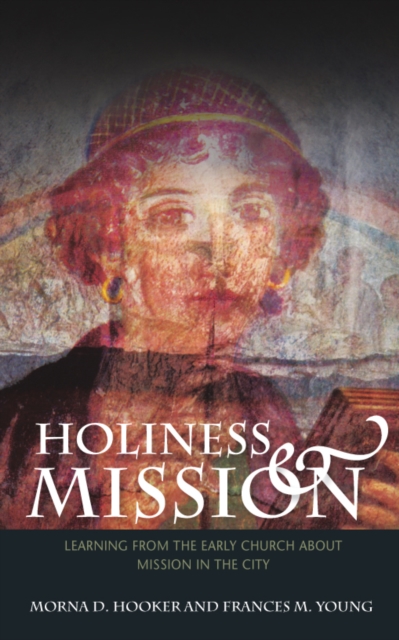
This book explores what mission and discipleship meant for some of the earliest Christian communities.
Read more
E-book
Price
0
31.50 £
E-book
0
0
Price
31.50 £
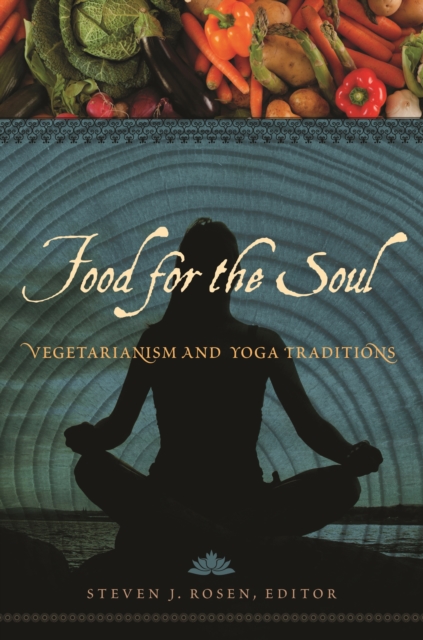
This revealing compilation of essays by prominent practitioners and well-informed scholars lays to bear one simple truth: One must be a vegetarian to properly practice Yoga.
Read more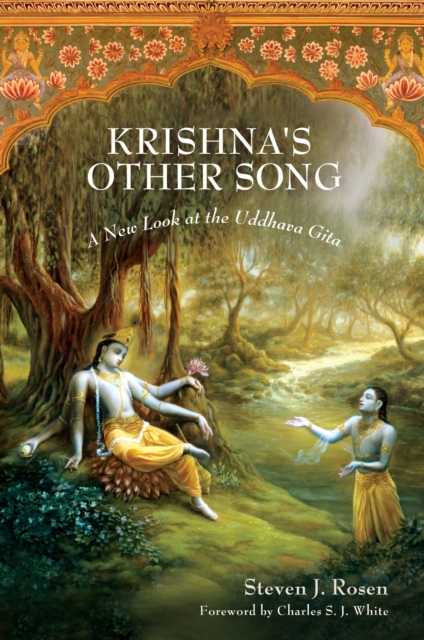
E-book
Price
0
40.50 £
E-book
0
0
Price
40.50 £
Students of religion and Eastern thought will welcome this readable translation and practical commentary on the Uddhava Gita, a Hindu text in which Krishna's teachings introduced in the Bhagavad Gita are extended and nuanced.
Read more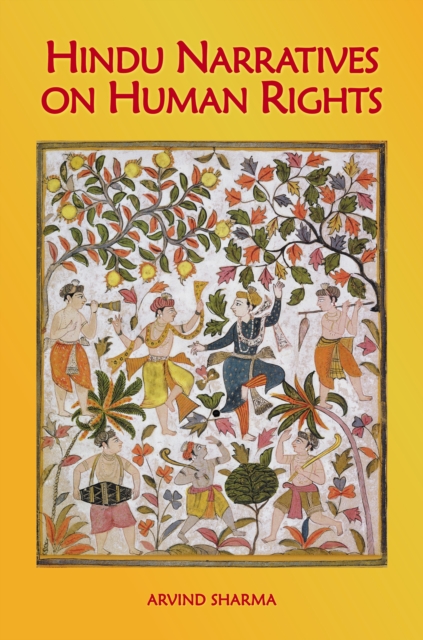
E-book
Price
0
54.00 £
E-book
0
0
Price
54.00 £
This pioneering work examines the existing understanding of Hinduism in relation to human rights discourse.
Read more
E-book
Price
0
27.00 £
E-book
0
0
Price
27.00 £
Navigate the world's belief systems with this faith-filled resource!
Read more
E-book
Price
6.99 £ * Old Price 27.99 £
E-book
0
0
Price
6.99 £ * Old Price 27.99 £
Restores the feminine essence of the Tao Te Ching as well as the simplicity and poetic undertones of the chapters Offers commentary for each of the 81 chapters and key Chinese characters to reveal their profound wisdom Translated from ancient silk and bamboo slip manuscripts, the oldest known copies of the Tao Te Ching Paper with French flaps In this book, Rosemarie Anderson shares her discoveries of the Divine Feminine Tao alongside her original translation of the Tao Te Ching.
Read more
E-book
Price
8.99 £ * Old Price 35.99 £
E-book
0
0
Price
8.99 £ * Old Price 35.99 £
Explains the basic techniques of the practice, detailing proper posture, breathwork exercises (pranayama), bandhas, third-eye gazing, and the use of mantra Presents advanced, yet simple, techniques that accelerate a contemplative practice by micro-modulations related to posture, respiration, visualization, and sound Includes wisdom from the authors teacher Ganesh Baba on the importance of the spine in Kriya yoga and the Cycle of Synthesis, a model of the human experience Kriya yoga is an ancient meditation technique that focuses on breathing and the spine to unlock deep states of awareness, self-realization, and spiritual growth.
Read more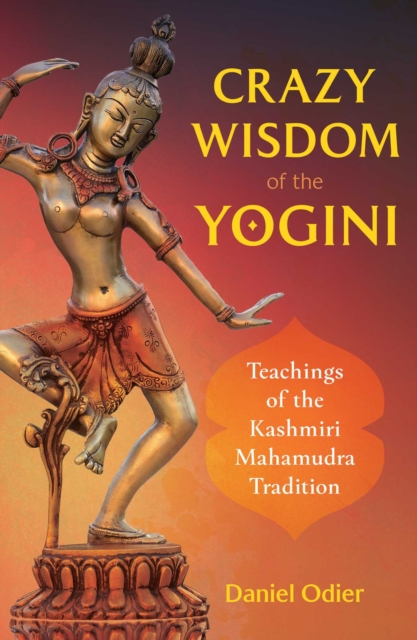
E-book
Price
6.99 £ * Old Price 27.99 £
E-book
0
0
Price
6.99 £ * Old Price 27.99 £
Shares vivid, experiential descriptions of the authors sessions with master Lalita Devi wherein she imparted the essential principles of the Mahamudra to him physically, verbally, and energetically Presents new translations of the most significant sacred books, including the Shiva Sutras, the Pratybhijna Hrdayam Sutra, and the Spandakarika, each presented in language that preserves their spontaneous mystic flow Pairs the authors intellectual study of the sacred texts with direct transmissions from his teacher, with each perspective shedding light on the other In 1975, in an isolated Himalayan forest, Daniel Odier met Lalita Devi, a tantric yogini who took him on a mystical journey beyond the limits of sexual experience to transcend the ego, recognize the true self, and rediscover the Divine nature of absolute love.
Read more
E-book
Price
0
37.00 £
E-book
0
0
Price
37.00 £
Globalization and urbanization are twin forces that are powerfully shaping economics, politics, and religion in the world today.
Read more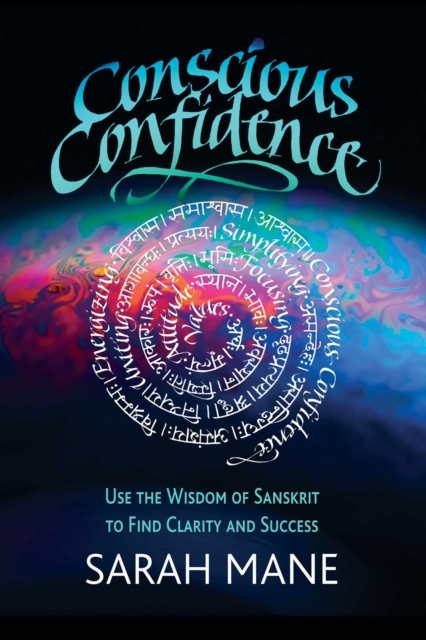
E-book
Price
6.99 £ * Old Price 27.99 £
E-book
0
0
Price
6.99 £ * Old Price 27.99 £
A confidence-boosting program based on the spiritual insights of Sanskrit, the language of enlightenment Draws on traditional stories from East and West and scholarly works to reveal the wisdom behind Sanskrit words and how to experience them to transform our lives and build confidence, certainty, clarity, and success Explains the fourfold energy of the Conscious Confidence program: Focusing, Uniting, Simplifying, and Energizing Offers practical exercises for discovering our inner certainty and overcoming fear, anxiety, and insecurity Called the language of enlightenment, Sanskrit is truly unique among all the languages of the world.
Read more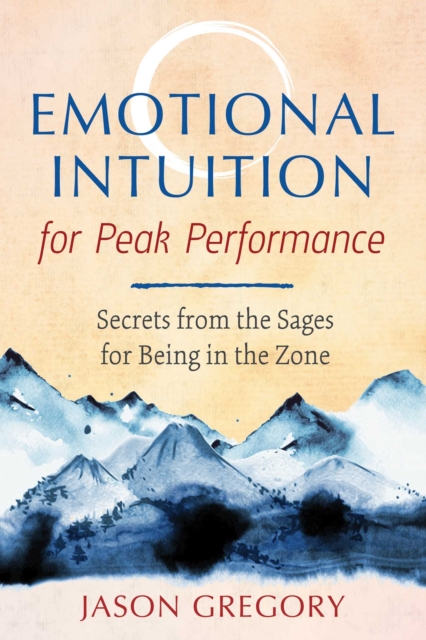
E-book
Price
6.99 £ * Old Price 27.99 £
E-book
0
0
Price
6.99 £ * Old Price 27.99 £
Reveals a structured mind-body system for cultivating effortless action and intelligent spontaneity for peak performance Details 4 fundamental habits and routines that are essential for developing peak performance and explains how to incorporate them into daily life Explains the cognitive science behind the development of expert skills and how the teachings of ancient Eastern sages align with these scientific findings Offers practices for cultivating physical and mental intelligence, fasting the mind, and harnessing creativity to achieve your desires Integrating the wisdom of the ancient sages with modern science, Jason Gregory explains how world-class artists and athletes reach peak performance--and how you, too, can harness this lifestyle technology to make your actions effortless, enjoy intelligent spontaneity, and reach optimal performance at a peak level.
Read more
E-book
Price
10.99 £ * Old Price 43.99 £
E-book
0
0
Price
10.99 £ * Old Price 43.99 £
Explains how to use your Taoist astrology birth chart as a personal nutritional guide for health, longevity, and organ energy balance Explores how to help balance your birth chi through your eating habits as well as explaining how foods address your five-element energetic profile Provides detailed food lists based on ancient Taoist wisdom that reveal their effect on the Yin, Yang, and five-element energies Shows how your five-element energies outline your life and influence success in relationships and at work We are each born with a unique combination of heavenly and earthly energies defined by the five elements and dictated by the universe at the moment you take your first breath.
Read more
E-book
Price
6.99 £ * Old Price 27.99 £
E-book
0
0
Price
6.99 £ * Old Price 27.99 £
A guide for achieving an enlightened mind through the art of non-doing Details meditation practices, focused on stillness of the mind, along with Patanjalis yoga methods to maintain a consciousness referred to as being in the zone Builds on Taoist, Confucian, and Hindu principles along with scientific findings to support wu-wei--the art of non-doing, non-forcing--as a way of life Explains how wu-wei practitioners cultivate intelligent spontaneity and effortless action to allow the natural harmony of the cosmos to prevail The practice of non-doing, non-forcing is an essential aspect of Taoism known as wu-wei.
Read more
E-book
Price
13.99 £ * Old Price 55.99 £
E-book
0
0
Price
13.99 £ * Old Price 55.99 £
A vivid journey back to the time of Krishna, his holy city, and the Mahabharata War Recounts ecstatic celebrations, Krishnas love for his wives and sons, and events surrounding the Mahabharata War Offers potent spiritual lessons from Krishnas teachings and stresses Krishnas ability to contain all opposites and stand above duality Provides a historical timeline and real dates for the Mahabharata War and the sinking of Krishnas city beneath the sea Located on the west coast of India in the state of Gujarat, the city of Dwaraka is considered one of the seven holy cities of India.
Read more
E-book
Price
14.99 £ * Old Price 59.99 £
E-book
0
0
Price
14.99 £ * Old Price 59.99 £
A comprehensive guide to the core practices of the Universal Healing Tao System and the advanced esoteric practices of Inner Alchemy Explains each of the nine levels of Inner Alchemy and their more than 240 formulas Explores the Four Healing Arts for transformation of the emotional body, physical body, energy body, and spiritual body Provides simplified versions of core Universal Healing Tao practices to more easily integrate the system into your daily life Shows how these exercises were designed to increase longevity and ensure the survival of consciousness beyond death Explaining the evolution and core of the Universal Healing Tao system, Master Mantak Chia and William U.
Read more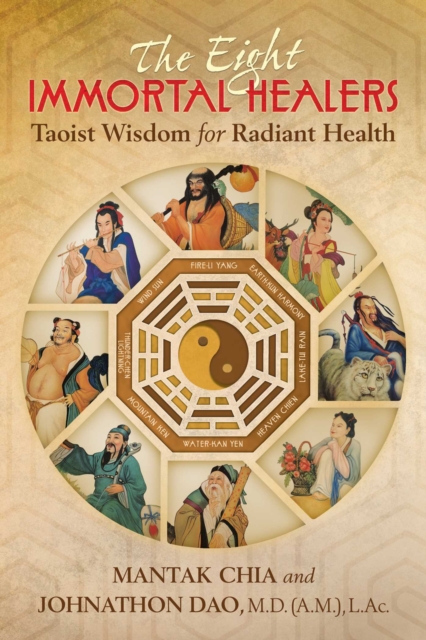
E-book
Price
13.99 £ * Old Price 55.99 £
E-book
0
0
Price
13.99 £ * Old Price 55.99 £
A detailed guide to restoring the eight foundational areas of health Explains how each of legendary Taoist masters known as the Eight Immortals has a specific area of health as the focus of his or her teachings Offers practices, techniques and guidelines for each of the Eight Immortal Healer teachings, including the important roles of oxygen and water in the body, nutrition, detoxification, exercise, energy work, emotional pollution, and spiritual hygieneThe Eight Immortals are a group of legendary ancient Taoist masters, each associated with a specific area of health or a powerful healing technique.
Read more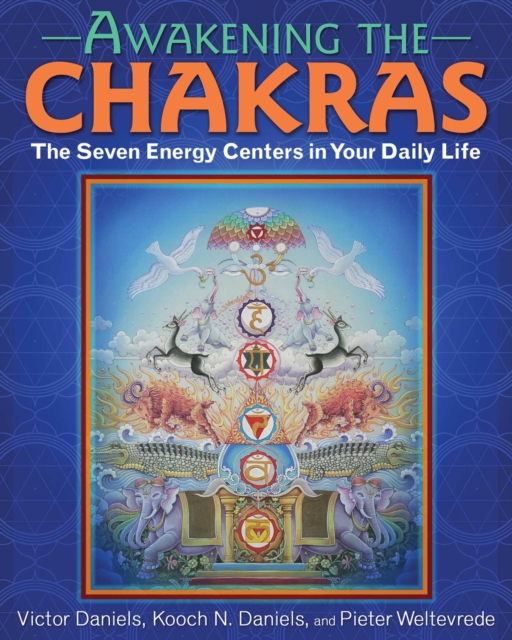
E-book
Price
8.99 £ * Old Price 35.99 £
E-book
0
0
Price
8.99 £ * Old Price 35.99 £
An in-depth guide to understanding and balancing the chakras Provides meditations, mantras, and other methods to work with each chakra Details each chakras positive and negative qualities, their gifts and challenges, and how they interact with each other Examines the psychological causes of blocked energy in the chakras Shares chakra wisdom and profound spiritual insights from Sri Harish Johari, Guruji Pilot Baba, Mataji Narmada Puri, Sri Aurobindo, and other spiritual leaders By understanding the chakras, you can better understand the ways you interact with the world around you and the energetic roots of your inner being.
Read more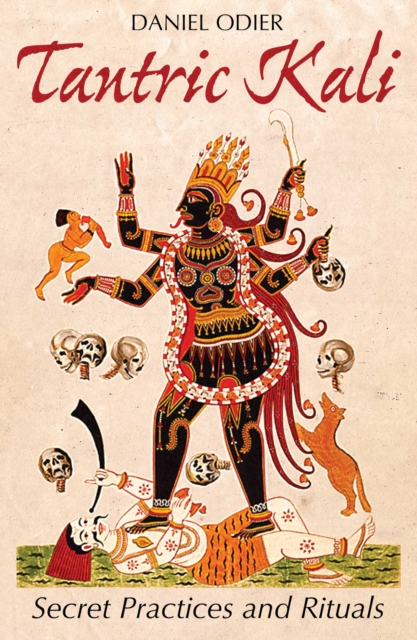
E-book
Price
6.99 £ * Old Price 27.99 £
E-book
0
0
Price
6.99 £ * Old Price 27.99 £
The mythology, rituals, meditations, and practices used in Tantric worship of the goddess Kali in the tradition of Kashmiri Shaivism Reveals the practices of Vamachara, known as the Left-hand Path but more accurately translated as the Path of Shakti Includes a Kali ritual from the Nirrutara Tantra, translated here for the first time Presents devotional chants, meditations, and mudras specific to Tantric worship of Kali According to traditions going back to pre-Vedic times, Kali sprang from the third eye of the Goddess Durga as a destructive and terrifying manifestation of feminine power sent to lay waste to the forces of evil.
Read more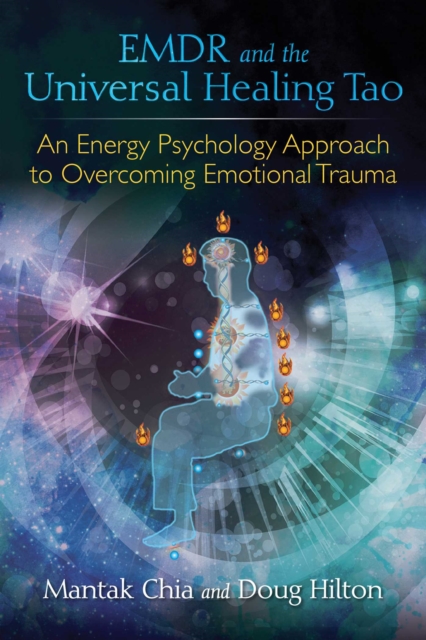
E-book
Price
8.99 £ * Old Price 35.99 £
E-book
0
0
Price
8.99 £ * Old Price 35.99 £
Exercises to deactivate emotional triggers, transform negative emotions into positive ones, and heal from PTSD, depression, anxiety, and addiction Provides illustrated step-by-step instructions on how to combine the eye movements of EMDR therapy with the energetic practices of the Universal Healing Tao Reveals how negative emotions are stored in the organs, where they also have effects on physical, mental, and spiritual health Explains how to release stored negative emotions, transform them into positive energy, and harmonize the energies of your organs Through the energy psychology practices from the 5000-year-old Taoist Chi Kung system, you can recycle negative emotional states into positive energy for your spiritual, emotional, and physical benefit.
Read more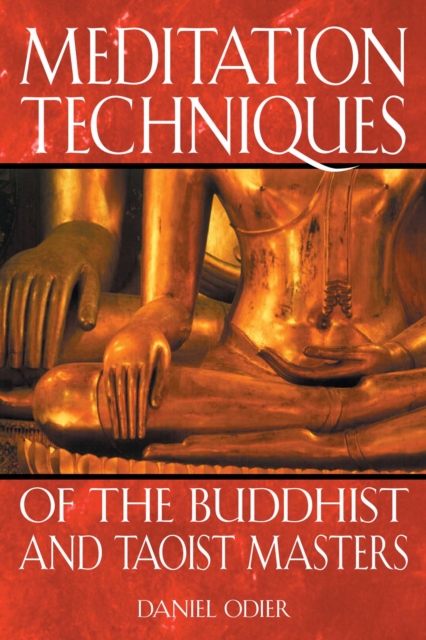
E-book
Price
7.99 £ * Old Price 31.99 £
E-book
0
0
Price
7.99 £ * Old Price 31.99 £
A guide to the mental disciplines and visualizations that Masters have used for ages in their quest for illumination.
Read more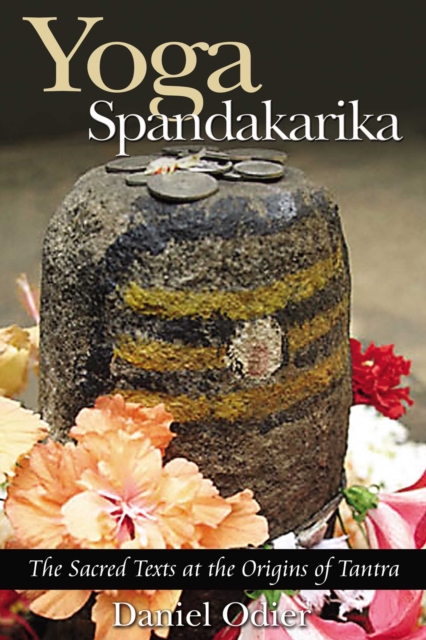
E-book
Price
7.99 £ * Old Price 31.99 £
E-book
0
0
Price
7.99 £ * Old Price 31.99 £
Translation and commentary of one of the most important texts of the Kashmirian Shivaism tradition of Tantra Author was a student of the late Kalu Rinpoche Explores the transmission of Mahamudra, the Great Cosmic Gesture Includes the Vijnanabharava Tantra, which contains the totality of the oldest source text on Yoga The Spandakarika, the "e;Tantric Song of the Divine Pulsation,"e; is said to have been transmitted directly to the sage Vasugupta from the hands of Shiva on Mount Kailas.
Read more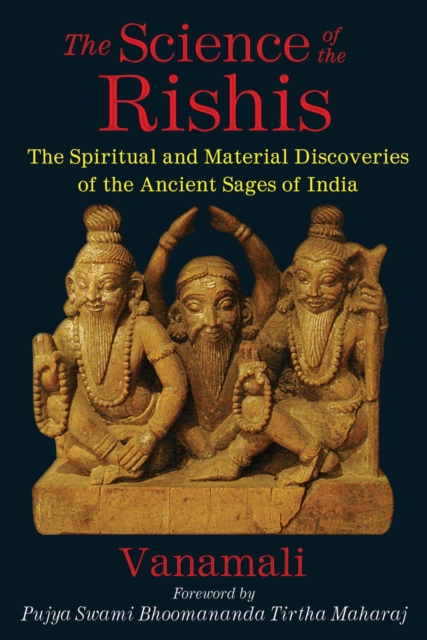
E-book
Price
8.99 £ * Old Price 35.99 £
E-book
0
0
Price
8.99 £ * Old Price 35.99 £
A complete introduction to Sanatana Dharma, the spiritual science of the Hindu sages Examines how many core concepts of Hinduism, including Brahman, Atman, bhakti, karma, and reincarnation, relate to modern science Explores the scientific discoveries of the rishis, ancient Vedic sages, and how they have only recently been rediscovered by Western scientists Reveals the concepts of quantum physics hidden within the Vedas, the Bhagavad Gita, the Upanishads, and the Puranas Called the scientists of Hinduism, the rishis of ancient India were the scribes of the Vedas.
Read more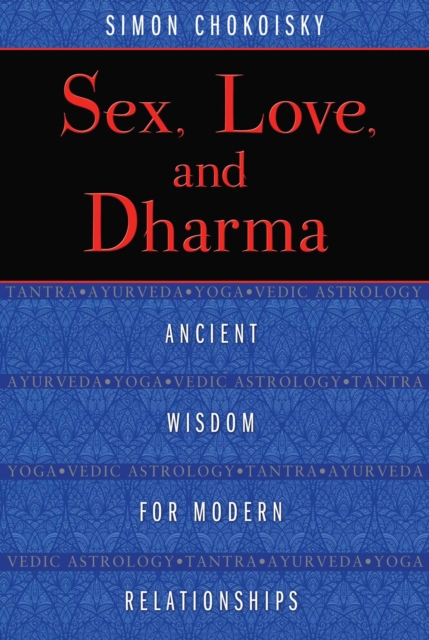
E-book
Price
7.99 £ * Old Price 31.99 £
E-book
0
0
Price
7.99 £ * Old Price 31.99 £
Discover your dharma type and prepare your body, mind, and spirit to attract and build a lifelong union with your soul mate Explores how the dharma types align in relationships, giving quick and simple insights into which dharma pairings work and which ones need work Details methods for attracting a mate as well as practical techniques for improving your sex life, including the best time to have sex during the day Provides self-tests to determine your dharma type and outlines unique ayurvedic diet, exercise, detox, and lifestyle tips for better health and sex appeal The people of ancient India understood that most humans are incomplete without an intimate partner, a soul mate to share lifes journey.
Read more
E-book
Price
6.99 £ * Old Price 27.99 £
E-book
0
0
Price
6.99 £ * Old Price 27.99 £
A practical guide to simple daily techniques for rapid spiritual progress Explores 11 time-tested methods for spiritual advancement and how you only need to include 7 each day for spiritual growth and personal enlightenment Includes wisdom from spiritual masters from nearly every religion, including Christianity, Buddhism, Hinduism, and more Offers routines, tips, and tricks to keep you on track, mantras for success and sacred connection, and exercises to apply these spiritual lessons in your everyday life Enlightenment means becoming a light unto yourself.
Read more
E-book
Price
8.99 £ * Old Price 35.99 £
E-book
0
0
Price
8.99 £ * Old Price 35.99 £
The traditional understanding of Shiva told through stories and teachings from the Shiva Mahapurana Explains Shivas contradictory forms, such as destroyer or benefactor, and how his form depends on the needs of the devotee Reveals how Shivas teachings allow one to see through the illusions at the root of all grief and alienation in human life Explores Shivas relationships with Durga, Shakti, Sati, and Parvati and with his sons Ganesha and Kartikeya Shiva, the most ancient and complex deity of the Hindu pantheon, has been portrayed in many contrasting lights: destroyer and benefactor, ascetic and householder, wild demon slayer and calm yogi atop Mount Kailash.
Read more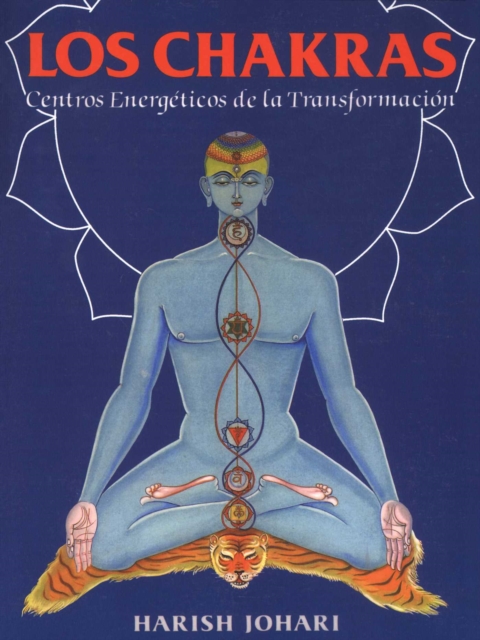
E-book
Price
7.99 £ * Old Price 31.99 £
E-book
0
0
Price
7.99 £ * Old Price 31.99 £
En la ciencia antigua del tantra se considera al cuerpo como el instrumento más perfecto para la expresión de la conciencia.
Read more
E-book
Price
6.99 £ * Old Price 27.99 £
E-book
0
0
Price
6.99 £ * Old Price 27.99 £
Modern scientists are just now beginning to understand what yogis have known for centuries--that the life force animating our physical bodies is regulated by breath, and that the breath energy is controlled by the mind.
Read more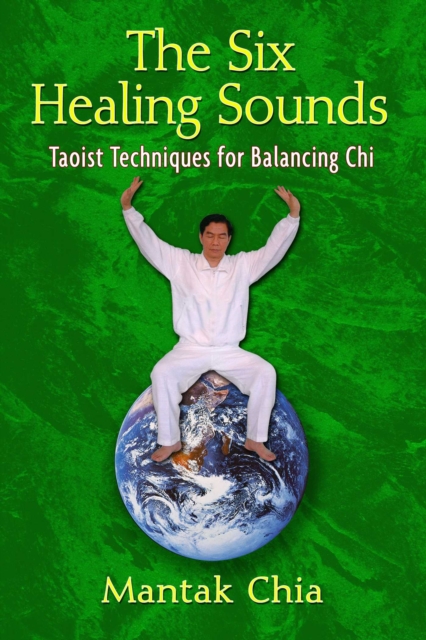
E-book
Price
8.99 £ * Old Price 35.99 £
E-book
0
0
Price
8.99 £ * Old Price 35.99 £
The Six Healing Sounds that keep the vital organs in optimal condition Presents vocalizations and accompanying postures that dissolve the tensions at the root of unhealthy chi flow and organ malfunction Shows how to release excess heat trapped around the organs and redistribute it to cooler regions of the body to bring balance, health, and calmness to the entire system Thousands of years ago Taoist masters discovered that a healthy organ vibrates at a particular frequency.
Read more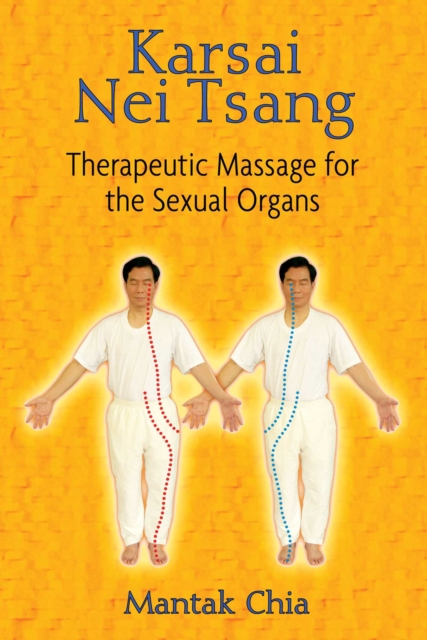
E-book
Price
8.99 £ * Old Price 35.99 £
E-book
0
0
Price
8.99 £ * Old Price 35.99 £
An illustrated guide to releasing emotional and physical blockages in the pelvic area through massage Presents step-by-step instructions for sexual organ massages for women and men Explains techniques to release knots, unravel nerve and lymphatic tangles, dissolve toxins and sediments, and increase blood flow Effective for impotency, frequent and difficult urination, painful menstruation, ovarian cysts, menopause symptoms, painful intercourse, and low libido as well as back pain, sciatica, and hormone imbalance Our sexual organs play a major role in our physical and emotional health.
Read more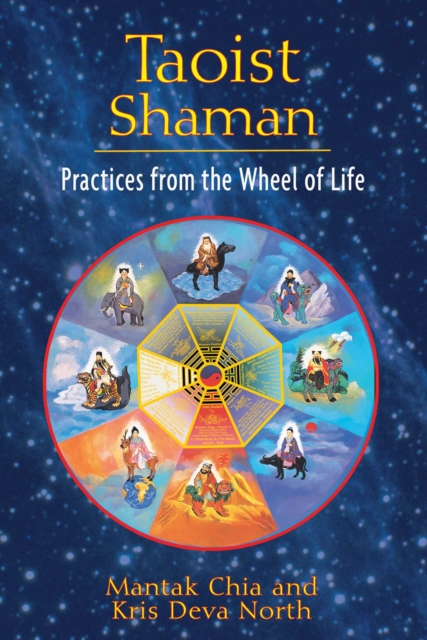
E-book
Price
8.99 £ * Old Price 35.99 £
E-book
0
0
Price
8.99 £ * Old Price 35.99 £
The shamanic roots of Taoist practice Explains the principles of the Taoist Medicine Wheel, including the Five Elements, the animals of the Chinese zodiac, and the trigrams of the I Ching Includes exercises from the Wheel of Love to access the Tao of Ecstasy Contains illustrated teaching stories about the Eight Immortals Thousands of years ago the immortals known as the Shining Ones shipwrecked on the Chinese coast.
Read more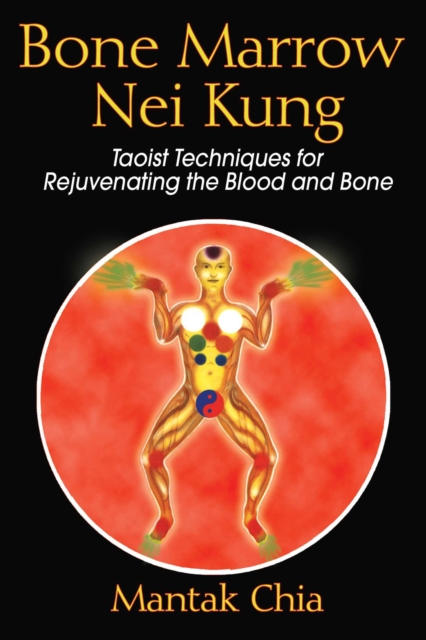
E-book
Price
8.99 £ * Old Price 35.99 £
E-book
0
0
Price
8.99 £ * Old Price 35.99 £
A guide to nourishing the body through bone marrow rejuvenation exercises Presents exercises to regrow bone marrow, revive the internal organs, and prevent osteoporosis Explains the use of bone breathing and bone compression, hitting to detoxify the body, and sexual energy massage and chi weight lifting to enhance the life force within Most Westerners believe that a daily physical exercise program helps slow the aging process.
Read more
E-book
Price
16.99 £ * Old Price 67.99 £
E-book
0
0
Price
16.99 £ * Old Price 67.99 £
A guide to the advanced practice of Inner Alchemy, which brings the physical body into balance with the energy body Presents the second level of Inner Alchemy practices that use the eight forces of the pakua (bagwa) to collect, gather, and condense chi in the body Explains how to balance negative emotional energy with positive energy to detoxify, nourish, and integrate the physical and the energy body with the forces of nature Shows how to collect and channel the greater energies of the stars and planets to create unity between what is above and below Cosmic Fusion is an advanced level of Inner Alchemy that teaches how to bring the physical body into balance with the energy body--a necessary prerequisite for the formation of the universal body, the pearl of compassion that is one with Original Creation and the Universal Tao.
Read more
E-book
Price
6.99 £ * Old Price 27.99 £
E-book
0
0
Price
6.99 £ * Old Price 27.99 £
An introduction to the ancient Taoist exercise system of Tao Yin Includes 45 fully illustrated exercises that promote flexibility, strength, and balance in ones physical, mental, and spiritual energy Addresses the health needs of the musculoskeletal system and the unique physical stresses of a modern urban lifestyleIn the Western world, exercise focuses mainly on physical fitness and developing muscular strength.
Read more
E-book
Price
7.99 £ * Old Price 31.99 £
E-book
0
0
Price
7.99 £ * Old Price 31.99 £
Advanced Inner Alchemy exercises that promote the free flow of energy throughout the body in preparation for the Practice of the Immortal Tao Explains how to open the Great Bridge Channel and the Great Regulator Channel Includes exercises to strengthen and wrap the spinal cord with energy Reveals how to create a thicker aura to protect the body and receive the higher frequencies of the Universal ForceThe Fusion of the Eight Psychic Channels practice builds upon the Fusion of the Five Elements and Cosmic Fusion practices and is the final step in preparation for the Practice of the Immortal Tao.
Read more
E-book
Price
6.99 £ * Old Price 27.99 £
E-book
0
0
Price
6.99 £ * Old Price 27.99 £
A guide to the practice of Inner Alchemy, which allows you to control the energies of your inner universe to better connect with energies of the outer universe Teaches the essential first-level meditations in Taoist practice, also known as Fusion of the Five Forces, for self-healing and emotional and spiritual development Shows step-by-step how to remove negative emotions from the organs in which they are lodged by neutralizing and transforming the negativity back into positive energy Includes basic and advanced-level meditations Fusion of the Five Elements is the necessary first step in the Taoist practice of Inner Alchemy, in which one learns to control the generation and flow of emotional, mental, and physical energies within the body.
Read more
E-book
Price
5.99 £ * Old Price 23.99 £
E-book
0
0
Price
5.99 £ * Old Price 23.99 £
A guide to the foundational practice of smiling to the organs to promote deep relaxation and internal health Presents exercises that dissolve the physical and mental tensions that can cause energy blockages and unhealthy chi flow Shows how to recognize illness at its inception on the organ level and how to balance the emotions to heal it The Inner Smile is a practice that focuses gratitude and joy on the internal organs to resolve the physical and mental tensions that can lead to illness.
Read more
E-book
Price
8.99 £ * Old Price 35.99 £
E-book
0
0
Price
8.99 £ * Old Price 35.99 £
Explores the deep, internal work necessary for the effective practice of tai chi Reveals the Taoist principles that gave birth to the Yang-style tai chi forms Shows how tai chi can circulate powerful healing energies through the bodyTaoist adepts developed tai chi as both a martial art and a way to cultivate their physical body, energy body, and spirit body.
Read more
E-book
Price
10.99 £ * Old Price 43.99 £
E-book
0
0
Price
10.99 £ * Old Price 43.99 £
A fundamental Taoist practice for enhancing and utilizing chi Includes breathing and movement exercises to promote vitality and healing through the cultivation of chi in the tan tien and perineum areas Presents the foundational exercises that are essential for more advanced practices such as Iron Shirt Chi Kung and Cosmic HealingTan Tien Chi Kung is the art of cultivating and condensing chi in the lower abdomen--the tan tien--the fundamental power storehouse of the body.
Read more
E-book
Price
10.99 £ * Old Price 43.99 £
E-book
0
0
Price
10.99 £ * Old Price 43.99 £
A guide to the practice of the Lesser Kan and Li that gives birth to the soul body and the immortal spirit body Shows how to awaken higher consciousness through practices in total darkness that stimulate the release of DMT by the pineal gland Shows how to transform sexual energy into life-force energy to feed the soul body The Lesser Enlightenment of Kan and Li practice combines the compassion of the heart energies (yang/fire) with sexual energies originating in the kidneys (yin/water) to form and feed the soul or energy body.
Read more
E-book
Price
10.99 £ * Old Price 43.99 £
E-book
0
0
Price
10.99 £ * Old Price 43.99 £
Taoist meditation practices for increasing and maintaining mental awareness, memory, and clarity Details techniques to increase the level of chi energy in the brain Explains how to synchronize the left and right brain by activating the bodys energetic potentials Shows that by emptying the mind there is more energy to heal the body Wisdom Chi Kung teaches practitioners how to revitalize the brain: to repair function, increase memory, and expand capacity.
Read more
E-book
Price
15.99 £ * Old Price 63.99 £
E-book
0
0
Price
15.99 £ * Old Price 63.99 £
A guide to the seemingly effortless yet explosively powerful martial art techniques of Fa Jin Explains how to collect energy within and discharge it for self-defense as well as healing Explores how to counter the natural instinct to resist force with force and develop yielding softness through the 13 Original Movements of Tai Chi Illustrates routines for the partner practice of Push Hands (Tui Shou) Fa Jin, an advanced yang style of Tai Chi, complements the physical, mental, and spiritual conditioning available through solo Tai Chi practice and the internal martial arts of Taoism.
Read more
E-book
Price
16.99 £ * Old Price 67.99 £
E-book
0
0
Price
16.99 £ * Old Price 67.99 £
Advanced techniques for utilizing the universal healing connections revealed by Taoist astrology and astronomy Provides meditations and healing techniques based on Taoist astrology Allows readers to develop a personal practice based on an understanding of their planetary strengths and weaknesses Includes Taoist star practices for expanding personal awareness into a cosmic field of chi that will support others in their efforts to heal and grow spirituallyTaoist Astral Healing provides a step-by-step program for refining our ability to cultivate, circulate, and retain chi from the stars and planets.
Read more
E-book
Price
13.99 £ * Old Price 55.99 £
E-book
0
0
Price
13.99 £ * Old Price 55.99 £
Includes practices for cleansing the blood of toxins, relieving pain, using sexual energy for healing, and other tools for the treatment and prevention of disease Explains the unique healing potential of chi kung color therapy and how to harness universal and earthly elemental energies in healing By Mantak Chia, coauthor of The Multi-Orgasmic ManTaoists believe in an underlying unity that permeates the universe and intimately binds all things.
Read more
E-book
Price
7.99 £ * Old Price 31.99 £
E-book
0
0
Price
7.99 £ * Old Price 31.99 £
Reveals techniques for achieving spiritual immortality through an in-depth exploration of Lao-tzu's Tao Te Ching Includes practices and meditations for living in harmony with the Tao (universal essence) and Te (kind action) Reveals the integration of heavenly and human power in the mystic field within us Presents Tao Huang's English translation of the Tao Te Ching from the original Chinese Mawangdui text unearthed in 1973 For over 2,500 years the words of the Tao Te Ching, the primary scripture of Laoism and Taoism, have been regarded as among the greatest treasures of the world.
Read more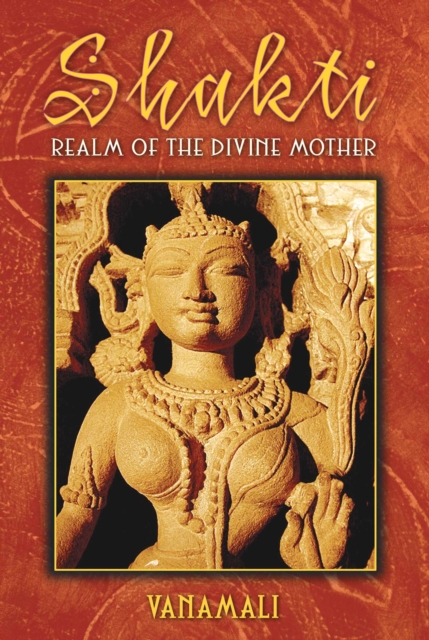
E-book
Price
7.99 £ * Old Price 31.99 £
E-book
0
0
Price
7.99 £ * Old Price 31.99 £
Presents the mystery of the Divine Mother in all her manifold aspects Explores more than 30 different goddess aspects of the Shakti force, both beneficial and malefic Includes Sanskrit hymns and classic verses by Sri Auribindo for each of the goddesses Shakti is synonymous with the Devi, the Divine Mother or divine power that manifests, sustains, and transforms the universe.
Read more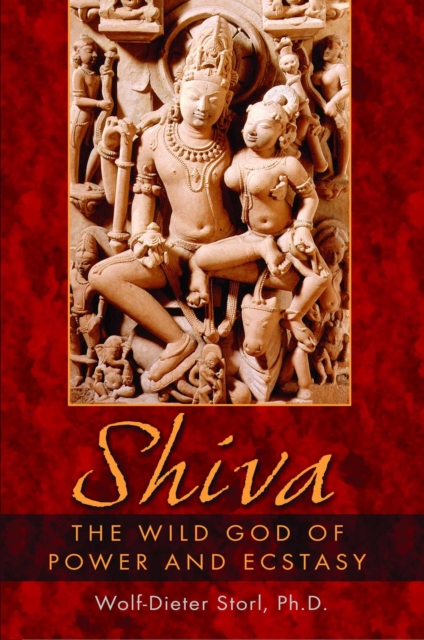
E-book
Price
11.99 £ * Old Price 47.99 £
E-book
0
0
Price
11.99 £ * Old Price 47.99 £
An extensive look at all the aspects of multi-natured Shiva Explores the shamanic roots of world spirituality as exemplified by this Hindu god who shares many of the attributes of the Norse Odin and the Celtic Cernunnos Looks at Shivas relation to contemporary culture, Tantra, and the dualistic religions of the WestTo his devotees Shiva is the entire universe and the core of all beings.
Read more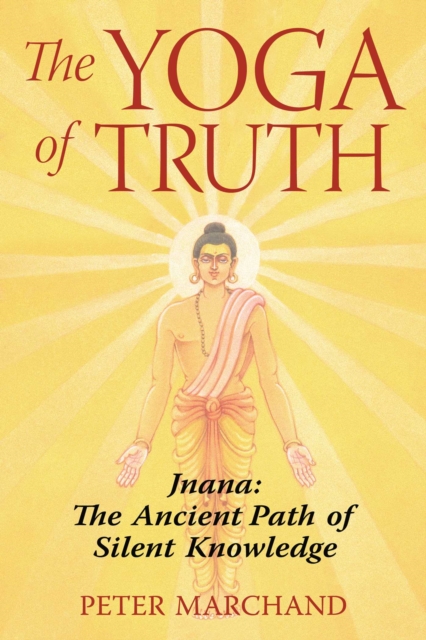
E-book
Price
8.99 £ * Old Price 35.99 £
E-book
0
0
Price
8.99 £ * Old Price 35.99 £
A guide to Jnana Yoga--the Way of Silent Knowledge--by direct contemplation of the Unchangeable Shows that everything in ones body, personality, thoughts, memories, and experiences has form and is changeable and, thus, is neither essential nor eternal Identifies the witnessing consciousness within--all that remains when the ephemeral is eliminated--as the real Self, the one and only unchanging eternal Being In The Yoga of Truth, Peter Marchand, through a series of deceptively simple introspective questions, leads the seeker into discarding everything--body, personality, thoughts, memories, experiences--that disguises the egos relentless masquerade as the Self.
Read more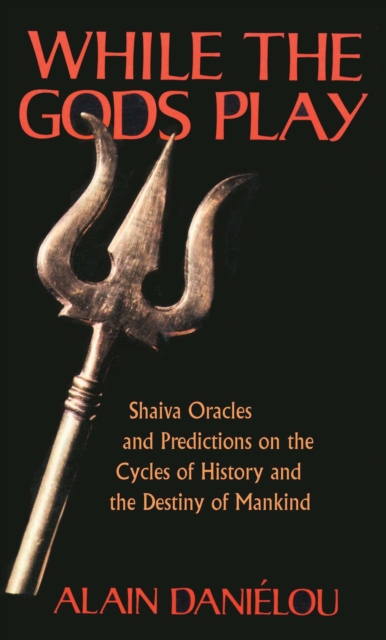
E-book
Price
10.99 £ * Old Price 43.99 £
E-book
0
0
Price
10.99 £ * Old Price 43.99 £
According to the early writings of the Shaiva tradition--still alive in India and dating back at least 6,000 years--the arbitrary ideologies and moralistic religions of modern society signal the last days of humanity heading toward destruction.
Read more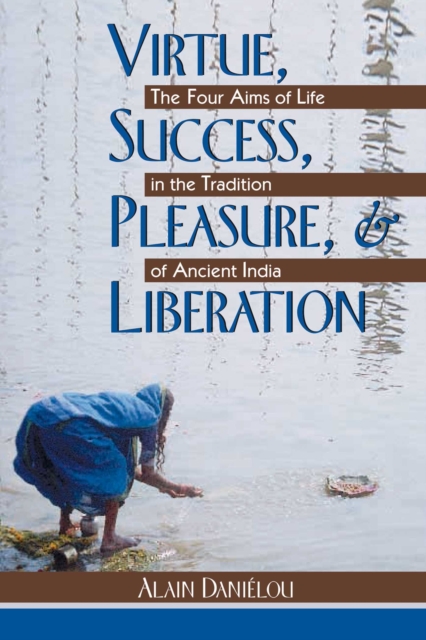
E-book
Price
6.99 £ * Old Price 27.99 £
E-book
0
0
Price
6.99 £ * Old Price 27.99 £
What is the Nature of the social order that unquestionably produced one of the greatest and longest lasting civilizations known to humankind?
Read more